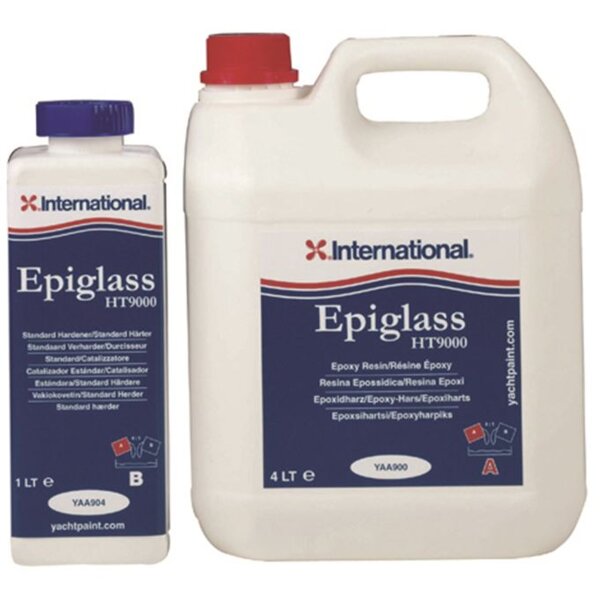
What is Epiglass HT9000 Epoxy Resin and why choose it?
Epiglass HT9000 Epoxy Resin is a versatile, solvent-free epoxy system designed for sheathing, laminating, filling, fairing and gluing on boats of all types. Developed from over thirty years of experience in Australia and New Zealand, this high-performance resin delivers the strength and durability associated with epoxy technology, while remaining easy to mix, apply and overcoat. The HT9000 Standard system is certified for use in constructions built under Lloyd’s Register survey, making it suitable for both professional yards and demanding DIY users.
Thanks to its low odour, 100% volume solids and low viscosity, Epiglass HT9000 Epoxy Resin provides a cleaner working environment, excellent impregnation of substrates and predictable curing. It adheres to most properly prepared substrates including GRP, wood and metal, and can be combined with dedicated hardeners and fillers to cover a wide range of marine construction and repair tasks.
Main features
- Multipurpose marine epoxy system – ideal for sheathing, laminating, filling, fairing and gluing on all types of boats.
- Solvent free and low odour – 0 g/L VOC as supplied, contributing to a cleaner and more comfortable working environment.
- High strength and durability – epoxy chemistry designed for long-term resistance in marine conditions.
- Low viscosity – promotes easy mixing and wet-out of reinforcements and substrates.
- Certified performance – Epiglass HT9000 Standard system approved for constructions built under Lloyd’s Register survey.
- Flexible application window – usable pot life from 20 to 50 minutes depending on temperature, with extended working time in thin films.
- Excellent substrate compatibility – adheres to prepared GRP, wood and metal; suitable for use with a wide range of compatible primers, undercoats and finishes.
- Professional and DIY friendly – designed for ease of use with simple 4:1 mix ratio by volume and optional Epiglass dispensing pumps.
Technical specifications
- Product type: Epoxy resin system (base + curing agent)
- Colour: YAA900 – Clear
- Finish: Gloss
- Specific gravity: 1.11
- Volume solids: 100%
- Mix ratio: 4:1 by volume; 4.75:1 by weight
- Curing agent (standard): YAA904 – Standard Curing Agent
- Typical shelf life: 2 years
- VOC (as supplied): 0 g/L
- Available unit sizes: 20 L base; 5 L curing agent; 3.8 L kit
Drying and pot life
- Pot life at 15°C: 50 minutes
- Pot life at 25°C: 30 minutes
- Pot life at 35°C: 20 minutes
- Thin film working time:
- 15°C – approximately 4 hours
- 25°C – approximately 2 hours
- 35°C – approximately 1 hour
Due to the wide range of possible film builds and cure conditions, specific overcoating intervals cannot be given. HT9000 resin and HT9000 glue/filler mixes can be overcoated with themselves while wet or tacky. Once hard to a fingernail, surfaces must be washed to remove any amine bloom and then sanded thoroughly before overcoating.
Application parameters
- Recommended application methods: Brush, roller (do not spray)
- Number of coats: Variable, depending on use
- Theoretical coverage: Varies with application method and use
- Suitable thinners/cleaner: YTA061 – Thinner No. 7
- Recommended temperature ranges:
- Product temperature: 10–35°C
- Ambient temperature: 10–35°C
- Substrate temperature: 10–35°C
Applications and use cases
Typical marine applications
- Sheathing and coating – build protective epoxy sheathing systems over wood or GRP, starting with a priming coat and followed by subsequent coats by brush or roller.
- Laminating – wet-out of glass reinforcement on properly prepared substrates thanks to the resin’s low viscosity and good penetration.
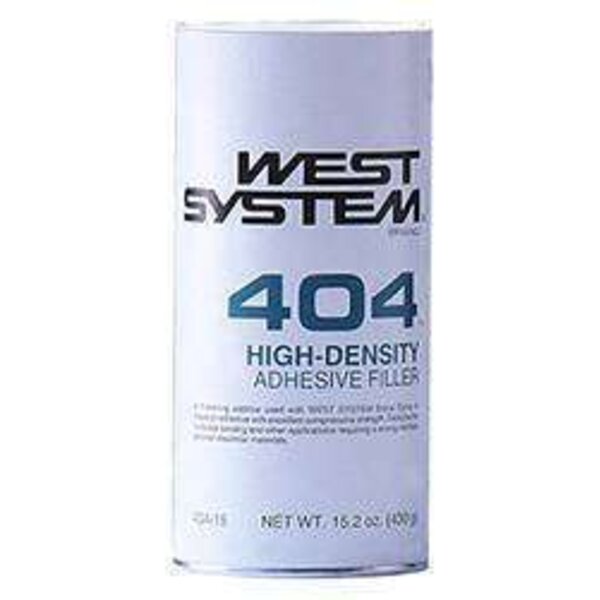
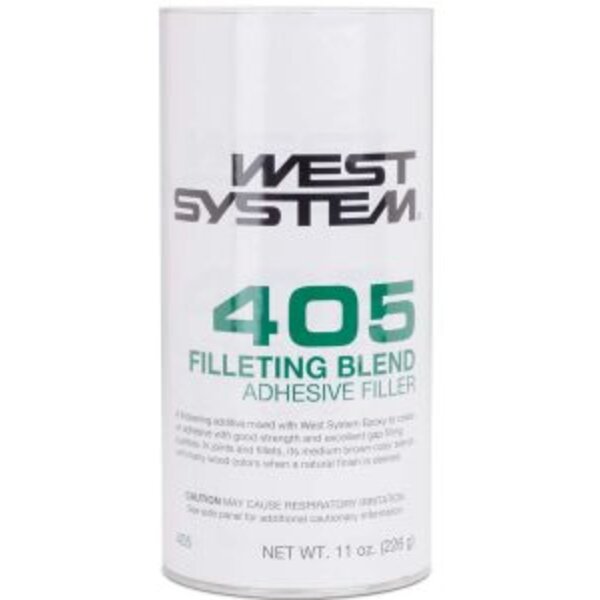
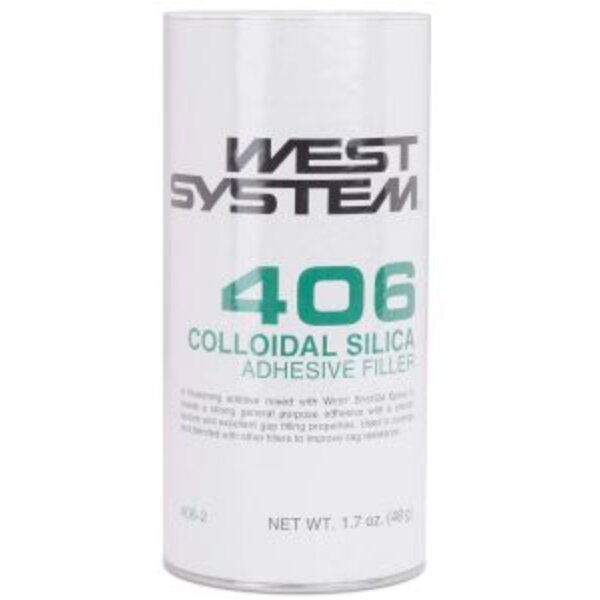
- Filling and fairing – combine with suitable additive powders and apply with a spreader or palette for fairing hulls and superstructures.
- Gluing and fillet bonding – use with a glue brush or spatula to bond timber components and create structural fillets where compatible.
- Wood sealing and sheathing – saturate dry timber with a 100% diluted resin mix as a first step to improve adhesion, then overcoat with unthinned layers once cured.
Substrate preparation
- GRP (fiberglass):
- Thoroughly abrade using 80–120 grit paper.
- Degrease with Thinner No. 7.
- Ensure the surface is completely dry before application.
- New laminates must be at least one month old and cleaned with Yacht Line Super Cleaner to remove mould release agents, silicones and grease.
- Wood:
- Moisture content should be below 12%.
- Abrade with 80–120 grit paper; for gluing, sand across the grain with 40–60 grit for good adhesion.
- Wipe down with Thinner No. 7.
- Do not use epoxy resin for structural work with oily timbers. For small repairs on oily timbers, abrade and degrease with acetone, allowing the solvent to evaporate.
- Metal:
- Remove all surface contaminants by abrading, grit blasting or grinding to bright metal.
- Wipe down with Thinner No. 7 and apply epoxy as soon as possible after preparation to prevent de-oxidisation.
- For aluminium, bronze and lead, improve adhesion by sanding the resin mix into the surface with wet-or-dry paper.
- Hard anodised aluminium alloy must be removed.
Mixing and application guidance
- Measure accurately by volume at a 4:1 ratio (base:curing agent). Epiglass Dispensing Pumps are calibrated for this mix ratio.
- Discard the first irregular pump strokes until a consistent flow is obtained.
- Add curing agent to base in a clean plastic or metal mixing pot and stir slowly for approximately 2 minutes.
- Mix only small amounts at a time to minimise heat build-up and extend pot life.
- Pour the mixed epoxy into a flat roller tray to increase working time.
- Do not use glass containers due to the risk of excessive heat build-up.
- If the resin starts to exotherm (rapid rise in temperature), move the container outdoors and avoid breathing fumes.
- Carefully blend in additive powders until the desired viscosity or consistency is reached.
- Apply to a surface pre-primed with a thin layer of resin mix. For sheathing and coating, follow with further coats by brush or roller.
- When using as a wood sealer, ensure diluted layers are fully cured before applying subsequent unthinned coats.
- A hot air gun or hair dryer can be used to warm the epoxy, shorten cure time and improve penetration into most wood types without adding solvent.
- Completed epoxy work must be protected from UV by compatible International primers, undercoats and finishes.
Compatibility limitations
- Will adhere to most thoroughly prepared substrates except thermoplastics such as PVC and polypropylene.
- Do not apply over conventional one-pack coatings.
- Do not use on GRP that is not fully cured.
- Not recommended for structural work with oily timbers.
FAQ – Epiglass HT9000 Epoxy Resin
-
Can I use Epiglass HT9000 Epoxy Resin indoors?
Yes, it can be used indoors. It is solvent free and low odour, but good ventilation and appropriate personal protective equipment are still required.
-
How do I know when I can overcoat the epoxy with paint or varnish?
Epoxy layers can be overcoated with themselves while wet or tacky. Once fully hard to a fingernail, wash the surface with fresh water to remove any amine blush, allow to dry, then sand well before applying compatible solvent-containing paints or varnishes.
-
Can I spray-apply Epiglass HT9000?
No. Recommended application methods are brush and roller only. Spraying is not advised.
-
Which thinner and cleaner should I use?
Use YTA061 Thinner No. 7 for both thinning where allowed and for cleaning tools and prepared substrates.
-
Is this epoxy suitable for oily woods like teak or iroko?
Woods rich in natural oils, such as teak and iroko, are not usually suited to epoxy overcoating. They are better protected with specialist varnishes such as Perfection Plus or Schooner.
-
What happens if I apply the product below 10°C?
Application below 10°C is not recommended. Low temperatures can significantly affect curing, adhesion and surface quality.
-
Can I use this resin on thermoplastics like PVC?
No. Epiglass HT9000 Standard does not adhere reliably to thermoplastics such as PVC and polypropylene.
-
How should I handle amine blush on the cured surface?
Wash the cured epoxy with fresh water using a suitable abrasive pad (for example, 3M Scotchbrite), then dry the surface with paper towels before sanding and recoating.
-
Is the product suitable for consumer use?
The safety data specify professional, industrial and consumer identified uses. However, it is restricted to professional users under certain regulations, so local legal requirements must be observed.
-
What should I do if the mixed epoxy overheats in the pot?
Move the container outdoors immediately, avoid breathing fumes and do not touch the hot mix. Prevent further use of that batch and allow it to cure safely.
Section 14 – Transport information
According to the safety data sheet, Epiglass HT9000 Part A (resin component) is classified for transport as follows:
- UN number/ID number: UN3082
- Proper shipping name: Environmentally hazardous substance, liquid, n.o.s. (reaction product: bisphenol-A-(epichlorhydrin); epoxy resin, Reaction mass of 2,2'-[methylenebis(4,1-phenyleneoxymethylene)]dioxirane and related components)
- Transport hazard class: 9
- Packing group: III
- Environmental hazards: Classified as hazardous to the aquatic environment (marine pollutant for IMDG).
- ADR/RID: UN3082, Class 9, Packing Group III; tunnel code (-).
- IMDG: UN3082, Class 9, Packing Group III; Emergency schedules F-A, S-F; marine pollutant.
- IATA: UN3082, Class 9, Packing Group III.
- Small packaging exemption: Not regulated as a dangerous good when transported in packagings of ≤5 L or ≤5 kg, provided general packaging provisions are met.
- Special precautions: Within user premises, always transport in closed, upright and secure containers. Ensure personnel know the procedures in case of accident or spillage.
Section 8 – Individual protection measures
When handling Epiglass HT9000 Epoxy Resin, appropriate personal protective equipment and hygiene practices are essential:
General hygiene measures
- Wash hands, forearms and face thoroughly after handling, before eating, smoking or using the lavatory, and at the end of the work period.
- Remove contaminated clothing and protective equipment before entering eating areas.
- Contaminated work clothing should not leave the workplace and must be washed before reuse.
- Ensure that eyewash stations and safety showers are close to the work area.
Eye and face protection
- Use chemical splash goggles or equivalent eye protection compliant with an approved standard whenever there is a risk of splashes, mists or vapours reaching the eyes.
Hand protection
- Wear chemical-resistant, impervious gloves in accordance with an approved standard.
- For prolonged or frequently repeated contact, gloves with protection class 6 (breakthrough time > 480 minutes to EN374) are recommended. Suitable materials include Viton or nitrile with thickness ≥ 0.38 mm.
- For brief contact, gloves with protection class 2 or higher (breakthrough time > 30 minutes to EN374) are recommended. Nitrile gloves with thickness ≥ 0.12 mm are suggested.
- Inspect gloves regularly and replace them if damaged or if any sign of degradation appears.
Skin and body protection
- Wear protective clothing covering body, arms and legs to avoid skin exposure.
- Use appropriate footwear and any additional protective garments according to the specific tasks and associated risks.
Respiratory protection
- If engineering controls cannot keep airborne concentrations below applicable limits, use a suitable respirator certified to the appropriate standard.
- Respirators must be used within a formal respiratory protection program to ensure correct selection, fit and training.
Engineering and environmental controls
- Provide local exhaust ventilation or other engineering controls if user operations generate vapour, mists, dust or fumes.
- Emissions from ventilation systems and process equipment should be checked to ensure compliance with environmental legislation; where necessary, fit scrubbers or filters.
*Contenido generado por IA