What is Interzinc 72 Part B Indivisible Kit and why choose it?
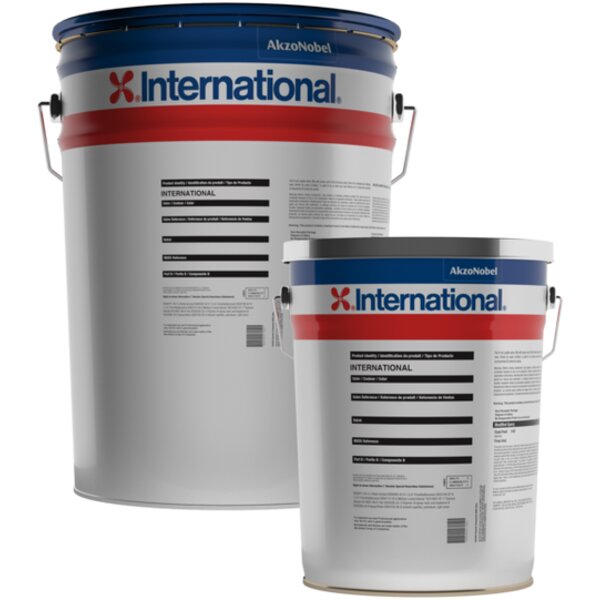
Interzinc 72 Part B Indivisible Kit is the curing agent component of Interzinc 72, a two-component, metallic zinc-rich epoxy primer. When mixed with Part A in the specified ratio, it forms a high-performance primer designed to provide excellent corrosion resistance either as a single coat or as part of a multi-layer coating system. It is intended for professional industrial and marine use on steel structures exposed to aggressive environments.
This Part B kit is supplied pre-packaged for use as an indivisible unit with the corresponding Part A, ensuring correct stoichiometry, consistent curing and predictable performance of the full Interzinc 72 system.
Main features
- Curing agent for zinc-rich epoxy primer: Dedicated Part B for Interzinc 72, enabling correct curing of the zinc-rich epoxy base.
- Designed for aggressive environments: For use in coating systems that protect steel in offshore structures, refineries, petrochemical and chemical plants, power stations, bridges and pulp and paper plants.
- Professional two-component system: For factory or site application as part of a high-performance anti-corrosion coating system.
- Controlled flammability and VOC profile: Classified as a flammable liquid (flash point 33°C) with solvent content controlled under VOC legislation.
- Clear, amine-like liquid: Colorless liquid with amine-like odor, optimised for mixing and application with Part A.
- Regulatory conformity: Safety data prepared in line with REACH/CLP and UK REACH requirements.
Technical specifications
Product identity
- Product name: Interzinc 72 Part B
- Product type: Curing agent (component of two-component epoxy zinc-rich primer)
- Use: Two-component coating for interior and exterior use (professional and industrial)
Physical and chemical properties (Part B)
- Physical state: Liquid
- Colour: Colorless
- Odour: Amine-like
- Boiling point (approx.): 119°C
- Flash point: 33°C (closed cup, Pensky–Martens)
- Auto-ignition temperature: Consultar ficha técnica del fabricante.
- Explosion limits (driving component): approx. 1.4% – 11.3% (butan-1-ol)
- Density: 0.894 g/cm³ (DIN EN ISO 2811-1)
- Viscosity (kinematic): approx. 12 mm²/s at room temperature; 11 mm²/s at 40°C (DIN EN ISO 3219)
- Solubility in water: Not soluble in cold water
Composition information (hazardous constituents in Part B)
- Hydrocarbons, C9, aromatics (<0.1% cumene): approx. ≥25 – ≤50%
- Fatty acids, C18-unsaturated, dimers, oligomeric reaction products with tall-oil fatty acids and triethylenetetramine: approx. ≥25 – ≤50%
- Butan-1-ol: approx. ≥10 – ≤15%
- Reaction mass of ethylbenzene and xylene: approx. ≥10 – ≤15%
Packaging and storage
- Typical pack size (system reference): 10 litre unit (Part B approx. 2 litre in 2.5 litre can when supplied in full Interzinc 72 packs)
- Shelf life: Minimum 18 months at 25°C for Part B (subject to re-inspection)
- Storage conditions: Store in original container, tightly closed, in a dry, cool, well-ventilated area away from heat, ignition sources and oxidising materials. Keep out of direct sunlight. Store locked up.
Applications and use cases
When combined with Interzinc 72 Part A at the specified mix ratio, Interzinc 72 Part B is used as part of a zinc-rich epoxy primer system for:
- Offshore structures: Jackets, platforms and other marine steel structures subject to salt spray and high humidity.
- Oil and gas facilities: Refineries, petrochemical and chemical plants where robust anti-corrosion protection is required.
- Power generation: Power stations and associated structural steel.
- Bridges: Steel bridges exposed to urban, marine or industrial atmospheres.
- Pulp and paper plants: Structural steel in chemically aggressive production environments.
Interzinc 72 is intended for factory or site application by professional applicators using airless spray, air spray, brush or roller, following the full technical instructions for surface preparation, mixing and overcoating intervals.
Section 8 – Personal protective measures
The following information is summarized from the safety data for Interzinc 72 Part B and applies to professional and industrial users. A site-specific risk assessment must always be carried out.
Engineering controls and hygiene
- Use only with adequate ventilation, preferably local exhaust ventilation or process enclosures to keep airborne concentrations below occupational exposure limits and below the lower explosion limit.
- Use explosion-proof ventilation and electrical equipment.
- Wash hands, forearms and face thoroughly after handling, before eating, drinking or smoking, and at the end of the work shift.
- Contaminated work clothing should not leave the workplace and must be washed before reuse.
- Ensure that eye-wash stations and safety showers are available close to the work area.
Eye and face protection
- Wear chemical splash goggles and/or face shield compliant with an approved standard when there is a risk of splashes, mists or vapours.
- If inhalation hazards require a full-face respirator, this may also provide eye protection when correctly selected and fitted.
Hand protection
- Wear chemical-resistant, impervious gloves complying with EN 374 or equivalent.
- For prolonged or frequently repeated contact, gloves of protection class 6 (breakthrough time > 480 minutes) are recommended. Recommended materials: Viton or nitrile, thickness ≥ 0.38 mm.
- For brief contact, gloves of protection class 2 or higher (breakthrough time > 30 minutes) are recommended. Recommended material: nitrile, thickness ≥ 0.12 mm.
- Replace gloves regularly and immediately if damaged. Actual breakthrough times depend on the glove manufacturer and specific operating conditions.
Skin and body protection
- Wear suitable protective clothing selected according to the task and associated risks, approved by a safety specialist.
- When there is a risk of ignition from static electricity, use anti-static protective clothing including overalls, boots and gloves (e.g. conforming to EN 1149).
- Wear appropriate safety footwear and consider additional skin protection measures depending on exposure.
Respiratory protection
- Select a respirator that complies with relevant standards based on the assessed hazard and exposure level.
- Typically, a half-mask respirator conforming to EN 140 with type A/P2 filter (or better) is recommended where ventilation is inadequate.
- Dry sanding, flame cutting and welding of the cured coating can generate hazardous dust and fumes; use wet methods where possible and, if exposure cannot be controlled by extraction, wear suitable respiratory protection.
Environmental exposure controls
- Check emissions from ventilation and process equipment to ensure compliance with environmental regulations.
- Where necessary, fit fume scrubbers, filters or modify process equipment to minimize emissions.
Section 14 – Transport information
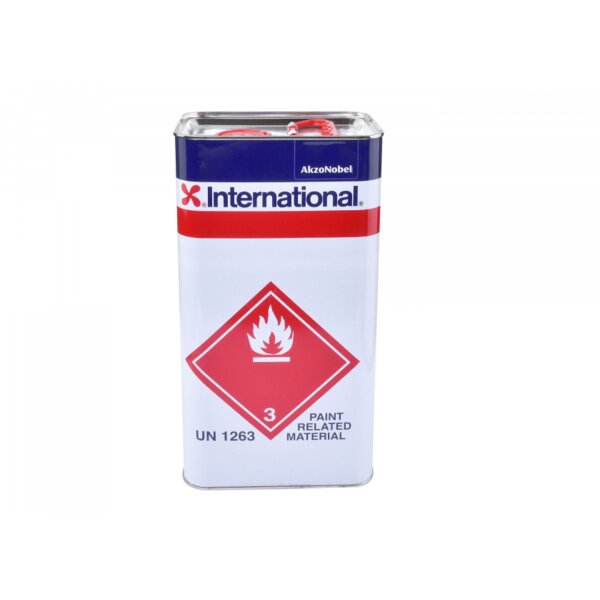
- UN number: UN1263
- UN proper shipping name: PAINT
- Transport hazard class: 3 (flammable liquid)
- Packing group: III
- Environmentally hazardous / Marine pollutant: Yes (contains fatty acids C18-unsaturated dimers, oligomeric reaction products with tall-oil fatty acids and triethylenetetramine, and solvent naphtha (petroleum), light arom.)
- ADR/RID: Class 3, Packing Group III; tunnel code (D/E). Environmentally hazardous substance mark not required for packs ≤5 L or ≤5 kg.
- IMDG: Class 3, Packing Group III; marine pollutant. Emergency schedules F-E, S-E. Marine pollutant mark not required for packs ≤5 L or ≤5 kg.
- IATA: Class 3, Packing Group III; environmentally hazardous substance mark may appear if required by other transport regulations.
- Special precautions for user: Within user’s premises, transport only in closed, upright, secure containers. Personnel must know what to do in case of accident or spillage.
FAQ – Interzinc 72 Part B Indivisible Kit
1. What is Interzinc 72 Part B used for?
Interzinc 72 Part B is the curing agent for the two-component Interzinc 72 epoxy zinc-rich primer. It must be mixed with Part A in the specified ratio before application.
2. Can I use Part B on its own as a coating?
No. Part B is not a standalone coating. It is designed solely to react with Interzinc 72 Part A to form the final zinc-rich epoxy primer.
3. In what environments is the full Interzinc 72 system typically used?
When correctly mixed and applied, Interzinc 72 is used to protect steel in aggressive atmospheres such as offshore structures, refineries, petrochemical and chemical plants, power stations, bridges and pulp and paper plants.
4. How flammable is Interzinc 72 Part B?
Part B is classified as a flammable liquid of Category 3 with a flash point of 33°C. Keep away from heat, hot surfaces, sparks, open flames and other ignition sources.
5. What personal protection is required when handling Part B?
Use chemical-resistant gloves, safety goggles or face shield, suitable protective clothing and, where ventilation is insufficient, an appropriate respirator (e.g. EN 140 with A/P2 filter). Follow the detailed recommendations in the safety data sheet.
6. How should I store Interzinc 72 Part B?
Store in the original, tightly closed container in a dry, cool, well-ventilated area away from direct sunlight, heat, ignition sources and oxidising agents. Keep locked up and out of reach of unauthorised personnel.
7. What is the typical shelf life?
Part B has a minimum shelf life of 18 months at 25°C, subject to re-inspection thereafter, when stored correctly.
8. Is Interzinc 72 Part B hazardous to the environment?
Yes. It is classified as toxic to aquatic life with long lasting effects. Avoid any release to drains or watercourses and manage spills and waste via authorised contractors.
9. How should waste and empty containers be disposed of?
Waste product and contaminated packaging should be disposed of through licensed waste contractors in accordance with local and national regulations. The European Waste Catalogue code for waste paint and varnish containing organic solvents or other hazardous substances is EWC 08 01 11*.
10. Who is allowed to use this product?
The product is intended for professional and industrial applicators only, following the guidance in the safety data sheet and applicable health, safety and environmental regulations.
*Contenido generado por IA