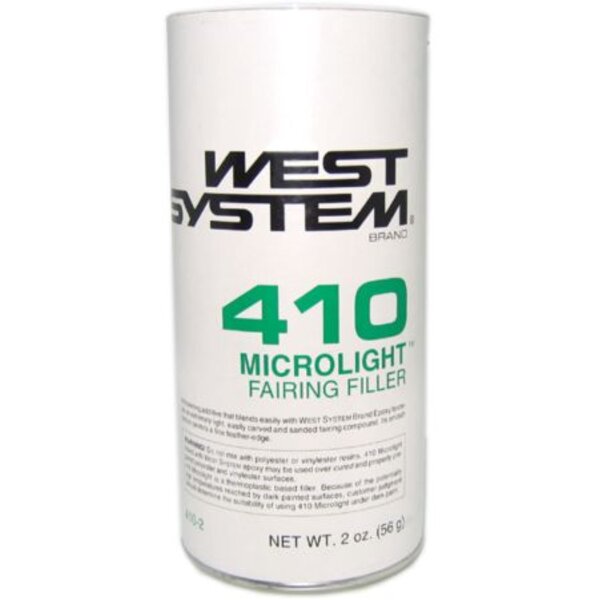
West System 410 Microlight is a low-density fairing filler powder designed to be mixed with epoxy to create a light, easily sanded fairing compound, especially for large surface areas. It stands out for its very smooth, creamy texture and being easier to sand than most other epoxy-based fairing fillers, making surface shaping and finishing more efficient. Data such as exact sanding performance or compatibility should be verified in the official technical datasheet from West System.
*Contenido generado por IA
| Presentation: | Container |
| Colour: | |
| Mixing ratio: | 7-16% en peso sobre la mezcla del epoxy |
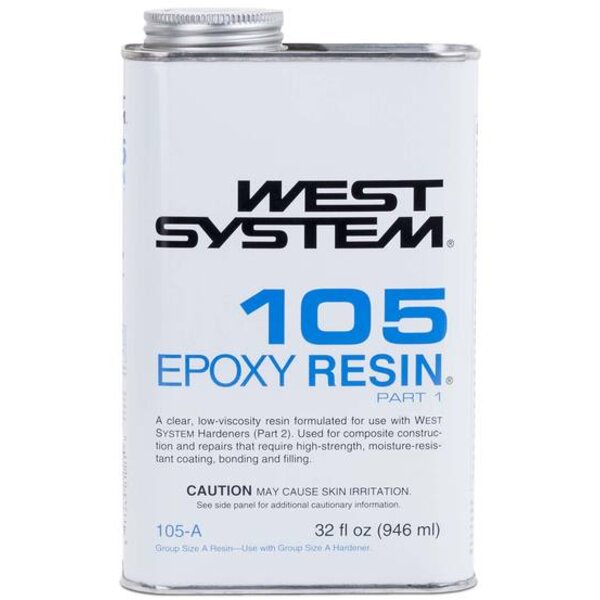
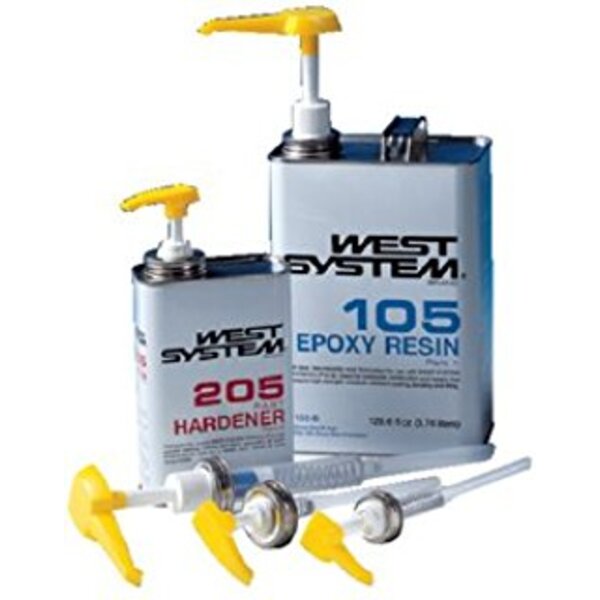
| Base: | 105 EPOXY RESIN |
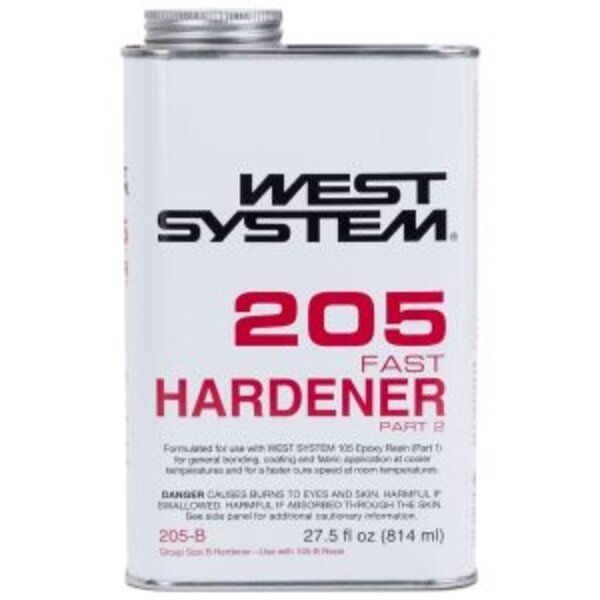
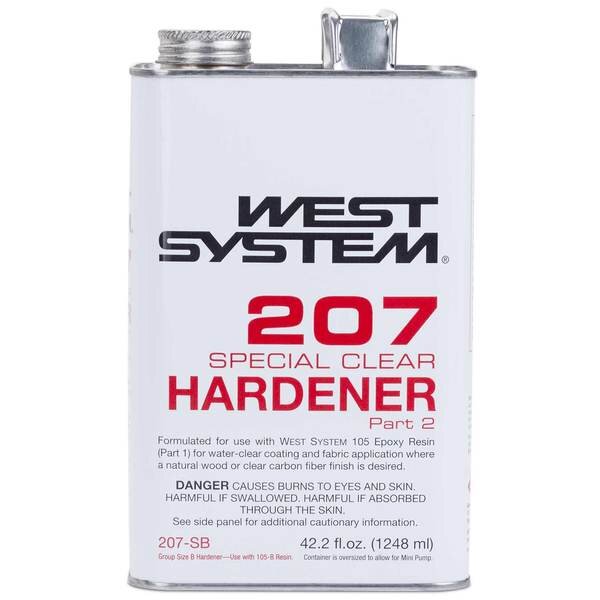
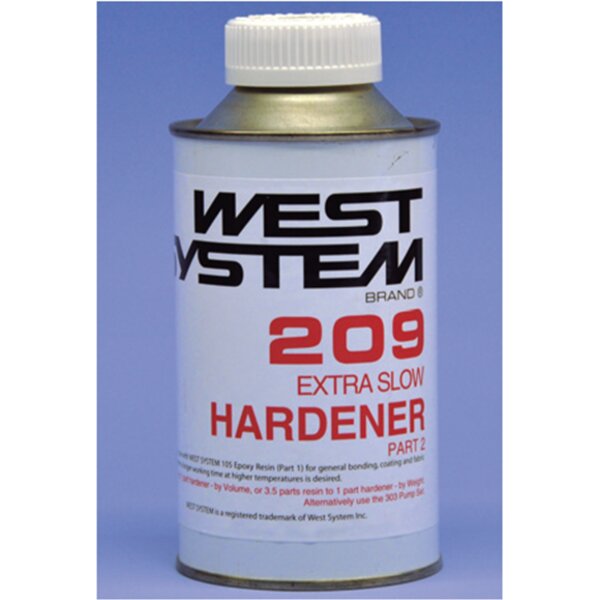
| Catalyst: | 205 FAST CATALYST 206 STANDARD CATALYST 207 SPECIAL COATING HARDENER 209 EXTRA SLOW HARDENER |
| Presentation: | Container |
| Colour: | |
| Mixing ratio: | 7-16% en peso sobre la mezcla del epoxy |
| Base: | 105 EPOXY RESIN |
| Catalyst: | 205 FAST CATALYST 206 STANDARD CATALYST 207 SPECIAL COATING HARDENER 209 EXTRA SLOW HARDENER |
West System 410 Microlight is a low-density powder filler designed to be mixed with West System epoxy resins to create an extremely light, creamy and easily sanded fairing compound. It is especially suited for fairing and filling large surfaces where you need a smooth, paint-ready finish with minimal weight and easy sanding. According to publicly available technical information, it consists of very fine hollow thermoplastic spheres that give the mixture its low weight and excellent workability, but this information should be verified against the official technical datasheet of the manufacturer.
Compared to conventional fillers or standard microballoons, 410 Microlight generally mixes more easily with epoxy and requires less effort when sanding after cure, which makes it popular in marine, composite and general epoxy repair applications. For any critical application, always confirm suitability and specific properties in the official West System technical documentation.
All the characteristics above are compiled from public web sources and should be verified against the official West System documentation for 410 Microlight.
Specific values such as bulk density, exact mixing ratios by weight and volume, working time and mechanical properties are not listed here because they may vary by system and batch. For accurate, up-to-date data, consult the official West System technical datasheet for 410 Microlight and the corresponding epoxy system.
All use cases mentioned are indicative and taken from general practice reported online. Always check with the official technical guidance from West System to ensure that 410 Microlight is suitable for your specific application and service conditions.
It is typically used as a fairing and filling additive in epoxy systems to create a lightweight, easily sanded compound for smoothing and levelling surfaces. This description is based on publicly available information and should be confirmed in the official technical datasheet.
No. It is generally considered a non-structural, low-density filler meant for fairing and cosmetic surface preparation, not for load-bearing or reinforcing applications. This is an unverified summary from web sources; for critical structural decisions, consult the manufacturer’s official data.
Several web sources advise against using 410 Microlight under dark paints or in areas exposed to high temperatures, due to potential heat-related issues. This guidance must be verified with the official West System documentation for your specific project conditions.
Common practice is to first mix the epoxy resin and hardener completely, then gradually add 410 Microlight until the desired consistency is reached (often described as peanut butter-like for fairing). Exact proportions by weight or volume vary with the application and should be taken from the official mixing instructions provided by West System.
Yes. 410 Microlight is widely described as significantly easier to sand than many other fillers, which reduces labour during fairing. This is based on user reports and general technical descriptions and should be verified for your specific system and cure conditions.
It is usually light tan once cured, which helps in visually checking coverage and fairness before painting. This description comes from web-based documentation and may vary slightly depending on resin and pigment systems.
When mixed to an appropriately thick consistency, 410 Microlight fairing compound is generally reported to be suitable for vertical and some overhead work, with reduced sag compared to thinner mixes. This is an unverified practice recommendation; always test on a small area and follow the manufacturer’s directions.
While it may physically mix with other epoxy systems, it is designed and tested specifically for use with West System resins and hardeners. For safety, performance and warranty reasons, you should follow West System’s official recommendations and consult the technical documentation before combining it with non-West System products.
General guidance from web sources suggests sealing cured 410 Microlight fairing layers with neat epoxy before applying primers and topcoats, especially in marine or exterior environments. For a precise coating system, always refer to the official West System instructions and the paint manufacturer’s recommendations.
Exact and up-to-date technical details, including safety classifications, handling instructions and performance data, are only guaranteed in the official West System 410 Microlight technical datasheet and safety data sheet. It is strongly recommended to consult these official documents before use.
Based on publicly available safety documentation, West System 410 Microlight is supplied as a powder and is typically not classified as a dangerous good for transport under common regulations such as ADR/RID, IMDG or IATA. However, this status can depend on local legislation and the most recent classification updates, so this statement must be considered unverified and indicative only.
Even when a product is not regulated as hazardous for transport, containers should be kept tightly closed, properly labelled and protected from moisture, physical damage and sources of ignition during handling and shipment. For confirmed and legally relevant transport classifications (including UN number, proper shipping name, packing group and hazard class if applicable), always refer to the latest official safety data sheet issued by West System.
The following personal protection guidance is a generic summary derived from publicly available safety information for West System 410 Microlight and is not a substitute for the official safety data sheet. Always check the manufacturer’s latest SDS for definitive requirements.
These protective measures are general recommendations. For precise exposure limits, certified PPE types and complete safety measures, consult the official West System safety data sheet for 410 Microlight and follow local occupational safety regulations.
*Contenido generado por IA
| Ref. | Capacity | Amount* |
|---|---|---|
| 410-1 | 50 g | 14,79 € |
| 410-2 | 200 g | 42,73 € |
| 410-3 | 1,5 kg | 236,36 € |
Color: Gray
1 X $113.88