What it is and why choose it
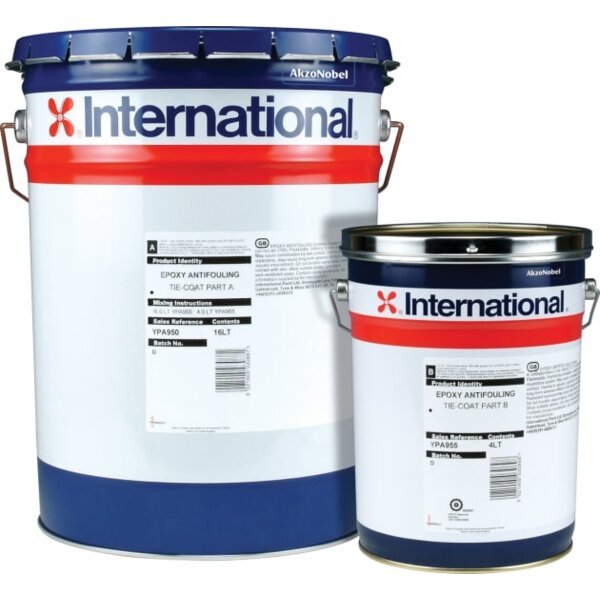
EPOXY A/F TIE COAT CONVERTER YPA955 by International Náutica is the dedicated curing agent used in the Epoxy Tiecoat two-pack, tar-free epoxy tie coat system. Combined at a 4:1 mix ratio with Epoxy Tiecoat Part A (YPA950 Light Grey), it creates a high-performance epoxy layer designed to promote adhesion between anticorrosive primers, antifoulings and selected polyurethane topcoats. This system is suitable for both newbuild and maintenance and repair projects, providing extended antifouling overcoating intervals of up to 5 days.
Main features
- Two-pack epoxy system: Converter YPA955 is mixed with Epoxy Tiecoat Part A at 4 volumes Part A to 1 volume Part B.
- Tar-free formulation: Designed as a tar-free epoxy tie coat layer.
- Adhesion bridge: Used as a tie coat between anticorrosives, antifoulings and some polyurethane topcoats to ensure maximum system adhesion and performance.
- Flexible project use: Suitable for newbuilding as well as maintenance and repair applications.
- Extended antifouling overcoating interval: When used as part of the Epoxy Tiecoat system, antifouling can typically be overcoated for up to 5 days, depending on temperature.
Technical specifications
- Product type: Epoxy tie coat system converter/curing agent (Part B)
- System name: Epoxy Tiecoat
- Associated base component: Epoxy Tiecoat Part A, colour YPA950 Light Grey
- Finish of mixed system: Matt
- Specific gravity of mixed system: 1.4
- Volume solids of mixed system: 57%
- Mix ratio (by volume): 4 volumes Part A : 1 volume Part B (converter YPA955)
- Typical shelf life (mixed system data): 2 years
- VOC (as supplied): 445 g/L (EPA Method 24)
- VOC (EU Solvent Emissions Directive): 306 g/kg (Council Directive 1999/13/EC)
- Available unit sizes: 5 L, 20 L (for other sizes, consult International)
- Theoretical coverage: 5.7 m²/L per coat (mixed paint)
- Recommended DFT per coat: 100 microns dry
- Recommended WFT per coat: 175 microns wet
- Number of coats: 1 (as part of the specified system)
- Application methods (mixed product): Airless spray, brush, roller
Drying and overcoating information for the mixed Epoxy Tiecoat system
- Substrate temperature 5°C (41°F)
- Hard dry: 24 hours
- Touch dry: 12 hours
- Pot life: 8 hours
- Substrate temperature 15°C (59°F)
- Hard dry: 20 hours
- Touch dry: 8.5 hours
- Pot life: 7 hours
- Substrate temperature 25°C (77°F)
- Hard dry: 16 hours
- Touch dry: 6 hours
- Pot life: 6 hours
- Substrate temperature 35°C (95°F)
- Hard dry: 12 hours
- Touch dry: 4 hours
- Pot life: 4 hours
Typical overcoating intervals for the Epoxy Tiecoat system
Overcoating times depend on substrate temperature and the next product in the system. Indicative minimum and maximum intervals are:
- Awlcraft 3000: Min 36 h / Max 5 days at 5°C; Min 18 h / Max 5 days at 15°C; Min 12 h / Max 5 days at 25°C; Min 8 h / Max 5 days at 35°C.
- Epoxy Tiecoat (self-overcoating): Min 36 h / Max 42 days at 5°C; Min 18 h / Max 35 days at 15°C; Min 12 h / Max 28 days at 25°C; Min 8 h / Max 14 days at 35°C.
- Interior Finish 750: Same intervals as Awlcraft 3000.
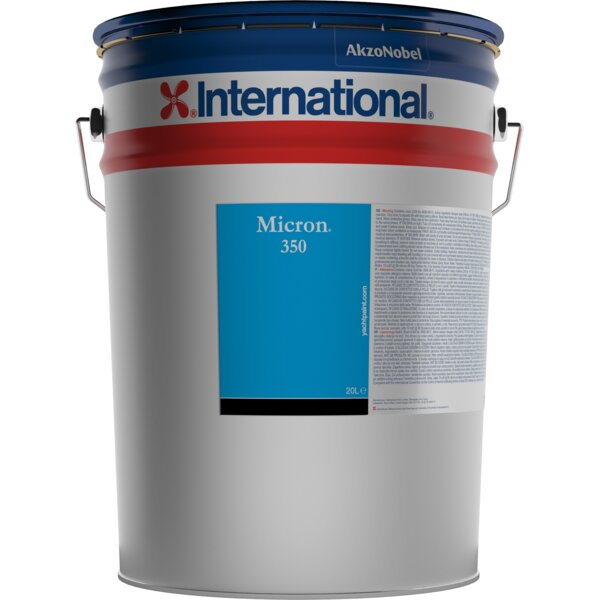
- International/Interlux Antifouling and compatible Micron, Trilux 33, Ultra 300 and Uni-Pro 250 products: Min 24 h / Max 8 days at 5°C; Min 15 h / Max 6 days at 15°C; Min 12 h / Max 5 days at 25°C; Min 8 h / Max 3 days at 35°C.
Applications and use cases
Typical uses
- Yacht and marine coatings: Part of the Global Yacht standard specification for hulls where an epoxy tie coat is required between anticorrosive primers and antifouling or polyurethane topcoats.
- Newbuilding projects: Provides a robust tie coat in new hull construction as part of a high-performance scheme.
- Maintenance and repair: Used when refurbishing existing systems to restore adhesion and performance between underlying primers and new antifouling or finishes.
Surface preparation and application guidance (mixed system)
- All substrates must be clean, dry and free from oil, grease, salt and other contaminants.
- High-pressure fresh water washing or fresh water washing, as appropriate, should be used to remove soluble contaminants and foreign matter.
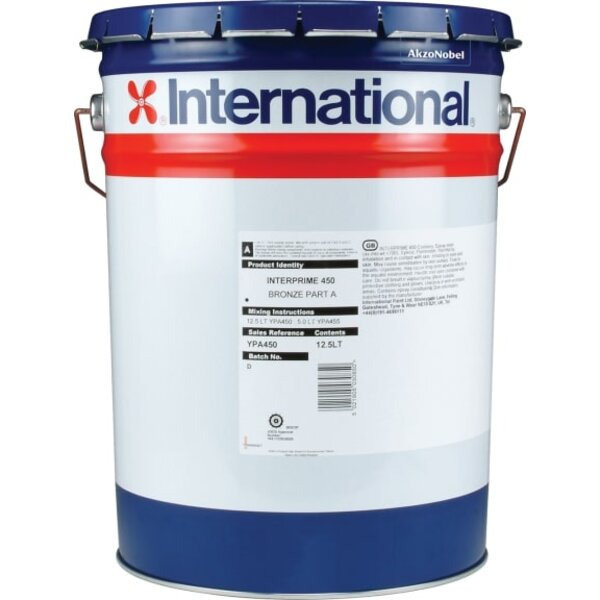
- Epoxy Tiecoat must always be applied over Interprime 450.
- The primer surface must be dry, clean and overcoated with the Epoxy Tiecoat system within the specified overcoating interval for the primer.
- Mix Part A and the converter YPA955 thoroughly using a power agitator. Power agitation is recommended both for the individual components and for the mixed paint.
- Thinning is not recommended. If absolutely necessary, International GTA220 may be used up to a maximum of 5% by volume.
- For equipment cleaning, use International GTA220.
- Airless spray: Total output fluid pressure at the spray tip should not be less than 2500 psi (176 kg/cm²), with a tip size of 0.46–0.66 mm (18–26 thou).
- Brush/roller: Suitable for small areas. Multiple coats may be required to reach the specified dry film thickness.
- For substrate compatibility and full system design, consult your International Paint Representative.
FAQ
-
What is EPOXY A/F TIE COAT CONVERTER used for?
It is the curing agent (Part B, YPA955) for the Epoxy Tiecoat two-pack tie coat system, enabling the mixed epoxy layer that promotes adhesion between anticorrosive primers, antifoulings and some polyurethane topcoats.
-
What is the correct mix ratio with Epoxy Tiecoat Part A?
The mix ratio is 4 volumes of Epoxy Tiecoat Part A to 1 volume of converter YPA955.
-
Can I thin the mixed product?
Thinning is not recommended. International GTA220 may be used only in exceptional circumstances, up to a maximum of 5% by volume.
-
How many coats are normally required?
The Epoxy Tiecoat system is typically applied in 1 coat at 100 microns dry film thickness, depending on the specification.
-
What is the pot life of the mixed Epoxy Tiecoat?
Pot life is approximately 8 hours at 5°C, 7 hours at 15°C, 6 hours at 25°C and 4 hours at 35°C.
-
Which primers should Epoxy Tiecoat be applied over?
Epoxy Tiecoat should always be applied over Interprime 450, within the primer’s specified overcoating interval.
-
Which antifoulings and topcoats are compatible?
The system is designed to tie anticorrosives to International/Interlux antifoulings and some polyurethane topcoats such as Awlcraft 3000 and Interior Finish 750, within the specified overcoating intervals.
-
How should leftover mixed paint and containers be disposed of?
Do not pour paint into watercourses or drains. Allow paints to harden before disposal and arrange disposal of remainders in consultation with the relevant authorities. Remainders cannot be disposed of through municipal waste without a permit.
-
Is the product suitable for professional or DIY use?
The documentation states that the product is for professional use only.
Section 14 – Transport information
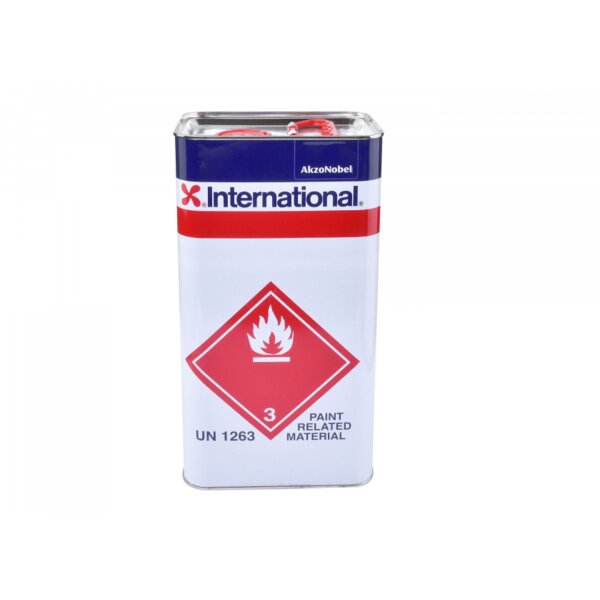
- UN number / ID number: UN1263
- UN proper shipping name: PAINT
- Transport hazard class: Class 3 (flammable liquid)
- Packing group: III
- Environmentally hazardous / marine pollutant: Yes. The environmentally hazardous substance mark is not required when transported in pack sizes of ≤5 L or ≤5 kg.
- ADR/RID additional information: Tunnel code (D/E).
- IMDG additional information: Emergency schedules F-E, S-E. Identified marine pollutants include reaction product: bisphenol-A-(epichlorhydrin); epoxy resin and solvent naphtha (petroleum), light arom.
- IATA: The environmentally hazardous substance mark may appear if required by other transportation regulations.
- Special precautions for users: Within user premises, always transport in closed containers that are upright and secure, and ensure that personnel transporting the product know what to do in case of an accident or spillage.
Section 8 – Personal protective measures
The following protective measures are indicated for handling the mixed Epoxy Tiecoat system (including the converter) and are based on the safety data available:
- General measures: Use only with adequate ventilation and in a controlled atmosphere. Avoid breathing vapour, spray or mist, and avoid skin and eye contact.
- Hand protection: Wear chemical-resistant, impervious gloves compliant with an approved standard. For prolonged or frequently repeated contact, gloves with protection class 6 (breakthrough time > 480 minutes according to EN374) are recommended, such as Viton or nitrile gloves with thickness ≥ 0.38 mm. For brief contact, at least protection class 2 (> 30 minutes) nitrile gloves ≥ 0.12 mm are recommended. Replace gloves regularly and if damaged.
- Eye/face protection: Use chemical splash goggles or equivalent eye protection meeting approved standards when there is a risk of splashes or spray.
- Skin and body protection: Wear suitable protective clothing selected according to the task and risk, approved by a specialist. When there is a risk of ignition from static electricity, use antistatic protective clothing including overalls, boots and gloves, according to EN 1149.
- Respiratory protection: When ventilation is inadequate, wear a respirator conforming to EN140 with type A/P2 filter or better. During operations such as dry sanding, flame cutting or welding of the dry paint film, use suitable respiratory protection if local exhaust ventilation cannot prevent exposure.
- Hygiene measures: Wash hands, forearms and face thoroughly after handling and before eating, drinking or smoking. Remove contaminated clothing and protective equipment before entering eating areas. Ensure easy access to eye wash stations and safety showers.
- Environmental exposure control: Emissions from ventilation or process equipment should be checked and may require fume scrubbers, filters or engineering modifications to meet environmental legislation.
*Contenido generado por IA