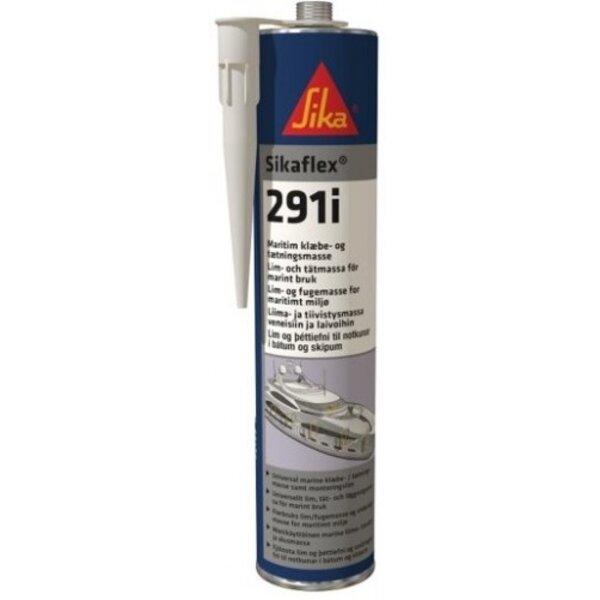
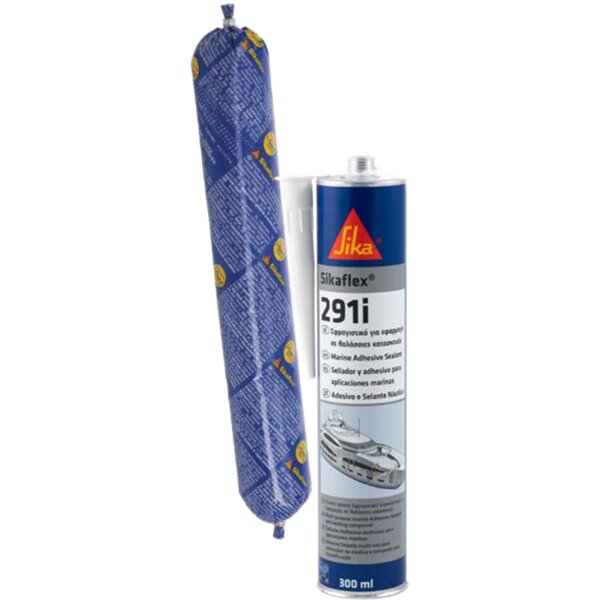
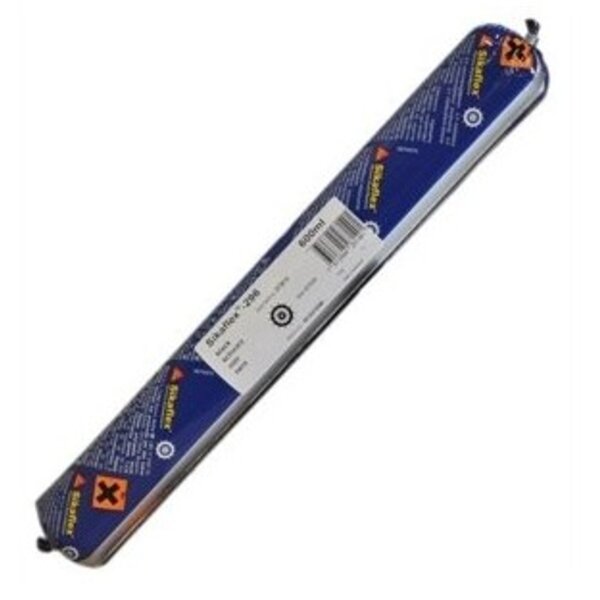
What is Sikaflex 291 iCURE and why choose it?
Sikaflex 291 iCURE (Sikaflex®-291i) is a one-component, moisture-curing polyurethane sealant specifically developed for marine applications. It is a non-sag, highly elastic sealant that forms a durable elastomer, complying with the low flame-spread requirements of the International Maritime Organization (IMO). Manufactured under ISO 9001/14001 quality and environmental management, it offers reliable performance for professional boatbuilding, repair and interior fitting.
Its excellent adhesion to common marine substrates, low odour, non-corrosive behaviour and paintability make Sikaflex 291 iCURE a versatile solution for sealing vibration-resistant and elastic joints both inside and outside the vessel.
Main features
- One-component polyurethane, cures with ambient moisture.
- Non-sag paste with good thixotropy for overhead and vertical joints.
- Certified Wheelmark and complies with IMO requirements for low flame propagation.
- Highly elastic, Shore A hardness of approx. 40 and elongation at break of approx. 500%.
- Low odour and non-corrosive.
- Free of VOC and emissions according to the product sheet.
- Can be overpainted with most conventional paint systems (compatibility testing required).
- Good adhesion on a wide variety of marine substrates such as wood, metals, metal primers, 2‑component paint coatings, ceramics and plastics (GRP, etc.).
- Not suitable for sealing plastics prone to stress cracking (e.g. PMMA, PC).
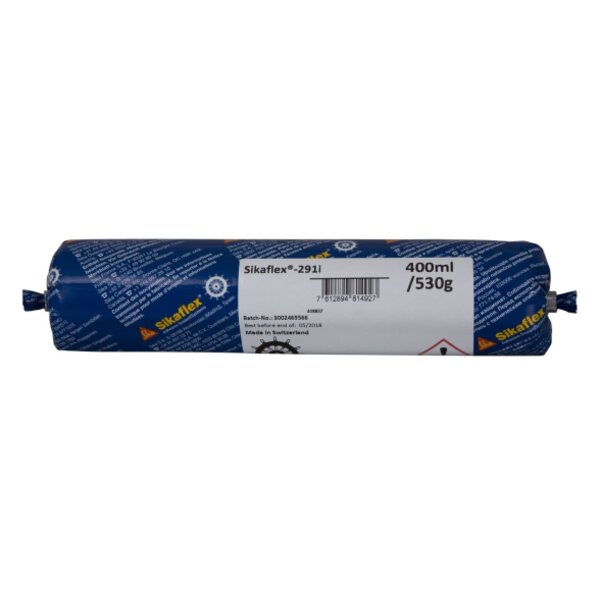
- Supplied in convenient packaging sizes: 100 ml tubes, 300 ml cartridges and 600 ml unipacs.
Technical characteristics
- Chemical base: 1‑C polyurethane.
- Colours: white, grey, black, brown.
- Curing mechanism: moisture curing.
- Density (uncured): approx. 1.3 kg/l (depending on colour).
- Thixotropy: good.
- Application temperature (ambient): +10 to +40 °C (50 – 105 °F).
- Skin formation time (23 °C / 50% r.h.): approx. 60 minutes.
- Open time (23 °C / 50% r.h.): approx. 45 minutes.
- Shrinkage: approx. 2%.
- Shore A hardness (ISO 868): approx. 40.
- Tensile strength (ISO 37): approx. 1.8 MPa.
- Elongation at break (ISO 37): approx. 500%.
- Tear propagation resistance (ISO 34): approx. 7 N/mm.
- Glass transition temperature (ISO 4663): approx. −45 °C (−50 °F).
- Service temperature range: approx. −40 to +90 °C (−40 to 195 °F).
- Short-term temperature resistance: 120 °C (250 °F) for 4 h; 140 °C (285 °F) for 1 h.
- Flash point: > 150 °C (closed cup).
- Physical form: liquid paste.
- Odour: very weak.
- Water solubility: insoluble.
- Vapour pressure: 0.01 hPa.
- Density (20 °C, SDS): approx. 1.38 g/cm³.
- Service life in unopened packaging (≤ 25 °C): 12 months.
Chemical resistance
- Resistant to fresh water, sea water, calcareous water and waste water.
- Resistant to diluted acids and weak caustic solutions.
- Temporarily resistant to fuels, mineral oils, animal and vegetable fats and oils.
- Not resistant to organic acids, alcohols, concentrated mineral acids, strong caustic solutions and solvents.
Applications and use cases
Sikaflex 291 iCURE is a multi-purpose sealant designed for marine construction. It is intended for use by experienced professional users. Preliminary tests on the original substrates and under real conditions are recommended to confirm adhesion and material compatibility.
Typical marine applications
- Elastic joints exposed to dynamic loads and vibrations on boats and ships.
- Interior and exterior sealing of decks, superstructures and fittings.
- Sealing joints between GRP components and other compatible plastics.
- Sealing joints on wood structures and trim.
- Sealing around metal components, primers and coated surfaces (2‑component paint systems).
- General purpose sealing where low flame spread and durable elasticity are required.
Substrate preparation
- Joint surfaces must be clean, dry and free of grease, oil, wax and dust.
- Adhesion can be improved by pre-cleaning with a suitable Sika® cleaner/activator and the appropriate Sika® primer, where required.
Application guidelines
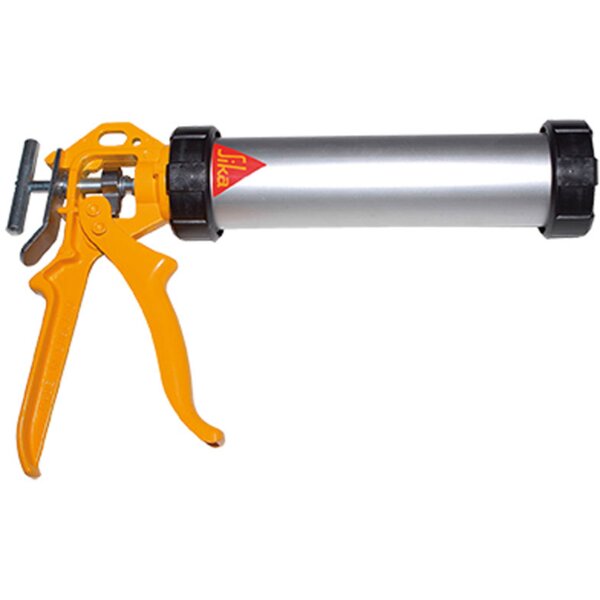
- Cut the nozzle to the desired bead size and apply the product into the joint using a manual or compressed air gun, taking care to avoid air entrapment.
- Do not apply below +10 °C or above +40 °C. The optimal temperature for both substrate and sealant is between +15 °C and +25 °C.
- Tooling and finishing must be carried out before skin formation. The use of Sika® Tooling Agent N is recommended. Any other smoothing agents must be checked for compatibility.
Cleaning
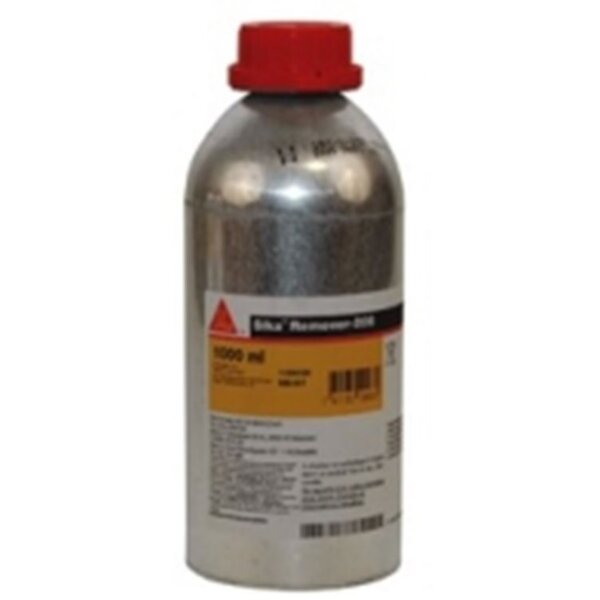
- Uncured Sikaflex 291 iCURE can be removed from tools and equipment with Sika® Remover-208 or another suitable solvent.
- Once cured, the material can only be removed mechanically.
- Hands and exposed skin should be washed immediately using Sika® Handclean or an appropriate industrial hand cleaner and water. Do not use solvents on the skin.
Overpainting
- Can be overpainted with most conventional paint systems.
- Compatibility of the paint must be checked by preliminary tests.
- Best results are obtained when the sealant is fully cured before painting, especially for stoving paints.
- Note that high hardness and film thickness of the paint over the elastic sealant can cause cracking of the paint layer.
- PVC-based paints and paints that dry by oxidation (oil-based and alkyd resin) are generally not suitable on Sikaflex 291 iCURE.
FAQ
1. What types of substrates does Sikaflex 291 iCURE adhere to?
It adheres well to most common marine construction materials, including wood, metals, metal primers, 2‑component paint coatings, ceramics and suitable plastics such as GRP.
2. Can it be used on all plastics?
No. It must not be used to seal plastics that are prone to internal stress, such as PMMA and PC, as this can lead to stress cracking.
3. Is Sikaflex 291 iCURE suitable for both interior and exterior joints?
Yes. It is designed for a wide range of sealing applications inside and outside marine structures, including joints exposed to vibrations.
4. How long does it take to form a skin and what is the open time?
At 23 °C and 50% relative humidity, skin formation occurs after approximately 60 minutes and the open time is about 45 minutes.
5. Can it be painted over?
Yes. Sikaflex 291 iCURE can be painted with most conventional paint systems. Preliminary tests are required to verify compatibility, and painting should preferably be done after full cure.
6. Is the product resistant to sea water and fuels?
It is resistant to fresh and sea water and shows temporary resistance to fuels, mineral oils and animal and vegetable fats and oils. It is not resistant to organic acids, alcohols, concentrated mineral acids, strong caustic solutions or solvents.
7. What is the recommended storage condition and shelf life?
When stored below 25 °C in unopened original packaging, the shelf life is 12 months.
8. Who should use this product?
This product is intended only for experienced professional users. Tests on the specific substrates and conditions must be carried out to ensure adhesion and compatibility.
Section 14 – Transport information
According to the safety data sheet, Sikaflex 291 iCURE is not classified as a dangerous good for transport.
- ADR (road transport): Not classified as a dangerous product.
- IMDG (sea transport): Not classified as a dangerous product.
- IATA (air transport, cargo and passenger): Not classified as a dangerous product.
- UN number: Not applicable.
- Official transport designation: Not applicable.
- Transport hazard class: Not applicable.
- Packing group: Not applicable.
- Environmental hazards: Not classified as hazardous to the environment for transport purposes.
- Special precautions for users: Not applicable.
- Bulk sea transport under IMO instruments: Not applicable to the supplied product.
Section 8 – Personal protective measures
The following information on exposure controls and personal protective equipment is taken from the safety data sheet and must be followed when handling Sikaflex 291 iCURE.
Engineering controls
- Maintain airborne concentrations below the applicable occupational exposure limits.
- Ensure adequate ventilation, especially in confined or enclosed spaces. Local exhaust or general ventilation should be used, particularly in mixing or agitation areas.
Eye and face protection
- Wear safety goggles with side protection compliant with EN 166.
Hand protection
- Wear chemical-resistant, impermeable gloves whenever handling chemicals, in accordance with the results of a risk assessment.
- For short contact or splashes: butyl rubber / nitrile rubber gloves (> 0.1 mm). Contaminated gloves must be disposed of.
- For prolonged exposure: Viton gloves (0.4 mm) with a breakthrough time > 30 minutes.
Skin and body protection
- Wear suitable protective clothing, such as long-sleeved workwear and long trousers.
- Safety footwear according to EN ISO 20345.
- Rubber aprons and protective boots are additionally recommended for mixing and agitation work.
Respiratory protection
- If ventilation is insufficient to keep exposure below limits, use suitable respiratory protection.
- Use an organic vapour filter respirator (Type A): A1 for < 1000 ppm, A2 for < 5000 ppm, A3 for < 10000 ppm.
- The selection of respiratory equipment must be based on known or expected exposure levels and the limitations of the selected respirator.
General hygiene measures
- Avoid contact with eyes, skin and clothing.
- Do not eat, drink or smoke while using the product.
- Wash hands before breaks and at the end of the workday.
- Persons with a history of skin sensitisation problems, asthma, allergies or chronic or recurrent respiratory diseases should not be employed in processes where this mixture is used.
*Contenido generado por IA