What Sikaflex 298 is and why choose it
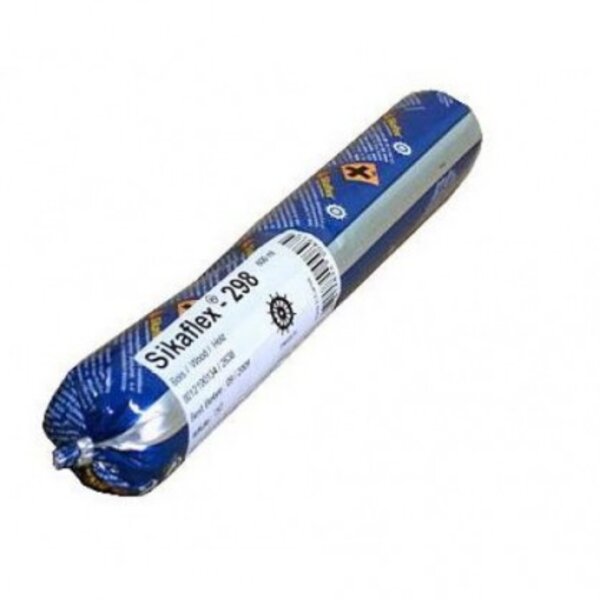
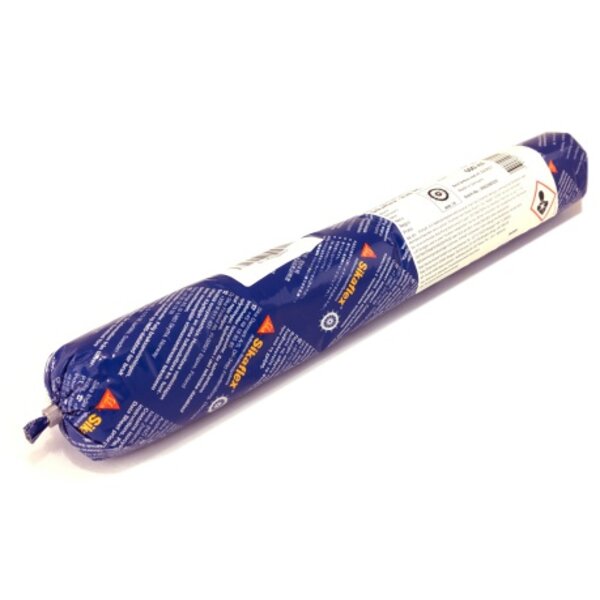
Sikaflex 298 is a slightly thixotropic, self-levelling, one-component polyurethane adhesive specifically developed for marine applications. It cures on exposure to atmospheric moisture to form a durable, elastic elastomer and is primarily used as a bedding compound for teak decks and synthetic deck coverings. With a long open time, sound deadening properties and compliance with International Maritime Organization (IMO) regulations, it is a professional-grade solution for high-quality marine deck bonding.
Main features and benefits
- Marine-optimised formulation: Designed for use as a teak deck bedding compound and for bonding deck covering materials in marine environments.
- One-component polyurethane: Ready-to-use 1-component PU that cures with ambient moisture, simplifying application.
- Slightly thixotropic and self-levelling: Offers non-sag behaviour while still flowing enough to level itself on deck surfaces.
- Long open/skin time: Approximate skin formation time of 100 minutes (at 23 °C / 50 % r.h.), giving flexibility during installation on larger deck areas.
- Elastic behaviour: Forms an elastic bond that helps accommodate movements between deck and covering materials.
- Sound deadening properties: Contributes to acoustic comfort on board by damping structure-borne noise.
- Low content of highly flammable solvents: Contains no highly inflammable solvents, improving handling safety.
- Temperature-resistant: Service temperature range approximately from -50 °C to +90 °C.
- Marine approvals: Meets regulations set out by the International Maritime Organization (IMO).
Technical specifications
- Chemical base: 1-component polyurethane
- Colour: Brown (also available in black according to some data sheets)
- Cure mechanism: Moisture-curing
- Density (uncured): approx. 1.2 kg/l (depending on colour)
- Non-sag / rheology: Slightly thixotropic
- Application temperature (ambient): +10 °C to +35 °C
- Optimum temperature for substrates and adhesive: +15 °C to +25 °C
- Skin time: approx. 100 minutes (23 °C / 50 % r.h.)
- Shrinkage: approx. 6 %
- Shore A hardness: approx. 30 (CQP023-1 / ISO 48-4 / ISO 868)
- Tensile strength: approx. 1.2 MPa (CQP036-1 / ISO 527)
- Elongation at break: approx. 600 % (CQP036-1 / ISO 37)
- Tear propagation resistance: approx. 4 N/mm (CQP045-1 / ISO 34)
- Glass transition temperature: approx. -45 °C (CQP509-1 / ISO 4663)
- Service temperature (continuous): approx. -40 °C to +90 °C
- Service temperature (general range): approx. -50 °C to +90 °C
- Flash point (liquid): approx. 65 °C (closed cup)
- Viscosity (kinematic): > 20.5 mm²/s (40 °C)
- Water solubility: Insoluble
- VOC content (EU / industrial emissions): approx. 4.3 % w/w
- Shelf life (unopened, < 25 °C): 12 months (unipack), 9 months (pail/bucket)
- Standard packaging: Unipack 600 ml; pail/bucket 10 l (also 1800 ml unipack in some regions)
Applications and use cases
Typical marine applications
- Teak deck bedding: Bedding compound for teak planks laid on top of the sub-deck surface.
- Deck covering bonding: Bonding of deck covering materials made from synthetic resins (except polyethylene and polypropylene).
Compatible substrates
- GRP (glass-reinforced plastic / polyester laminates)
- Marine plywood
- Steel
- Aluminium sealed with an anti-corrosion coating (epoxy or polyurethane-acrylic based)
- Stainless steel
Sikaflex 298 is intended for experienced professional users. Tests on actual substrates and under real conditions must be carried out to confirm adhesion and material compatibility.
Application guidelines (summary)
- Substrates must be clean, dry and free from grease, oil, dust and contaminants.
- Surface pretreatment is crucial and should follow the applicable Sika pre-treatment chart for marine applications.
- Apply between +10 °C and +35 °C; consider that higher temperature and humidity shorten open time and speed up curing.
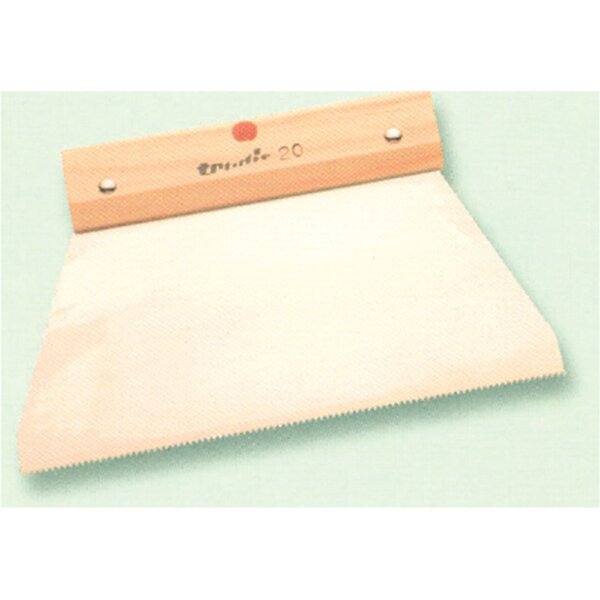
- For large surfaces, apply with a notched spreader (approx. 4–5 mm notch depth).
- Approximate consumption: around 1.2 l per m².
- If both substrates are largely impervious to moisture or faster curing is required, lightly mist the adhesive surface with water (about 10 g water/m²) just before joining.
- Join parts within the open time and before skin formation; never bond once a skin has formed.
- Apply firm, even pressure and maintain the bond under pressure for at least 3 hours until the adhesive has set.
Curing behaviour
- Cures by reaction with atmospheric moisture.
- At lower temperatures the moisture content in air is reduced, so the curing speed decreases.
- Curing speed over time is illustrated in the manufacturer’s curing diagram (referenced as Diagram 1 in the product data).
Chemical resistance
- Generally resistant to: Fresh water, seawater, diluted acids, diluted caustic solutions.
- Temporarily resistant to: Fuels, mineral oils, vegetable and animal fats and oils.
- Not resistant to: Organic acids, glycolic alcohol, concentrated mineral acids, strong caustic solutions or solvents; not resistant to certain paint thinners.
Cleaning and removal
- Uncured Sikaflex 298 can be removed from tools and equipment with Sika Remover-208 or another suitable solvent.
- Once cured, the material can only be removed mechanically.
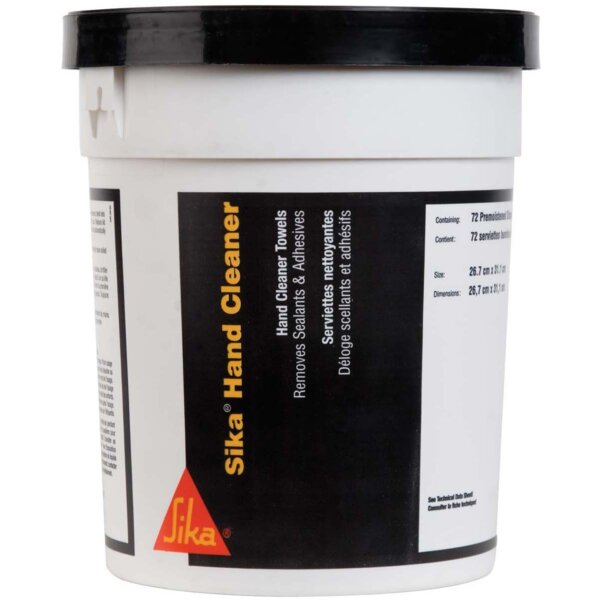
- Hands and exposed skin should be cleaned immediately using suitable hand wipes or an industrial hand cleaner and water; do not use solvents on the skin.
FAQ – Sikaflex 298 marine bedding compound
-
Is Sikaflex 298 suitable for bonding polyethylene or polypropylene deck coverings?
No. The product data sheet states that it is suitable for synthetic resin deck materials except polyethylene and polypropylene.
-
On which substrates can Sikaflex 298 be used?
Suitable substrates include GRP, marine plywood, steel, aluminium with an epoxy or polyurethane-acrylic anti-corrosion coating, and stainless steel, provided they are correctly pre-treated.
-
Can Sikaflex 298 be used above or below the waterline?
The documentation specifies resistance to fresh water and seawater and focuses on deck bedding applications. It does not explicitly define use below the waterline; professional users must validate suitability through testing.
-
How long is the open time?
The approximate skin formation time is 100 minutes at 23 °C and 50 % relative humidity. In warm and humid climates, the open time is significantly shorter.
-
How much Sikaflex 298 do I need per square metre?
The indicative consumption is about 1.2 litres per m² when applied with a notched spreader of around 4–5 mm.
-
Can Sikaflex 298 be painted?
Yes. It can be painted after the skin formation time has elapsed and once compatibility has been checked with preliminary tests. Oven baking should only be done after complete curing, and rigid paint layers may crack over the elastic adhesive.
-
How should opened containers be handled?
Opened packs should be used within a relatively short period and reclosed carefully, kept upright to avoid leakage.
-
Who should use Sikaflex 298?
The product is intended for experienced professional users only. Tests on real substrates and conditions are required to ensure adequate adhesion and compatibility.
-
What is the shelf life?
When stored below 25 °C in unopened original packaging, typical shelf life is 12 months for unipacks and 9 months for pails.
-
How resistant is Sikaflex 298 to heat and cold?
The stated service temperature range is approximately -50 °C to +90 °C, with continuous service commonly given as about -40 °C to +90 °C.
Section 14 – Transport information
According to the safety data sheets, Sikaflex 298 is not classified as a dangerous good for transport:
- ADR (road): Not regulated as a dangerous good.
- IMDG (sea): Not regulated as a dangerous good.
- IATA (air): Not regulated as a dangerous good (cargo or passenger).
- UN number / ID number: Not applicable (not classified as dangerous goods).
- Packing group: Not applicable.
- Environmental hazards: Not classified as dangerous for the environment for transport.
- Bulk transport under IMO instruments: Not applicable to the product as supplied.
Section 8 – Individual protection measures
The following information is taken from the safety data sheets and refers to handling Sikaflex 298 in professional and industrial environments.
Exposure controls
- Engineering controls: Maintain airborne concentrations below occupational exposure limits. Ensure adequate ventilation, especially in confined or mixing/stirring areas. Use local exhaust extraction or general ventilation according to EN 689 methods.
Personal protective equipment (PPE)
- Eye and face protection: Safety glasses with side shields conforming to EN166. An eye-wash bottle with clean water should be available.
- Hand protection:
- Chemical-resistant, impervious gloves complying with EN 374.
- Suitable for short exposure or splashes: butyl rubber / nitrile rubber gloves (> 0.1 mm).
- Suitable for longer exposure: Viton gloves (approx. 0.4 mm), breakthrough time > 30 minutes.
- Remove and dispose of contaminated gloves.
- Skin and body protection: Protective clothing such as safety shoes to EN ISO 20345, long-sleeved workwear and long trousers. For mixing and stirring tasks, rubber aprons and protective boots are additionally recommended.
- Respiratory protection:
- Use respiratory protection if ventilation is insufficient or exposure limits may be exceeded.
- Use a properly fitted NIOSH-approved air-purifying or air-fed respirator meeting relevant standards.
- Recommended filter type: organic vapour filter (Type A) with capacity classes A1 (< 1000 ppm), A2 (< 5000 ppm) or A3 (< 10000 ppm) as appropriate.
Hygiene measures
- Handle in accordance with good industrial hygiene and safety practice.
- Do not eat, drink or smoke when using the product.
- Wash hands before breaks and at the end of the workday.
- People with a history of asthma, allergies or chronic/recurrent respiratory diseases should not work in processes where this mixture is used.
Environmental exposure control
- Do not allow the product to enter surface water, drains or the sanitary sewer system.
*Contenido generado por IA