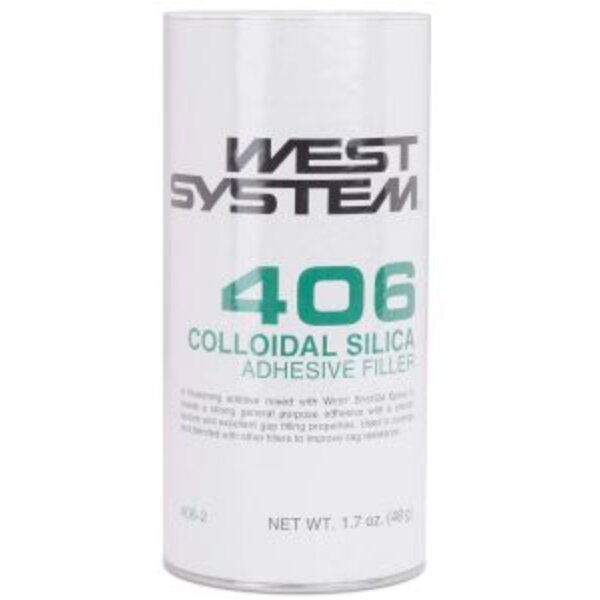
West System 406 Colloidal Silica is an adhesive filler additive used to thicken epoxy and control its viscosity, especially in vertical or overhead joints. It serves mainly for general epoxy bonding and filleting, offering strong, smooth, non-sagging mixtures and is often combined with other fillers to improve strength and abrasion resistance. Some details may not be fully verified; please refer to the official technical data sheet for complete specifications.
*Contenido generado por IA
| Presentation: | Container |
| Colour: | |
| Mixing ratio: | 3-8% en peso sobre la mezcla del epoxy |
| Base: | 105 EPOXY RESIN |
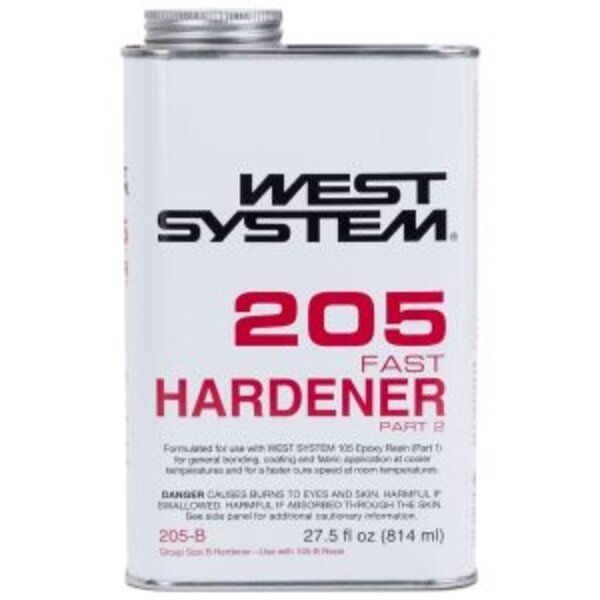
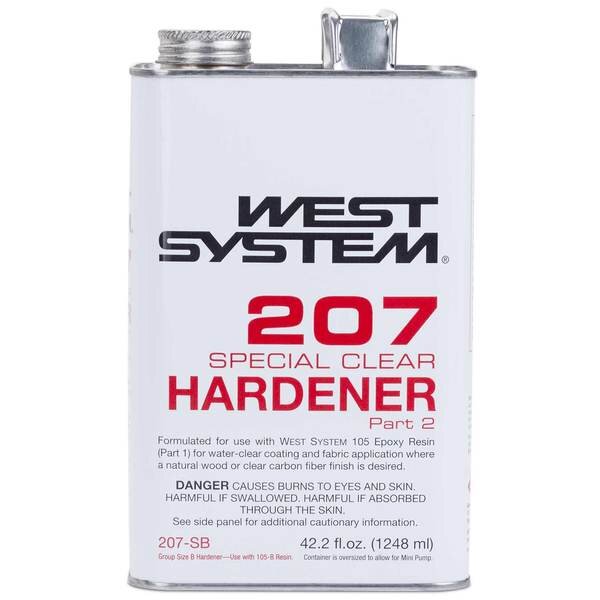
| Catalyst: | 205 FAST CATALYST 206 STANDARD CATALYST 207 SPECIAL COATING HARDENER 209 EXTRA SLOW HARDENER |
| Presentation: | Container |
| Colour: | |
| Mixing ratio: | 3-8% en peso sobre la mezcla del epoxy |
| Base: | 105 EPOXY RESIN |
| Catalyst: | 205 FAST CATALYST 206 STANDARD CATALYST 207 SPECIAL COATING HARDENER 209 EXTRA SLOW HARDENER |
WEST SYSTEM 406 Colloidal Silica is a high-density, synthetic amorphous silica powder used as a thickening additive for epoxy systems. When blended into WEST SYSTEM epoxy resin and hardener, it increases viscosity to create a smooth, non-sagging mixture that is ideal for structural bonding, fillets and overhead or vertical applications. It is one of the most versatile and widely used adhesive fillers in the WEST SYSTEM range, combining high strength with a smooth, easy-to-apply texture.
Some numerical values (for example mixing ratios with specific epoxies in volume or weight percent) are not detailed here and should be verified directly in the official WEST SYSTEM technical data.
All application examples above are based on typical uses described by the manufacturer; specific performance in any given project must be verified with tests and by consulting official WEST SYSTEM documentation.
It is used as a thickening additive for epoxy. When mixed into epoxy resin and hardener, it increases viscosity to create a high-strength adhesive suitable for bonding, fillets, gap filling and vertical or overhead joints.
First blend the epoxy resin and hardener according to the epoxy manufacturer’s instructions. Then gradually add small amounts of 406 while stirring until the desired consistency (from slightly thickened to non-slumping paste) is reached. Exact addition levels depend on the job and should be confirmed in WEST SYSTEM guides or technical data. This information is not fully specified here.
It is specifically designed and recommended for WEST SYSTEM epoxies. Use with other epoxy brands may be possible but is not verified in this description; always run compatibility tests and consult the relevant epoxy manufacturer before use.
The mixture cures to an off-white color, which can be coated, painted or faired over once fully cured.
According to the current WEST SYSTEM Safety Data Sheet, this product is not classified as hazardous under the referenced regulations. However, the powder can cause mechanical irritation if excessive dust is generated, so recommended handling and personal protective measures must still be followed.
Store in a cool, dry place in tightly closed containers to prevent moisture uptake and contamination. The Safety Data Sheet indicates a recommended storage temperature between approximately -17 °C and 38 °C. Avoid conditions that generate airborne dust. For the latest details, always check the official SDS.
The Safety Data Sheet does not specify a fixed shelf life. As a mineral powder, it is generally stable if kept dry and uncontaminated. Nevertheless, long-term storage recommendations are not fully verified here; consult the current WEST SYSTEM documentation or packaging for any stated shelf life.
Epoxy mixtures thickened with high-density adhesive fillers like 406 are typically strong and harder to sand than low-density fairing fillers. This characteristic is implied by the manufacturer’s filler selection guides but the exact sanding behavior depends on mixture proportions and is not quantified in this description.
It is widely used in marine construction and repair when combined with WEST SYSTEM marine epoxies. Resistance to continuous immersion or specific service conditions, however, must be confirmed in each project using official WEST SYSTEM guidelines and appropriate testing.
The following summary is based on the current WEST SYSTEM Safety Data Sheet for 406 Colloidal Silica. It is provided for general information only and does not replace official transport documentation.
Even though it is not classified as a dangerous good for transport under these systems, normal precautions for handling industrial powders still apply. Always check the latest official Safety Data Sheet and relevant national or international transport regulations before shipment, as classifications and rules may be updated over time.
This section summarizes the personal protective measures recommended in the current Safety Data Sheet for WEST SYSTEM 406 Colloidal Silica. It is intended as a guide for typical occupational settings and does not replace a site-specific risk assessment or regulatory requirements.
Users must integrate these recommendations into their own health and safety management system and verify them against local legislation and the most recent WEST SYSTEM Safety Data Sheet.
*Contenido generado por IA
| Ref. | Colour | Capacity | Amount* |
|---|---|---|---|
| 406-1 | White | 60 g | 13,06 € |
| 406-2 | White | 275 g | 31,07 € |
| 406-3 | White | 1,5 kg | 87,35 € |
| 406-4 | White | 10 kg | 401,00 € |

Color: Gray
1 X $113.88