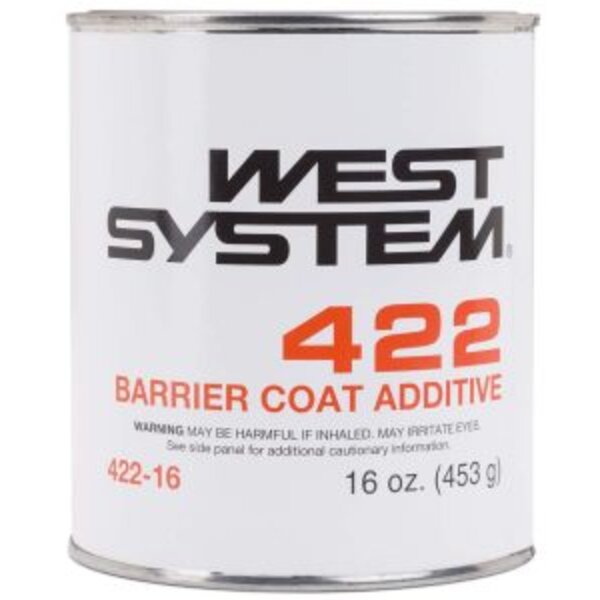


West System 422 Moisture Barrier is an epoxy barrier coat additive designed to be mixed with WEST SYSTEM epoxy to enhance moisture exclusion and abrasion resistance on boat hulls and fiberglass surfaces. It is mainly used to help prevent gelcoat blistering in polyester fiberglass boats by creating a more effective, durable moisture barrier. Data such as exact mixing ratios and coverage should be verified in the official West System technical datasheet.
*Contenido generado por IA
| Presentation: | Container |
| Colour: | |
| Mixing ratio: | 20-25% en peso sobre la mezcla del epoxy |
| Base: | 105 EPOXY RESIN |
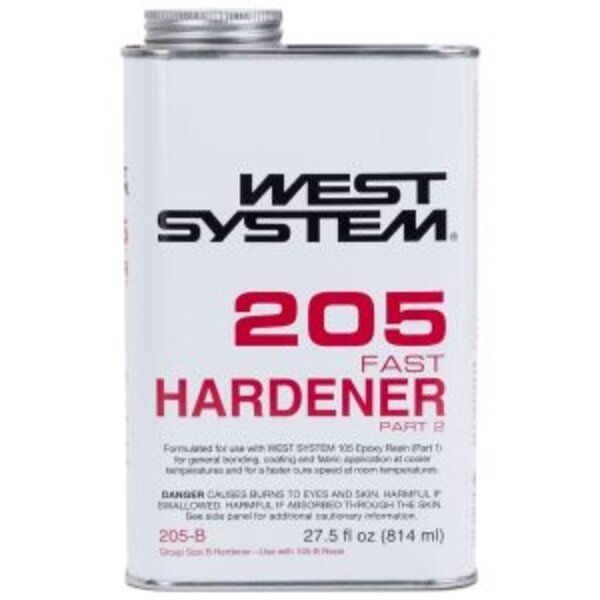
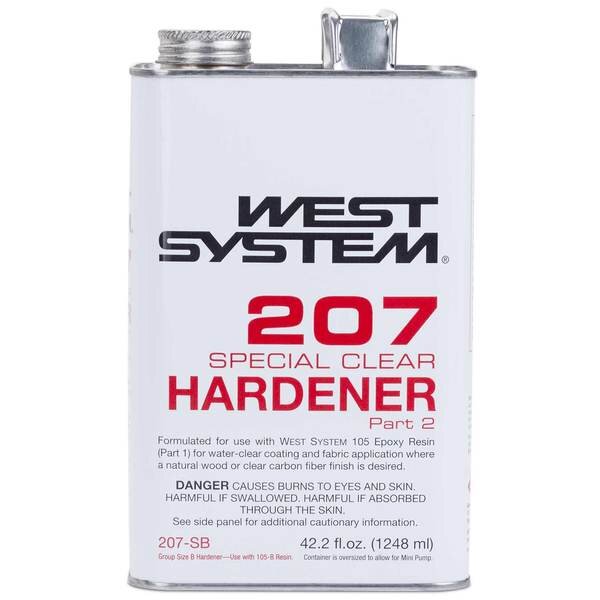
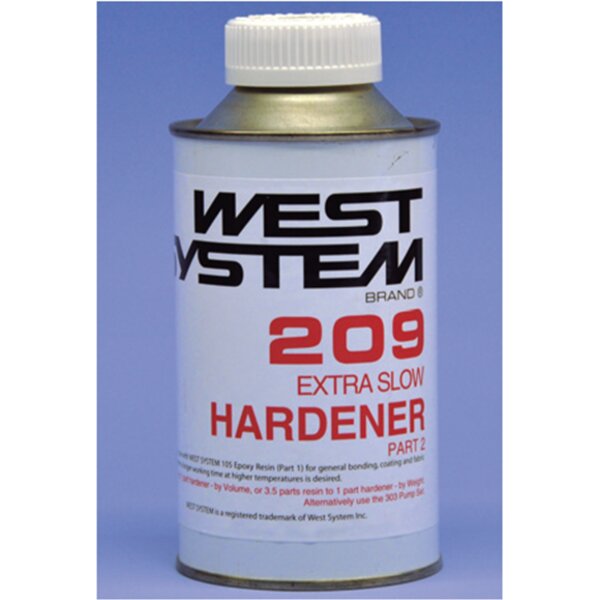
| Catalyst: | 205 FAST CATALYST 206 STANDARD CATALYST 207 SPECIAL COATING HARDENER 209 EXTRA SLOW HARDENER |
| Presentation: | Container |
| Colour: | |
| Mixing ratio: | 20-25% en peso sobre la mezcla del epoxy |
| Base: | 105 EPOXY RESIN |
| Catalyst: | 205 FAST CATALYST 206 STANDARD CATALYST 207 SPECIAL COATING HARDENER 209 EXTRA SLOW HARDENER |
WEST SYSTEM 422 Moisture Barrier (also known as 422 Barrier Coat Additive) is a proprietary additive formulated to be mixed with WEST SYSTEM epoxy and create a highly effective moisture barrier on polyester fiberglass and other marine substrates. It is designed to improve the moisture-exclusion effectiveness of cured epoxy, combat osmosis and gelcoat blistering, and increase abrasion resistance on hulls and underwater or permanently wet areas. Information in this description is based on manufacturer communications and specialized distributors but is not a substitute for the official technical data sheet.
Some values and compatibilities may vary depending on the specific epoxy system, application conditions and regional formulations. For critical projects, always confirm mixing ratios, coverage and curing conditions in the official WEST SYSTEM technical documentation.
Application methods (number of coats, film thickness, intervals between coats and surface preparation) depend on the specific project and should always follow the current WEST SYSTEM recommendations. When in doubt, consult the latest official user manual and technical data sheet for barrier coating systems.
It is an additive for WEST SYSTEM epoxy formulated to improve moisture resistance, help prevent gelcoat blistering (osmosis) on polyester fiberglass hulls and increase the abrasion resistance of the cured epoxy coating.
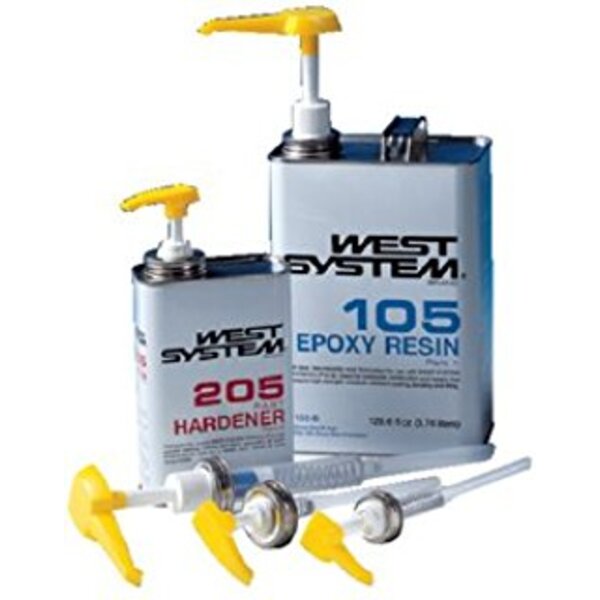
First mix the WEST SYSTEM resin and hardener in the correct ratio. Then add 422 Moisture Barrier to the mixed epoxy as a powder, typically around 20–25% by weight, until homogeneous. The exact proportion and procedure must be confirmed in the official WEST SYSTEM instructions, as values can change by system and region.
It is designed specifically for WEST SYSTEM epoxy systems. For use with other brands or formulations, compatibility is not guaranteed and should be validated with the manufacturer.
In general, the substrate must be clean, dry, structurally sound and properly abraded. For gelcoat blister or osmosis repairs, defective gelcoat and damaged laminate should be removed and dried as specified by the system designer. Always follow the latest WEST SYSTEM surface preparation guidelines.
Barrier schemes commonly involve multiple coats of epoxy to build a sufficient film thickness. Some manuals describe systems where several coats incorporate 422 for maximum moisture protection, but the exact number of coats and thickness must be defined project by project in accordance with the official technical recommendations.
Yes. The epoxy modified with 422 typically cures to a light grey or grey color, which helps visually identify the barrier coat.
It can be used anywhere an improved moisture barrier and abrasion resistance are needed. However, its use is especially recommended in immersed or highly wet areas such as hull bottoms and underwater appendages. Above-waterline use should follow the system designer’s specifications.
The use of solvents or thinners in WEST SYSTEM epoxy barrier coats is generally not recommended, as it can affect curing and barrier performance. Do not thin unless the official technical documentation explicitly allows it.
After full cure and proper surface preparation (washing and abrasion if required), compatible primers, antifoulings or finishing paints can usually be applied over the barrier coat. The choice of system and compatibility must always be checked with the paint manufacturer and WEST SYSTEM guidelines.
For exact mixing ratios, coverage rates, curing times and safety data, consult the official WEST SYSTEM technical data sheet and user manual for 422 Moisture Barrier and the specific epoxy system used.
The following transport-related information is indicative and not a replacement for the official safety data sheet (SDS):
For professional logistics, international shipping or large quantities, always consult the current safety data sheet and applicable transport regulations before dispatch.
The handling of WEST SYSTEM 422 Moisture Barrier and epoxy systems must follow good industrial hygiene practices and the specific recommendations of the official safety data sheet. The information below is generic and should be validated against the current SDS before use:
For full occupational exposure limits, toxicological information and emergency measures (first aid, fire fighting, accidental release), always refer to the official safety data sheet for WEST SYSTEM 422 Moisture Barrier and the relevant epoxy system.
*Contenido generado por IA
| Ref. | Capacity | Amount* |
|---|---|---|
| 422-1 | 500 g | 23,06 € |
| 422-2 | 3 kg | 106,28 € |

Color: Gray
1 X $113.88