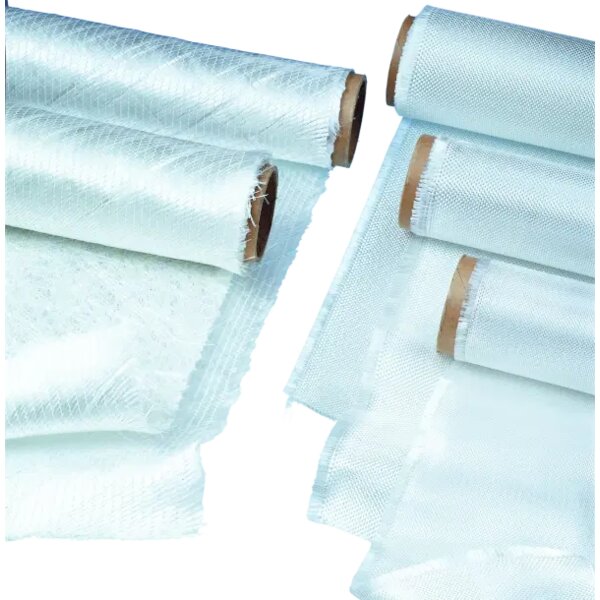
West System Fiberglass Cloth is a woven E-glass reinforcing fabric designed for use with epoxy to add strength, abrasion resistance, and moisture protection to composite structures in marine, structural, and general repair applications. Its woven construction allows it to conform to surfaces while creating durable, epoxy-compatible laminates; specific weight and thickness details may vary by version and should be verified in the official technical datasheet.
*Contenido generado por IA
| Capacity: | 1 m2 |
| Colour: |
| Capacity: | 1 m2 |
| Colour: |
West System Fiberglass Cloth is a woven E-glass fabric designed to be used with West System epoxy systems to create strong, lightweight and durable composite laminates. Available in several weights and weave styles, it is suitable for everything from small repairs to structural reinforcement on boats, boards, architectural components and general composites. Its balanced weave provides good drapability over curves while delivering excellent abrasion and moisture resistance when fully saturated with epoxy.
This fiberglass cloth is an established reference in the marine and composite industries, with product lines and typical uses verified against the manufacturer’s public information. Specific weight and roll dimensions may vary by reference and region and should be confirmed in the official technical data sheet for your exact SKU.
The exact technical values depend on the specific West System Fiberglass Cloth reference (for example, lighter or heavier weights and different weaves). The points below summarize typical, non-exhaustive characteristics derived from publicly available information and from standard fiberglass cloth properties. These values are indicative only and must be verified in the official West System data sheet or product label for the exact product you are buying.
Because West System offers several fiberglass cloth references with different weights, widths and weave styles, the precise roll length, cloth width, areal weight (g/m²), nominal thickness and mechanical properties must be checked directly in the official manufacturer documentation for your chosen SKU.
West System Fiberglass Cloth is primarily intended for use with West System epoxy systems. In general, woven E-glass cloth is compatible with most marine-grade epoxy resins, but you should always confirm compatibility and follow the instructions of your resin manufacturer for surface preparation, mixing ratios and curing conditions.
Standard fiberglass cloth can usually be wet out with polyester or vinylester resins, but West System specifically recommends pairing their fiberglass fabrics with their epoxy systems for best performance. If you plan to use other resin chemistries, check the resin manufacturer’s recommendations and understand that performance characteristics may differ from those obtained with epoxy.
Lighter weights (around 4 oz/yd², unverified example) are often used for sheathing or cosmetic layers, while medium weights (around 6 oz/yd², unverified example) provide a good balance between handling and strength for many boat and board applications. Heavier fabrics (around 10 oz/yd² and above, unverified example) are typically used in high-stress or structural areas. The optimal choice depends on your design requirements, and you should review the official West System guidance or engineering calculations where necessary.
The number of layers depends on the original laminate thickness and the mechanical requirements of the repair area. For structural repairs, the objective is usually to restore, as closely as possible, the original laminate thickness and fiber orientation. This must be evaluated per project, and for critical structures it is advisable to follow an engineering specification or professional guidance.
Yes, when fully saturated with clear epoxy, West System Fiberglass Cloth typically becomes translucent, allowing the substrate or wood grain to show through. This makes it suitable for bright-finished wooden surfaces where the appearance of the wood is important.
It is generally recommended to apply sufficient epoxy fill coats over the fiberglass cloth so that sanding is performed on the cured epoxy surface, not directly on the fabric. Sanding into the cloth can damage the fibers and reduce strength.
When correctly laminated with epoxy and finished with an appropriate protective coating (for example, a UV-resistant paint or varnish recommended for epoxy systems), fiberglass-epoxy composites are commonly used in outdoor and marine environments. The long-term durability will depend on correct design, application and maintenance.
No. This description is based on general properties of West System Fiberglass Cloth and publicly available, non-exhaustive information. Specific data such as exact areal weight, thickness, roll dimensions and mechanical properties can vary by product code and region and must be confirmed in the official West System technical documentation for the specific product you are purchasing.
At a basic level you will need clean mixing containers and tools for epoxy, brushes or rollers for wet-out, scissors or a suitable cutter for the cloth, and standard sanding equipment for finishing cured epoxy. For larger or more complex laminates, additional tools or consumables (such as peel ply, squeegees, or consolidation rollers) may be required, as indicated in West System’s application guides.
The most reliable source for precise, up-to-date technical data and application recommendations is the official West System technical documentation and user manuals published by the manufacturer. Always refer to those documents when planning critical or structural applications.
Fiberglass cloth itself is typically considered a stable, non-dangerous good under normal transport conditions. However, classification can vary by jurisdiction and by how the product is packaged or combined with other materials. Because this description is based on general information and not on the specific Safety Data Sheet for a given West System Fiberglass Cloth reference, no officially verified transport classification (such as UN number, hazard class or packing group) can be provided here.
Before shipping or transporting the product, especially internationally or in commercial quantities, the official Safety Data Sheet (SDS) and any regional transport regulations must be consulted to confirm whether the product is classified as non-hazardous or subject to any special requirements.
The following information is of a general and indicative nature, based on common safety practices when handling fiberglass cloth and epoxy systems. It does not replace the official Safety Data Sheet for the specific West System Fiberglass Cloth and resin system you use.
For precise and legally compliant information on individual protection measures, always consult the official Safety Data Sheet corresponding to the exact West System products used in your project.
*Contenido generado por IA
| Ref. | Amount* |
|---|---|
| 741B | 15,95 € |
Color: Gray
1 X $113.88