What is VINYLESTER RESIN and why choose it
VINYLESTER RESIN from Laminados y complementos is a pre-accelerated, thixotropic vinylester resin designed for reinforced composites where high chemical resistance and excellent mechanical performance are required. It is typically used in demanding environments such as nautical applications and chemically aggressive atmospheres, where standard polyester resins may not offer sufficient durability. Some details in this description are inferred from general vinylester technology and similar market products and are not manufacturer-verified; always check the official technical datasheet from Laminados y complementos before final use.
Main features
- Vinylester chemistry: based on vinylester technology, offering higher chemical and mechanical resistance than standard unsaturated polyester resins in many applications (information inferred from general vinylester resins, not specifically verified for this product).
- Pre-accelerated formulation: designed to cure with MEKP-type catalysts at room temperature for fast and reliable hardening (typical for vinylester laminating resins; verify exact catalyst type and dosage in the official datasheet).
- Thixotropic behavior: the thixotropic nature helps reduce sagging on vertical surfaces and improves surface finish in hand lay-up and spray-up processes (property indicated for similar "vinylester resin laminates and complements" products used in nautical and chemical-resistant laminates; not explicitly verified for this exact SKU).
- Chemical resistance: suitable for applications where resistance to many acids, alkalis and various corrosive agents is required, such as tanks, ducts and structures in contact with aggressive media (based on typical vinylester resin performance; exact resistance limits must be confirmed in the official datasheet).
- High mechanical performance: when reinforced with glass fiber, vinylester matrices usually provide high tensile, flexural strength and impact resistance, making them suitable for structural laminates (general property of vinylester composites, not a tested value for this specific product).
- Compatible with fiberglass reinforcements: developed for use with glass fiber mats, fabrics and rovings commonly used in marine and industrial composite laminates.
- Room-temperature curing: allows manufacturing without ovens in most standard laminating processes; post-curing may be recommended to reach maximum chemical and thermal resistance (post-cure conditions must be checked in the official datasheet).
Technical specifications
The following points are generic attributes expected for a vinylester laminating resin and are provided as non-verified, indicative information. Exact numerical values and tolerances must be confirmed in the official technical datasheet from Laminados y complementos.
- Resin type: vinylester resin, pre-accelerated and thixotropic (description inferred from similar "VINYLESTER RESIN" products used in nautical and chemical-resistance applications; not explicitly confirmed for this specific item).
- Curing system: typically catalyzed with MEKP (methyl ethyl ketone peroxide) at room temperature (usual range 1.5–2.0% by weight for many vinylester laminating resins; dosage for this product must be verified).
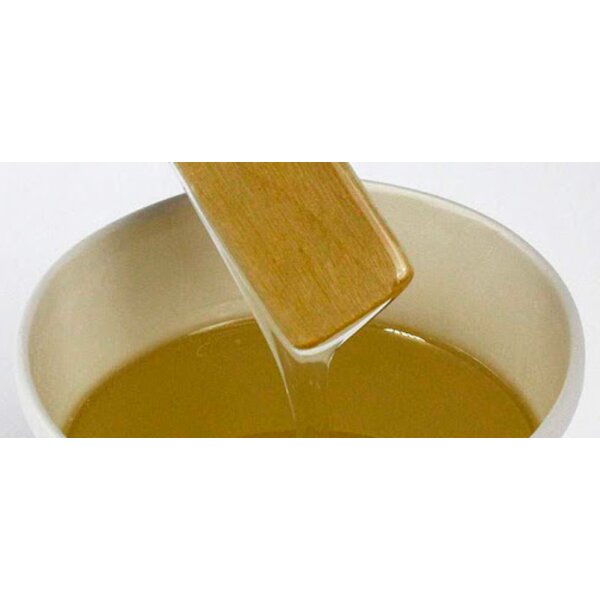
- Appearance: liquid resin, usually slightly colored (often light pink or amber) depending on formulation. Exact color may vary by batch and is not manufacturer-confirmed here.
- Viscosity: medium viscosity suitable for hand lay-up and spray-up processes (exact mPa·s range not available and therefore not specified).
- Use temperature range: designed for curing and processing at typical workshop temperatures (exact recommended range not specified; consult official datasheet).
- Recommended reinforcements: glass fiber mats, woven roving, multiaxial fabrics and similar reinforcements commonly used in marine and industrial laminates.
Applications and use cases
Based on common uses of vinylester laminating resins with nautical and chemical resistance certification, typical applications for VINYLESTER RESIN from Laminados y complementos may include the following. These are indicative, not manufacturer-verified, and should be validated against the official technical documentation before use.
- Marine and nautical components: hulls, decks, structural reinforcements, tanks and accessories for boats that require increased resistance to water, osmotic attack and fuels.
- Chemically resistant tanks and equipment: manufacturing of tanks, containers, ducts and trays for handling a wide variety of chemicals, where polyester resin might not provide sufficient service life.
- Industrial composite structures: platforms, gratings, covers and structural elements made with fiberglass-reinforced vinylester resin for aggressive industrial environments.
- Repair of composite structures: repair laminates on existing GRP parts that must maintain high chemical or mechanical resistance.
- Moulds and tooling: in some cases, vinylester resin is used to produce moulds that must withstand elevated temperature and repeated cycles (verify suitability, shrinkage and thermal resistance with the official datasheet before using this resin for tooling).
FAQ
1. What type of catalyst should I use with VINYLESTER RESIN?
Most vinylester laminating resins are formulated to cure with MEKP (methyl ethyl ketone peroxide) at room temperature. However, the exact catalyst type and dosage for this specific product are not verified here; consult the official technical datasheet from Laminados y complementos before use.
2. Can I use this resin for marine applications?
VINYLESTER RESIN is described as suitable for nautical and chemical-resistant laminates in similar market products, which suggests it is appropriate for many marine applications. Nevertheless, this information is not directly confirmed by the manufacturer in this description, so always verify the suitability for your specific project with the official documentation.
3. Is this resin more resistant than standard polyester resin?
In general, vinylester resins offer higher chemical resistance, better toughness and improved mechanical performance compared to standard unsaturated polyester resins. These advantages are based on typical vinylester technology and not on direct testing of this specific product.
4. Can I use it with any type of fiberglass reinforcement?
Vinylester laminating resins are normally compatible with glass fiber mats, fabrics, roving and multiaxial fabrics. For special reinforcements (e.g., carbon fiber, aramid) or core materials, it is advisable to run preliminary tests and check the indications in the official datasheet.
5. Does it require post-curing?
Many vinylester systems reach their full chemical and thermal resistance only after a suitable post-curing cycle. Because the exact conditions (time and temperature) are not specified here, you should consult the manufacturer’s technical datasheet for the recommended post-cure schedule.
6. Can this resin be used for food contact or potable water?
No information is available in this description about approvals for food contact, potable water or similar regulated uses. Unless the official technical datasheet explicitly states otherwise, it should be assumed that this resin is not approved for such applications.
7. How should I store VINYLESTER RESIN?
Generally, vinylester resins should be stored in their original, tightly closed containers, away from direct sunlight and heat sources, at moderate temperatures to maintain reactivity. Exact storage temperature limits and shelf life for this product are not verified and must be checked in the official documentation.
8. What is the mixing ratio of resin and hardener?
For vinylester laminating resins, dosing is usually expressed as a percentage of MEKP catalyst relative to the resin weight. The precise recommended percentage and any allowed variation range for this VINYLESTER RESIN are not provided here and must be taken from the official technical datasheet.
9. Is this resin suitable for thick laminates in one operation?
Vinylester resins can usually handle higher laminate thickness per layer than many standard polyesters, but the risk of exotherm and shrinkage must be evaluated case by case. Because no specific processing limits are available here, follow the manufacturer’s recommendations and always run preliminary tests for thick laminates.
10. Where can I find verified technical data for this product?
To obtain accurate and manufacturer-verified information such as mechanical properties, chemical resistance charts, storage conditions and processing recommendations, request and consult the official technical datasheet of VINYLESTER RESIN from Laminados y complementos.
Section 14: Transport information
The following information is generic, based on typical classifications of vinylester resins containing reactive monomers such as styrene, and is not manufacturer-verified for this specific product. The official Safety Data Sheet (SDS) issued by Laminados y complementos always prevails.
- UN number: many vinylester resins containing styrene are classified under UN 1866 (Resin solution, flammable) for transport. This classification is indicative only and may or may not apply to this exact formulation.
- Transport hazard class: often class 3 (flammable liquids) when classified as resin solution containing flammable monomers. Exact class for this product must be confirmed in the SDS.
- Packing group: typically II or III for similar products, depending on flash point and other parameters. The precise packing group for VINYLESTER RESIN is not available here.
- Labelling: for products classified as flammable liquids, transport labels usually indicate the flammable liquid pictogram along with corresponding risk statements. Use only the labels and markings specified by the manufacturer and the SDS.
- Special precautions: protect containers from physical damage, heat, ignition sources and direct sunlight during transport. Ensure adequate ventilation and avoid transporting together with incompatible materials as indicated in the official SDS.
Because exact transport classification depends on the detailed formulation (e.g., styrene content, flash point), all information in this section must be considered indicative. Always refer to the latest Safety Data Sheet and transport documents supplied by Laminados y complementos for legally binding data.
Section 8: Individual protection measures
The following recommendations are based on common safety practices for handling liquid vinylester resins that may contain reactive monomers, peroxides and other hazardous components. They are generic and not specific, manufacturer-verified instructions for this product. Always prioritize the information given in the official Safety Data Sheet.
Personal protective equipment (PPE)
- Eye and face protection: use safety goggles with side shields or a face shield to prevent splashes into the eyes when mixing, catalyzing or applying the resin.
- Hand protection: wear chemical-resistant gloves (for example, nitrile or neoprene) with adequate breakthrough time for styrenic resins. Replace gloves immediately if damaged or contaminated.
- Skin and body protection: use protective clothing such as long-sleeved garments and chemical-resistant aprons to avoid skin contact. In operations with high splash risk, consider additional protection for forearms and legs.
- Respiratory protection: ensure good ventilation and, where vapors or mists may exceed occupational exposure limits, use appropriate respiratory protection (for example, an organic vapor respirator with suitable filters). The need and type of respirator must be defined according to the risk assessment and the official SDS.
- Hygiene measures: avoid eating, drinking or smoking in work areas. Wash hands and any exposed skin thoroughly after handling the resin and before breaks or leaving the workplace.
Engineering controls and safe handling
- Ventilation: use local exhaust ventilation or general mechanical ventilation to keep vapors and aerosols below recommended exposure limits.
- Spill management: in case of spills, ventilate the area, avoid ignition sources and use suitable absorbent materials while wearing proper PPE. Dispose of contaminated materials according to local regulations and guidance in the official SDS.
- Handling of catalysts: if MEKP or other organic peroxides are used as curing agents, store and handle them separately from the resin, avoiding contamination and contact with combustible materials. Follow the specific safety instructions provided by the catalyst supplier.
*Contenido generado por IA