What is 739 Biaxial Fabric 450 g/m² and why choose it
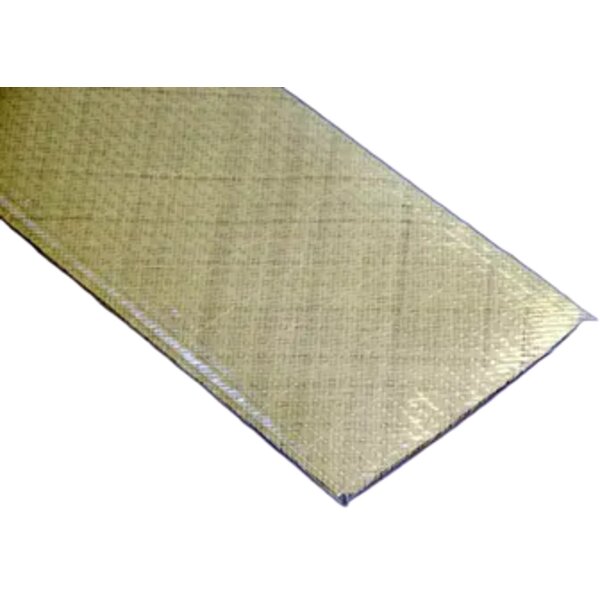
The West System 739 Biaxial Fabric 450 g/m² is an E-glass reinforcement fabric made from two layers of fiberglass stitched together with a ±45° fiber orientation. Designed for use with epoxy and other compatible resins, it offers excellent strength, abrasion resistance and impact resistance, making it ideal for demanding composite repairs and laminates in marine, structural and architectural applications. Some technical and application details described below are based on typical use of this type of fabric and may not be fully verified for this specific product reference; always confirm against the official West System technical datasheet.
Main features
- Biaxial E-glass fabric with fibers oriented at approximately +45° and -45° to provide balanced strength in two directions.
- Non-woven construction where the two layers are bonded by light stitching instead of weaving, helping the fabric conform to complex shapes.
- Approximate weight: 450 g/m², suitable for structural laminates and reinforcement layers.
- High fiber-to-resin ratio when properly hand-wetted, helping to achieve strong, lightweight laminates.
- Designed for durability, abrasion resistance and impact resistance in composite structures.
- White E-glass, compatible with most marine and industrial epoxy systems from West System.
- Good drapability thanks to the stitched construction, which allows it to follow curves and contours more easily than many woven fabrics.
Technical specifications
Some details below are based on information typically available for this product type and may not be fully verified. For precise and binding data, please refer to the official West System documentation.
- Brand: West System
- Product name: 739 Biaxial Fabric 450 g/m²
- Reinforcement type: Biaxial fiberglass (E-glass)
- Fiber orientation: Approximately ±45°
- Construction: Non-woven, light stitched layers
- Nominal fabric weight: 450 g/m² (unverified value, based on designation)
- Color: White (typical for this reference, not independently verified)
- Typical width: Around 1270 mm for some commercial formats (information not fully verified for all variants).
- Typical supply format: Roll lengths (for example 5 m rolls are commercially available; exact format may vary by supplier and region, information not fully verified).
- Typical resin compatibility: Epoxy systems and other compatible laminating resins; always follow West System recommendations.
Applications and use cases
The 739 Biaxial Fabric 450 g/m² is commonly used in structural reinforcement, repairs and new composite construction. The applications listed are typical for biaxial E-glass fabrics of this weight and are not exhaustive.
Marine and boatbuilding
- Reinforcement of hulls, decks and structural components in fiberglass or composite boats.
- Localized repairs on areas subject to abrasion and impact, such as keels, chines or transom zones.
- Building or reinforcing rudders, centerboards, bulkheads and stringers.
Composite repair and maintenance
- Restoration of damaged fiberglass laminates on vehicles, machinery covers and industrial components.
- Creation of new reinforcement layers on parts that require improved stiffness or impact resistance.
- Skins over cores (foam, marine plywood, etc.) in sandwich constructions.
Architectural and structural applications
- Composite reinforcements for architectural elements exposed to wear and moisture.
- Protective laminates over structural parts where abrasion or impact is expected.
- Custom composite parts for industrial or civil engineering uses, always following a validated design.
Surface protection and skinning
- Creation of abrasion-resistant skins over substrates sensitive to wear.
- Moisture barrier layers when used with suitable resin systems and correct application procedures.
- Outer laminates in multi-layer constructions, combining strength and surface protection.
FAQ
- 1. What does “biaxial 450 g/m²” mean?
- “Biaxial” refers to the fiber orientation in two main directions (typically ±45°), and 450 g/m² is the approximate fabric weight per square metre. This value may not be independently verified for this specific product; use it as an indicative reference only.
- 2. Which resin should be used with West System 739 Biaxial Fabric?
- It is generally designed for use with West System epoxy resins or other compatible laminating resins. The exact compatible resin systems and mixing ratios are not fully verified here; always follow the official West System recommendations.
- 3. Can this fabric be used for structural repairs on a boat hull?
- Yes, biaxial E-glass fabrics of this type are commonly used for structural and semi-structural hull repairs, reinforcements and new laminates, provided that the repair is correctly engineered and executed according to professional guidance.
- 4. Is the 450 g/m² weight suitable for light laminates?
- 450 g/m² is considered a medium-to-heavy reinforcement fabric. For very light laminates or cosmetic layers, lower weights may be preferred. This information is general and may not be specific to this exact product variant.
- 5. Can the fabric be layered with other glass fabrics?
- Yes, it is common practice to combine biaxial fabrics with other reinforcements (for example, woven cloths or chopped strand mats) to achieve specific mechanical properties. The optimum layup must be defined by a qualified designer or technician.
- 6. How is the fabric typically applied?
- It is usually cut to size, positioned over the prepared substrate and then impregnated with the chosen resin by hand lay-up, roller or brush. Exact application and curing procedures should follow the official instructions of West System for the selected resin.
- 7. Can the fabric be used outdoors?
- When fully encapsulated in a suitable resin system and correctly finished (for example, with protective coatings), biaxial glass fabrics are commonly used in outdoor marine and structural applications. Durability will depend on design, resin choice and finishing system.
- 8. Is the width always 1270 mm?
- Some commercial formats of this reference are available around 1270 mm width, but this information is not fully verified and widths may vary by batch or region. Check the exact width with your supplier or the official documentation.
- 9. How should offcuts and waste be handled?
- Uncured fabric offcuts are usually treated as non-hazardous fiberglass waste, but local regulations may vary. Once saturated with resin, waste must be managed according to the rules applicable to cured composite materials in your area.
- 10. Where can I find confirmed technical data?
- For verified technical properties (mechanical values, recommended resins, curing conditions, certification, etc.), consult the official West System technical datasheet and safety documentation for product 739.
Section 14 – Transport information
The following transport-related information is indicative and not verified for this specific product. For regulated and up-to-date transport classifications (if any), always consult the official safety data sheet (SDS) issued by West System.
- Typical form of supply: rolls of biaxial fiberglass fabric, usually delivered in protective packaging (information not verified for all regions and formats).
- In general, dry fiberglass fabrics of this type are not classified as dangerous goods for standard land or sea transport, but this has not been officially confirmed for this particular product.
- Recommended handling during transport (indicative): protect the roll from moisture, contamination and mechanical damage; avoid crushing or sharp bends that could deform the fabric.
- Store and transport in closed packaging, away from direct sunlight and extreme temperatures, unless the manufacturer specifies otherwise.
- For any formal shipment or export, check the current SDS and local regulations to confirm if special labelling, documentation or restrictions apply.
Section 8 – Individual protection measures
The personal protection information below is of a general nature for handling dry fiberglass fabrics. It is not fully verified for West System 739 Biaxial Fabric specifically. Always follow the individual protection recommendations in the official SDS for this product and for the resin system used with it.
- Eye protection: Use safety glasses or goggles to avoid irritation by loose fiberglass strands or dust during cutting and handling.
- Skin protection: Wear long sleeves and suitable work gloves to reduce skin irritation from glass fibers.
- Respiratory protection: When cutting or sanding cured laminates that generate dust, use an appropriate dust mask or respirator as recommended in the relevant SDS and in accordance with local regulations.
- Hygiene measures: Wash hands and exposed skin with soap and water after handling. Avoid rubbing eyes during and after working with fiberglass until hands and face have been cleaned.
- Workplace practices: Keep the work area ventilated, collect fiber residues and dust with appropriate methods (for example, vacuum with suitable filters) and dispose of waste according to local regulations.
*Contenido generado por IA