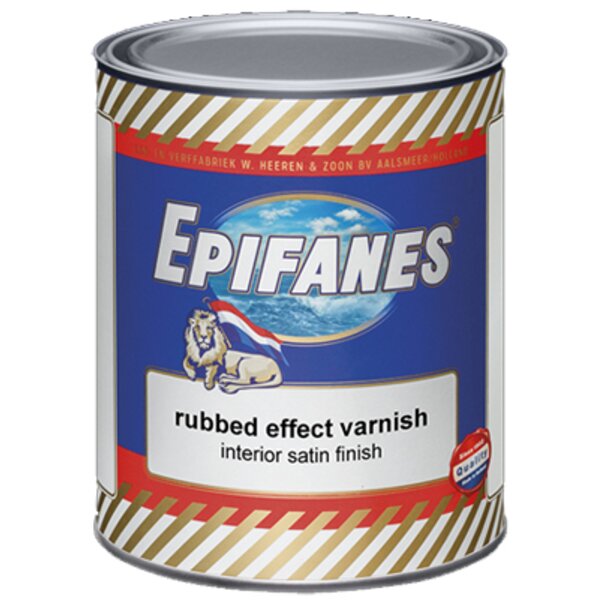
What Epifanes Rubbed Effect Varnish is and why choose it
Epifanes Rubbed Effect Varnish is a one-component, oxidative-drying interior varnish based on urethane/alkyd resins. It delivers a warm transparent amber tone with an elegant satin sheen and forms a quick-drying, scratch-resistant film. Designed as a final satin coat over high gloss varnish systems, it offers durable protection against alcohol and common household chemicals on interior woodwork.
This varnish is suitable for use over many existing one- and two-component interior varnish systems, regardless of brand, making it a versatile choice for both new work and maintenance.
Main features
- One-component interior system: Oxidative-drying urethane/alkyd resin varnish.
- Satin rubbed effect: Provides a pleasant warm satin finish on interior wood surfaces.
- Durable protection: Scratch-resistant with protection against alcohol and other household chemicals.
- Versatile overcoating: Can be applied over existing intact one- and two-component interior satin or gloss varnish systems, including other brands.
- Warm appearance: Transparent amber colour enhances woods such as mahogany, meranti, Oregon pine and plywood.
- Compatible with Epifanes gloss systems: Intended as the satin finishing coat over Epifanes Clear Varnish, Woodfinish Gloss or Rapidclear on interior woodwork.
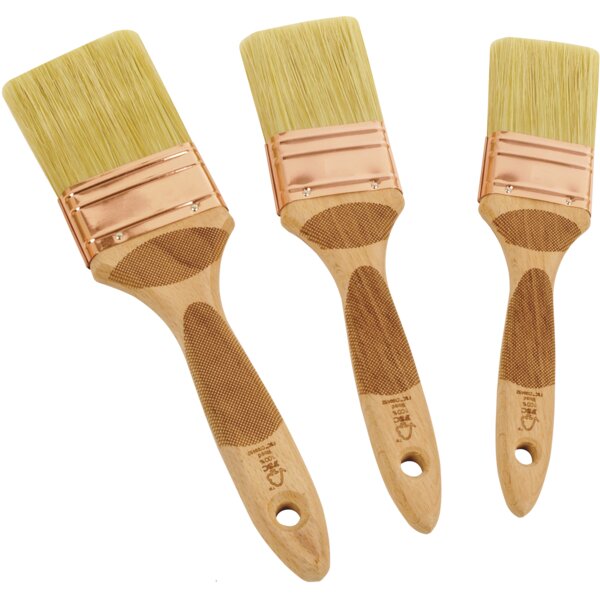
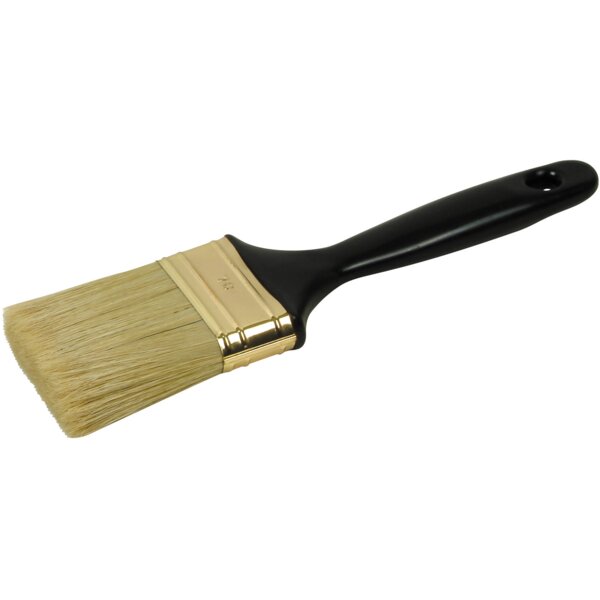
- Brush or spray application: Best applied with a soft, long-haired brush or conventional air spray.
- Good coverage: Up to 15 m² per litre at 30 µm dry film thickness depending on surface and application conditions.
Technical specifications
- Product type: Oxidative drying one-component interior varnish
- Base: Urethane/alkyd resin
- Colour: Transparent amber
- Gloss level: Satin
- Density at 20°C: 0.910 g/cm³
- Viscosity: 45 seconds ISO-cup 4 mm; 100 seconds DIN-cup 4 mm
- Solids contents: 44 ± 2 vol. %
- VOC level (technical datasheet): 467 g/l
- Recommended wet film thickness per coat: 70 µm (approx. 30 µm dry)
- Theoretical coverage (technical datasheet): 15 m² per litre at 30 µm dry film thickness
- Theoretical coverage (product information sheet): 13 m² per litre at 35 µm dry film thickness
- Packaging: 500 ml, 1000 ml, 5000 ml
- Shelf life: Approx. 3 years in tightly closed, unopened container stored in a dry/dark location between 5–30°C (5–25°C in product information sheet)
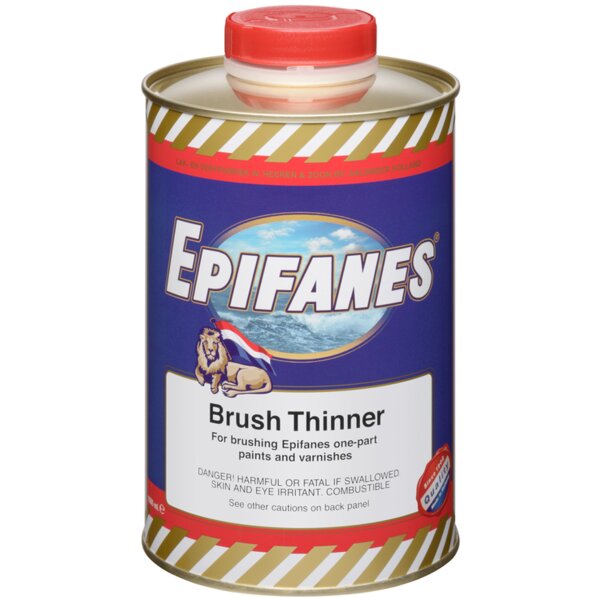
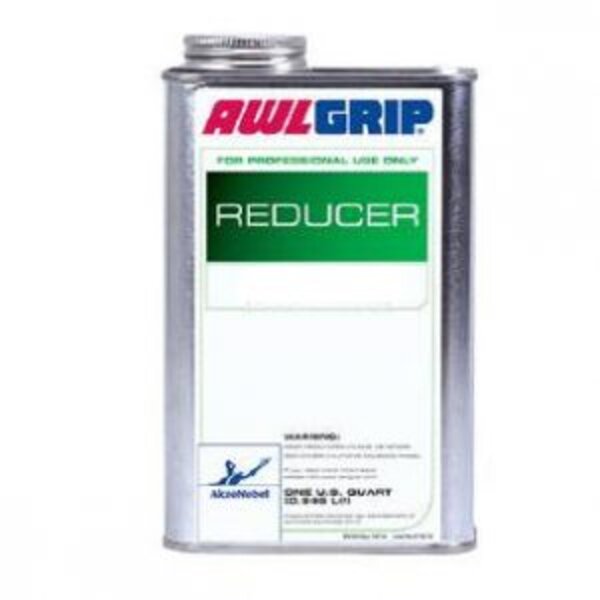
- Thinner for brush application: Epifanes Brushthinner for Paint & Varnish or good quality white spirit
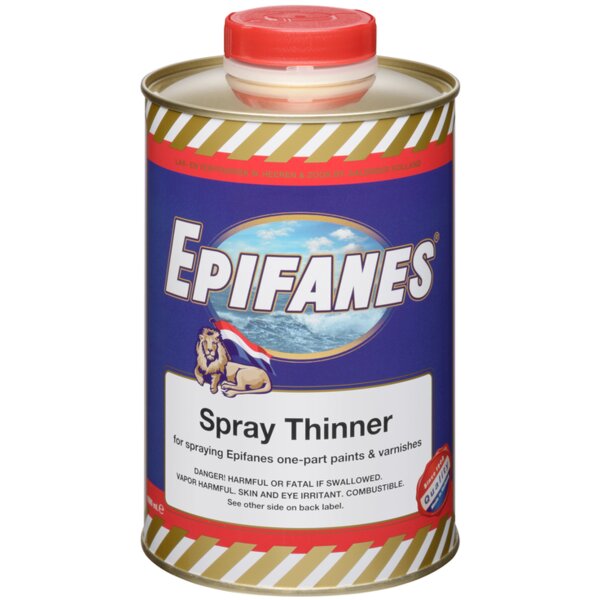
- Thinner for spray application: Epifanes Spraythinner for Paint & Varnish or denatured alcohol
- Flash point: 41°C
- Ignition temperature: 240°C
- Explosion limits: 0.6–7.0 vol %
Drying and overcoating times (approximate)
At 65% relative humidity and 30–35 µm dry film thickness:
- At 10°C: Dust dry 3 h; sandable 24 h; recoatable 24 h
- At 15°C: Dust dry 2 h; sandable 18 h; recoatable 18 h
- At 20°C: Dust dry 1 h; sandable 12 h; recoatable 12 h
- At 25°C: Dust dry 45 min; sandable 10 h; recoatable 10 h
Drying times depend on temperature, film thickness and ventilation. Higher wet film thickness and poor ventilation will increase drying times, especially on horizontal surfaces.
Applications and use cases
Field of application
- Finishing satin coat over several build-up high gloss coats of Epifanes Clear Gloss Varnish, Woodfinish Gloss or Rapidclear on interior woodwork.
- Interior wood species: Suitable for mahogany, meranti, Oregon pine and plywood.
- Maintenance varnish: For intact existing interior satin varnishes (one- and two-component), regardless of brand.
New interior varnish system (example on mahogany)
- Penetrating coat: 1 x Epifanes Clear Varnish, thinned 25–50% with Epifanes Brushthinner for Paint & Varnish. Dry 24 h at 18°C, sand P220 dry.
- Second grain-filling coat: 1 x Epifanes Clear Varnish, thinned 10–25%. Dry 24 h at 18°C, sand P280 dry.
- Third grain-filling coat: 1 or more coats Epifanes Clear Varnish, thinned 0–5%. Dry 24 h at 18°C, sand P280–P320 dry or Scotch-Brite.
- Finishing satin coats: 1–2 coats Epifanes Rubbed Effect Varnish, thinned 0–5%. Dry 12 h at 18°C between coats, sand P400 wet or Scotch-Brite by hand along the grain.
On open-pore wood more gloss build-up coats may be needed to fully fill the grain before applying the satin finish.
Application conditions
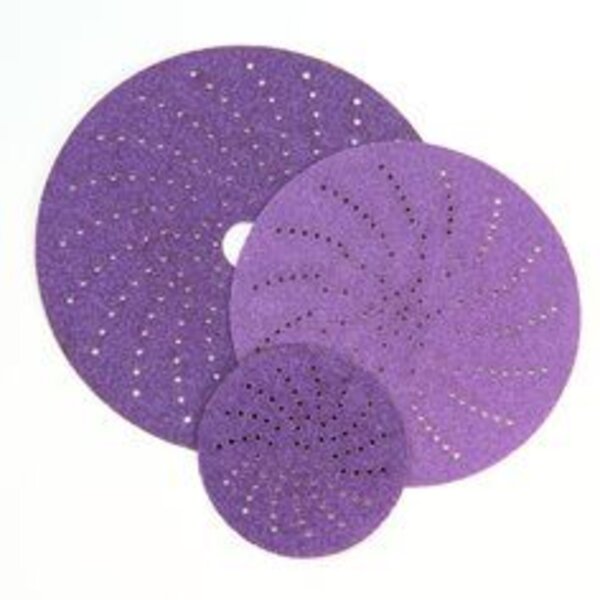
- Substrate preparation (new high gloss system): Clean the previously applied high gloss varnish and sand with P240 before applying 2 coats of Rubbed Effect Varnish.
- Substrate preparation (existing system): Clean, degrease and sand intact varnish with P220–P240. Lightly thin the first Rubbed Effect Varnish coat to improve adhesion and apply 2 coats.
- Temperature during application: Minimum 8°C, maximum 28–30°C.
- Relative air humidity: Minimum 50%, maximum 75–85%.
Application methods
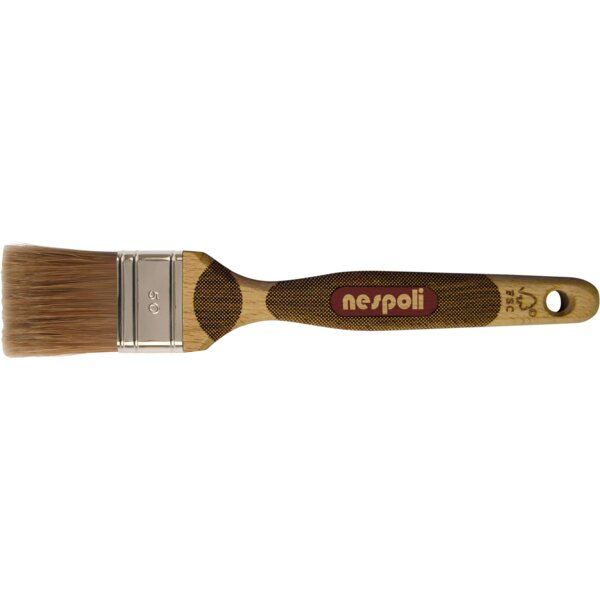
- Brush: Use a soft, long-haired brush (oval or full style). Recommended thinning 0–5% with Epifanes Brushthinner for Paint & Varnish.
- Conventional air spray: Thinning 10–15%; nozzle 1.2–1.8 mm; pressure 2–3 bar; viscosity 20–24 seconds DIN-cup 4 mm.
General application recommendations
- Stir well before use.
- Do not overbrush and do not apply wet-on-wet.
- Apply an even, sufficiently thick wet film, but avoid excessive film build to prevent curtains and drying problems.
- Distribute the varnish evenly and tip off along the wood grain; avoid retipping.
- Avoid varnishing in direct sunlight, strong wind or large temperature differences between product, surface and working area.
- If the varnish pulls and is difficult to apply, up to 10% thinner may be added.
- Always sand between coats by hand along the grain (typically P400 wet or Scotch-Brite between satin coats).
FAQ
1. What type of product is Epifanes Rubbed Effect Varnish?
It is a one-component, oxidative-drying interior varnish based on urethane/alkyd resins, designed to give a satin rubbed effect finish.
2. Where should this varnish be used?
It is intended for interior woodwork such as mahogany, meranti, Oregon pine and plywood, either as a final satin coat over Epifanes gloss systems or for maintenance of intact interior satin varnish systems.
3. Can it be applied over other brands of varnish?
Yes, it can be used for maintenance on intact existing one- and two-component interior satin varnishes regardless of brand, provided they are well cleaned, degreased and sanded with about P220.
4. Is Epifanes Rubbed Effect Varnish suitable as a first coat on bare wood?
No. On bare wood it should follow several high gloss build-up coats (for example Epifanes Clear Varnish) which fill the grain and provide UV protection before the satin finish is applied.
5. How many coats of Rubbed Effect Varnish are recommended?
Generally 1–2 coats as the final satin finish over a properly built-up gloss system.
6. What is the approximate drying time between coats at 20°C?
At around 20°C and 65% relative humidity, Epifanes Rubbed Effect Varnish is dust dry in about 1 hour and can typically be sanded and recoated after about 12 hours.
7. Which tools are recommended for application?
A soft, long-haired brush (oval or full style) or conventional air spray equipment is recommended. Application by roller is not advised.
8. What is the theoretical coverage?
Depending on film thickness and conditions, theoretical coverage is about 15 m² per litre at 30 µm dry or 13 m² per litre at 35 µm dry.
9. How should the product be stored?
Store in a tightly closed container in a dry or dark location between 5°C and 25–30°C. Under these conditions, the shelf life is approximately 3 years.
10. Is this product flammable?
Yes. It is classified as a flammable liquid (Flam. Liq. 3, H226) with a flash point of about 41°C and should be kept away from heat, sparks, open flames and hot surfaces.
Section 14 – Transport information
- UN number: UN1263
- UN proper shipping name: Paint
- Transport classification: Class 3, flammable liquids (DOT, ADR, IMDG, IATA)
- Packing group: III
- Marine pollutant: No
- Special precautions for user: Warning: flammable liquids
- ADR hazard identification number (Kemler code): 30
- IMDG EMS code: F-E, S-E
- DOT quantity limitations: On passenger aircraft/rail 60 L; on cargo aircraft 220 L
- Excepted quantities (ADR/IMDG): Code E1, max. 30 ml per inner packaging and 1000 ml per outer packaging
- Limited quantities (IMDG): 5 L
Section 8 – Personal protective measures
- Ventilation: Ensure good ventilation or exhaust at the workplace. Use only outdoors or in a well-ventilated area.
- Respiratory protection: With adequate ventilation respiratory protection is generally not necessary; if ventilation is insufficient, use a suitable AX-type filter respirator.
- Hand protection: Wear protective gloves resistant to the product, such as nitrile rubber or chloroprene gloves. The glove material should be impermeable and selected with regard to penetration time and degradation as advised by the glove manufacturer.
- Eye protection: Use tightly sealed safety goggles.
- Skin and body protection: Wear suitable protective clothing as needed to avoid skin contact.
- General hygiene measures: Remove soiled or contaminated clothing immediately and wash hands before breaks and after work.
- Avoid inhalation: Do not breathe vapours, spray mist or aerosols.
*Contenido generado por IA