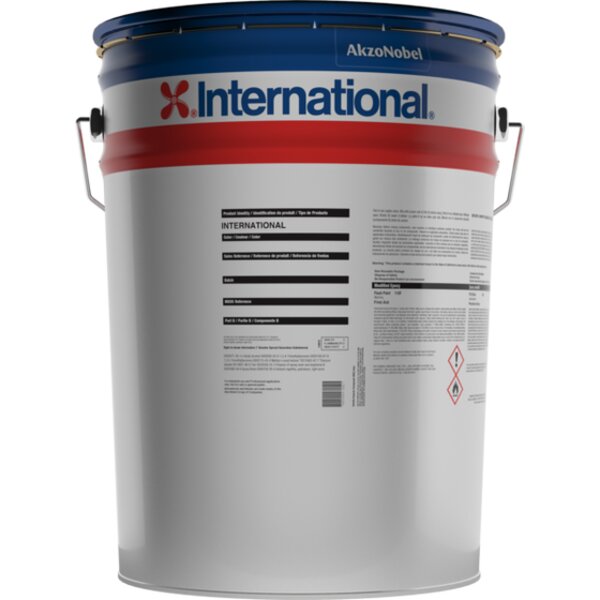
What is Intergard 276 Part A Indivisible Kit and why choose it?
Intergard 276 is a two-pack epoxy primer, undercoat and tie-coat designed for marine environments. When mixed with its dedicated curing agent (Part B EGA089), it provides a matt epoxy coating for dry internal spaces such as accommodation areas and engine rooms, and for above-water steel surfaces. It is used both as a primer on prepared internal steelwork and as an intermediate undercoat/tie-coat between anticorrosive primers and a wide range of finishing topcoats.
This coating offers controlled film build, good coverage and compatibility with common marine epoxy and polyurethane systems. It is certified for fire resistance under the Marine Equipment Directive when part of an approved scheme, making it suitable for safety-critical shipboard areas.
Main features
- Two-component epoxy system: Part A base and Part B curing agent (EGA089) mixed 4:1 by volume for reliable curing.
- Multi-purpose role: Functions as a primer on internal steel and as an undercoat/tie-coat between anticorrosive primers and topcoats.
- Marine-focused formulation: Intended for dry internal spaces (accommodation, engine room) and above-water areas on marine structures.
- Matt finish: Provides an even, low-sheen surface that promotes adhesion of subsequent coats.
- Efficient coverage: Theoretical coverage of 11.75 m²/litre at 40 microns dry film thickness, subject to practical losses.
- Fire resistance certification: Marine Equipment Directive compliant for fire resistance when used in an approved system.
- Spray application: Optimised for airless and conventional spray; brush and roller recommended only for small areas and touch-up.
- Versatile colour options: System available in EGA080 White, EGA081 Blue and EGA085 Grey (this Part A is White).
Technical specifications
- Product type: Two-pack epoxy primer / undercoat / tie-coat.
- Brand: International Marina (AkzoNobel).
- Part A name: Intergard 276 White Part A (SDS code EGA080).
- Curing agent (Part B): EGA089.
- Mix ratio: 4 volumes Part A : 1 volume Part B.
- Finish: Matt.
- Available colours in system: EGA080 White, EGA081 Blue, EGA085 Grey.
- Volume solids: 47% ± 2% (ISO 3233:1998).
- Typical film thickness: 40 microns dry (85 microns wet).
- Theoretical coverage: 11.75 m²/litre at 40 microns dry film thickness (allow for loss factors on site).
- Application methods: Airless spray; conventional spray. Brush or roller suitable for small areas only, multiple coats may be required to achieve specified film thickness.
- Airless spray guidance: Tip size 0.38–0.53 mm (15–21 thou); fluid pressure at tip not less than 176 kg/cm² (2500 psi).
- Induction time: 15 minutes at temperatures below 25°C after mixing.
- Pot life (mixed product):
- 5°C: 20 hours
- 10°C: 16 hours
- 25°C: 8 hours
- 35°C: 3 hours
- Drying times (typical):
- Touch dry (ISO 9117/3:2010): 45 min at 5°C; 40 min at 10°C; 30 min at 25°C; 20 min at 35°C.
- Hard dry (ISO 9117-1:2009): 24 h at 5°C; 20 h at 10°C; 12 h at 25°C; 12 h at 35°C.
- Overcoating intervals with Intergard 740 (min/max):
- 5°C: 24 h / 6 months
- 10°C: 15 h / 6 months
- 25°C: 6 h / 6 months
- 35°C: 6 h / 3 months
- Overcoating intervals with Interthane 990 (min/max):
- 5°C: 24 h / 14 days
- 10°C: 15 h / 14 days
- 25°C: 6 h / 14 days
- 35°C: 6 h / 7 days
- Flash point (typical): Part A 23°C; Part B 26°C; mixed product 23°C.
- Minimum curing temperature: Product will not cure adequately below 5°C; for maximum performance ambient curing temperatures should be above 10°C.
- Indicated VOC values (as supplied):
- 446 g/L (EPA Method 24).
- 293 g/kg of liquid paint (EU Solvent Emissions Directive 1999/13/EC).
- 415 g/L (Chinese National Standard GB23985).
- Thinner: International GTA220 (thinning normally not required; 15–25% recommended over inorganic zinc silicate primers to avoid pin-holing, subject to local legislation).
- Cleaner: International GTA822.
- Unit size: Typical kit 20 L (Part A 16 L in 20 L can; Part B 4 L in 5 L can). Other unit sizes: Consultar ficha técnica del fabricante.
- Typical shipping weight (20 L unit): 33.02 kg.
- Shelf life: Minimum 12 months at 25°C, in dry, shaded storage away from heat and ignition; subject to re-inspection thereafter.
Applications and use cases
As a primer for internal steelwork
- For dry internal spaces such as accommodation areas and engine rooms.
- All surfaces must be clean, dry and free from contamination.
- Remove weld spatter and smooth weld seams and sharp edges.
- Clean welds and damaged shop primer by:
- Grit blasting to Sa2 (ISO 8501-1:2007), or
- Power tooling to Pt3 (JSRA SPSS:1984) or St3 (ISO 8501-1:2007).
As an undercoat / tie-coat
- Applied over compatible anticorrosive primers in above-water areas.
- Acts as a tie-coat between epoxy anticorrosive systems and a wide range of topcoats such as Intergard 740 and Interthane 990.
- Primer surface must be clean, dry and free from contamination.
- Areas of breakdown or damage should be prepared to the specified standard, e.g. Sa2½ (ISO 8501-1:2007).
- Intergard 276 must be applied within the published overcoating intervals of the underlying primer.
- Over inorganic zinc silicate primers, thin Intergard 276 by 15–25% with International GTA220 to reduce pin-holing.
Recommended application conditions
- Apply in good weather with the steel temperature at least 3°C above the dew point.
- For optimum properties, bring the mixed material to 21–27°C before application (unless otherwise specified).
- Do not apply or cure below 5°C; for best performance, ambient temperature should exceed 10°C.
- Maintain unmixed material in closed containers under dry, shaded, protected storage conditions.
FAQ
-
What is Intergard 276 Part A Indivisible Kit used for?
It is used as a two-pack epoxy primer for dry internal spaces (accommodation, engine room) and above-water areas, and as an undercoat/tie-coat between anticorrosive primers and compatible topcoats such as Intergard 740 and Interthane 990.
-
How do I mix Intergard 276 Part A with the curing agent?
Mix 4 volumes of Part A with 1 volume of Part B (EGA089). Agitate Part A with a power agitator, then add all of Part B and mix thoroughly. At temperatures below 25°C, allow a 15-minute induction period before application.
-
Which application methods are recommended?
The product is formulated for airless spray and conventional spray. Brush or roller can be used for small areas and touch-up, but multiple coats may be required to reach the specified film thickness.
-
What is the typical coverage rate?
The theoretical coverage is 11.75 m² per litre at 40 microns dry film thickness. Actual coverage will be lower due to application losses and surface profile.
-
How long can I use the mixed paint?
Pot life depends on temperature: about 20 h at 5°C, 16 h at 10°C, 8 h at 25°C and 3 h at 35°C. Do not use the material once pot life is exceeded.
-
When can I overcoat Intergard 276?
Overcoating times vary with temperature and chosen topcoat. For example, with Interthane 990 at 25°C, the minimum interval is 6 hours and the maximum is 14 days. Refer to the specific overcoating table for your temperature and topcoat.
-
Is Intergard 276 suitable for underwater immersion?
The product is specified for dry internal spaces and above-water areas. For immersion service, Consultar ficha técnica del fabricante.
-
Does the product have any fire resistance certification?
Yes. When used as part of an approved scheme, Intergard 276 has Marine Equipment Directive-compliant fire resistance certification.
-
What thinner and cleaner should I use?
Use International GTA220 as thinner (not normally required; follow local VOC legislation) and International GTA822 for cleaning equipment and flushing spray lines.
-
How should leftover paint and containers be disposed of?
The product may meet the criteria for hazardous waste. Dispose of contents and containers via licensed waste contractors, in accordance with local and national regulations. The European Waste Code given is 08 01 11* (waste paint and varnish containing organic solvents or other hazardous substances).
Section 14 – Transport information
- UN number / ID number: UN1263.
- Proper shipping name: PAINT.
- Transport hazard class: Class 3 (flammable liquid).
- Packing group: III.
- Environmental hazards: Not classified as a marine pollutant in the supplied data.
- ADR/RID tunnel code: (D/E).
- IMDG emergency schedules: F-E, S-E.
- Special precautions for user: Transport within user’s premises only in closed containers that are upright and secure. Ensure that personnel transporting the product know what to do in case of an accident or spillage.
- Transport in bulk according to IMO instruments: Not applicable.
Section 8 – Individual protection measures
Intergard 276 contains flammable solvents and components classified for skin and eye irritation, skin sensitisation, respiratory irritation and specific target organ toxicity. When handling Part A, Part B and the mixed product, implement the following personal protective measures in conjunction with adequate engineering controls and ventilation.
Engineering and hygiene controls
- Use only with adequate ventilation; apply local exhaust or process enclosure to keep vapour concentrations below occupational exposure limits and lower explosion limits.
- Use explosion-proof ventilation and electrical equipment.
- Wash hands, forearms and face thoroughly after handling, and before eating, drinking or smoking.
- Contaminated work clothing should not leave the workplace and must be washed before reuse.
- Ensure eyewash stations and safety showers are close to work areas.
Eye and face protection
- Wear chemical splash goggles and/or a face shield compliant with approved standards when there is a risk of liquid splashes, spray or mist.
- If significant inhalation hazard exists, use a full-face respirator in place of goggles.
Hand protection
- Wear chemical-resistant, impervious gloves compliant with EN374 or equivalent.
- For prolonged or frequently repeated contact, use gloves providing protection class 6 (breakthrough time > 480 minutes); recommended materials: Viton or nitrile, thickness ≥ 0.38 mm.
- For brief contact only, use nitrile gloves with protection class ≥ 2 (breakthrough time > 30 minutes), thickness ≥ 0.12 mm.
- Replace gloves regularly and immediately if damaged.
Skin and body protection
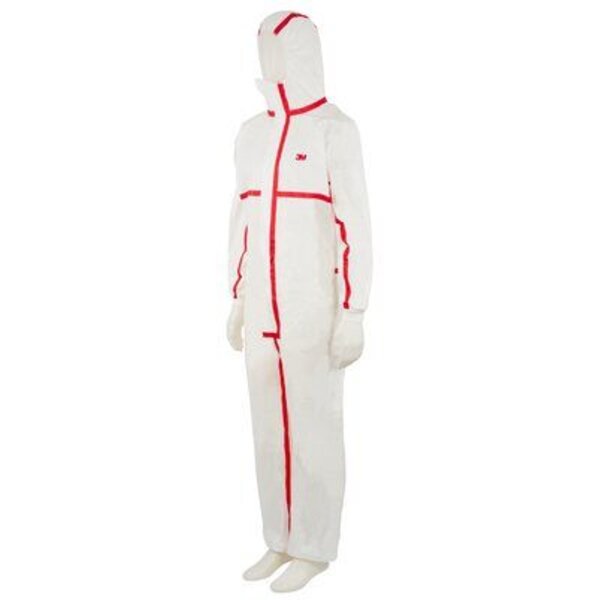
- Wear suitable protective clothing selected according to task and risk assessment.
- When there is a risk of ignition from static electricity, use antistatic protective garments (overalls, boots and gloves) compliant with EN 1149 or equivalent.
- Use appropriate protective footwear and additional skin protection as required.
Respiratory protection
- When ventilation is insufficient, wear a respirator conforming to EN140 fitted with an A/P2-type filter or better.
- Respirators must be used within a formal respiratory protection programme ensuring correct selection, fitting and training.
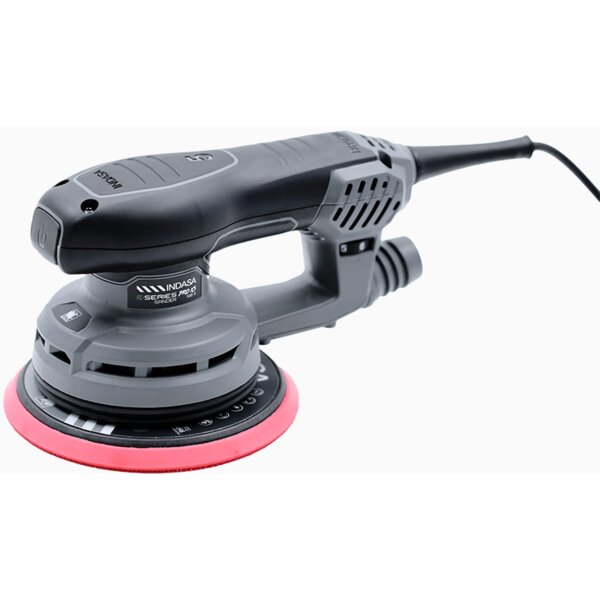
- Dry sanding, flame cutting or welding of the dry paint film can generate hazardous dust and fumes; use wet sanding where possible, and if exposure cannot be controlled by extraction, wear suitable respiratory protection.
*Contenido generado por IA