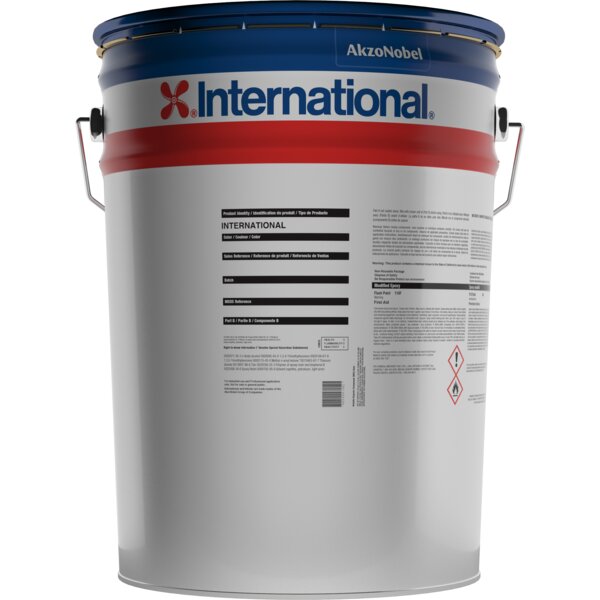
What is Intersleek 1100SR Part A and why choose it?
INTERSLEEK 1100SR PART A is the base component of an advanced fluoropolymer foul release coating system designed for the control of slime on ship hulls and other immersed marine surfaces. Used as part of the Intersleek 1100SR multi-component system, it provides a high-gloss, biocide-free silicone fluoropolymer finish that complies with the International Convention on the Control of Harmful Anti-fouling Systems on Ships, 2001 (AFS 2001). It is suitable for both newbuilding projects and maintenance and repair work where low slime adhesion and easy cleaning are required.
Main features
- Advanced fluoropolymer foul release technology specifically developed for the control of slime on immersed marine surfaces.
- Biocide-free silicone system (Foul Release Coating Type – biocide-free silicone) compliant with the International Convention on the Control of Harmful Antifouling Systems on Ships, 2001.
- High-gloss finish that contributes to a smooth, easy-to-clean surface.
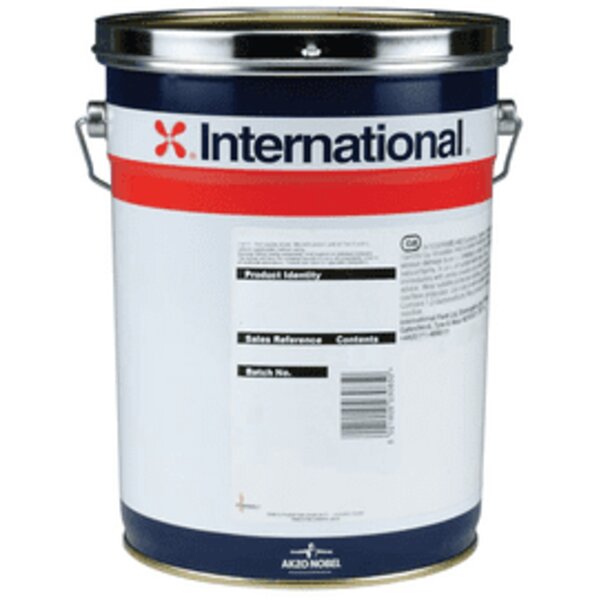
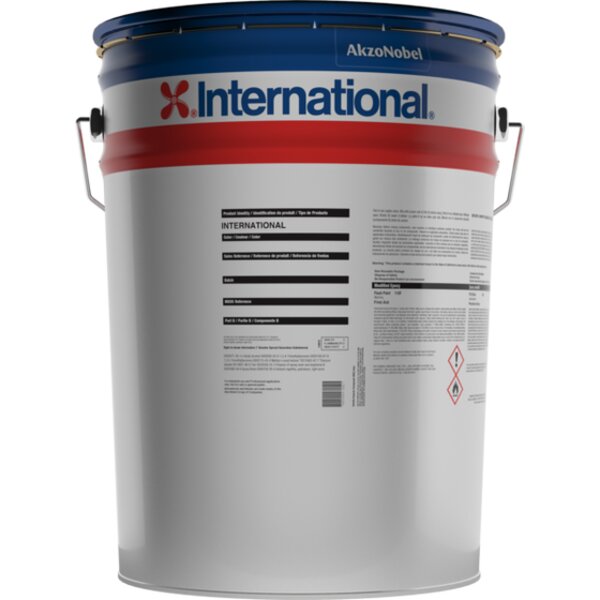
- Part of a three-pack system: Intersleek 1100SR is supplied as Part A (base), Part B (curing agent FXA993) and Part C (FXA994). Part A in this listing is supplied in white.
- High volume solids (72% ±2% by volume, ISO 3233:1998) to achieve required film thickness with fewer coats compared with lower-solids systems.
- Flexible application methods: airless spray as the primary method, with brush and roller recommended for touch-up and small areas.
- Certified by major classification societies (when used in an approved scheme) as compliant with AFS 2001, including Bureau Veritas, DNV GL, Lloyds Register and Korean Register of Shipping.
- Low VOC content with typical values of 240 g/L (EPA Method 24), 238 g/kg (EU Solvent Emissions Directive 1999/13/EC) and 252 g/L (Chinese National Standard GB23985).
Technical specifications
- Product type: Advanced fluoropolymer foul release coating (foul release, biocide-free silicone system).
- System components:
- Part A: INTERSLEEK 1100SR PART A (this product, white).
- Part B (curing agent): FXA993.
- Part C: FXA994.
- Intended uses: For use at newbuilding or in maintenance and repair.
- Colour range (system): FXA991-Grey, FXA992-Blue, FXA997-Red, FXA999-Black and a limited range of colours. Part A is also available in white as described in the safety data sheet.
- Finish/Sheen: Gloss.
- Volume solids: 72% ±2% (ISO 3233:1998).
- Typical dry film thickness (DFT): 150–200 microns.
- Typical wet film thickness (WFT): 208–278 microns (depending on specified DFT).
- Theoretical coverage: 4.80–3.60 m²/L at 150–200 microns DFT (allowing for appropriate loss factors).
- Mix ratio (by volume): 9 parts Part A : 2 parts Part B : 1 part Part C (complete units must always be mixed).
- Flash point (typical):
- Part A: 46°C
- Part B: 22°C
- Part C: 36°C
- Mixed product: 33°C
- Induction time: Not required.
- Drying and curing (mixed product, ISO methods):
- Touch dry (ISO 9117/3:2010):
- 0°C: 5 h
- 15°C: 3 h
- 25°C: 2 h
- 35°C: 60 min
- Hard dry (ISO 9117-1:2009):
- 0°C: 15 h
- 15°C: 6 h
- 25°C: 4 h
- 35°C: 2 h
- Minimum time before flooding:
- 0°C: 48 h
- 15°C: 36 h
- 25°C: 20 h
- 35°C: 17 h
- Flooding and post-docking guidance:
- The interval before flooding may be reduced to 24 hours between 5°C and 20°C, provided the ship remains at rest afloat for at least 2–3 days afterwards.
- Between 0°C and 5°C, the absolute minimum time before flooding is 48 hours and the ship must then remain at rest for at least 4 days after undocking.
- Mechanical abrasion (for example from fendering or impacts) can lead to intercoat detachment in affected areas.
- Pot life (mixed product):
- 0°C: 140 min
- 15°C: 90 min
- 25°C: 60 min
- 35°C: 30 min
- Overcoating: May be overcoated by itself, either when fresh or after prolonged immersion, provided the surface is in good, clean condition.
- Minimum substrate temperature for application: 0°C.
- Minimum relative humidity for satisfactory curing: 30% (longer cure will be required if RH falls below 30%).
- Recommended substrate conditions for application:
- Surface temperature at least 3°C above the dew point.
- Material temperature prior to mixing and during application: 21–27°C for optimum properties, unless otherwise specified.
- Application methods:
- Airless spray (recommended): tip size 0.38–0.53 mm (15–21 thou); minimum total fluid pressure at the spray tip 211 kg/cm² (3000 psi).
- Brush: for touch-up areas only; multiple coats may be required to achieve specified film thickness.
- Roller: for small areas only; multiple coats may be required to achieve specified film thickness.
- Conventional spray: not recommended.
- Thinner: Not recommended. International GTA007 may be used only in exceptional circumstances and not beyond the limits of local environmental legislation.
- Cleaner for application equipment: International GTA007 / GTA822.
- Unit sizes and packing:
- 10 L unit: Part A 7.5 L (in 10 L can); Part B 1.67 L (in 2.5 L can); Part C 0.83 L (in 1 L polyethylene container).
- 5 US gallon unit: Part A 3.75 US gal (in 5 US gal can); Part B 0.83 US gal (in 1 US gal can); Part C 0.5 US gal.
- Typical unit shipping weight: 10 L unit 12.2 kg; 5 US gal unit 48.3 lb.
- Shelf life: Minimum 12 months at 25°C, subject to re-inspection thereafter. Store in dry, shaded conditions away from sources of heat and ignition.
- VOC values (typical, as supplied):
- 240 g/L (EPA Method 24).
- 238 g/kg of liquid paint (EU Solvent Emissions Directive 1999/13/EC).
- 252 g/L (Chinese National Standard GB23985).
Applications and use cases
- Newbuild vessels: Applied as the foul release topcoat over an approved Intersleek tie coat on hulls for improved slime control.
- Maintenance and repair: Suitable for use in dockings where existing systems are upgraded to an advanced fluoropolymer foul release scheme.
- Immersed areas exposed to slime: Designed specifically for slime control on immersed marine surfaces where reduced fouling and easier cleaning are required.
Surface preparation and system compatibility
- Use in accordance with standard Worldwide Marine Specifications.
- All surfaces must be clean, dry and free from contamination.
- Perform high-pressure fresh water wash or fresh water wash and remove oil, grease, soluble contaminants and other foreign matter by solvent cleaning in accordance with SSPC-SP1.
- Intersleek 1100SR must always be applied over an Intersleek tie coat (referred to as Intersleek 737 or Intersleek 731 in some regions) within the specified overcoating interval.
FAQ
1. Is INTERSLEEK 1100SR PART A suitable for both newbuild and maintenance projects?
Yes. The technical data sheet specifies Intersleek 1100SR for use at newbuilding and for maintenance and repair.
2. Can I apply this product directly to prepared steel or existing coatings?
No. Intersleek 1100SR must always be applied over an approved Intersleek tie coat within the required overcoating interval.
3. What is the recommended application method for large areas?
Airless spray is recommended for large areas, using a 0.38–0.53 mm (15–21 thou) tip and a minimum fluid pressure of 211 kg/cm² (3000 psi) at the spray tip.
4. Can I thin INTERSLEEK 1100SR PART A?
Thinning is not recommended. International GTA007 may be used only in exceptional circumstances and must not be added beyond limits set by local environmental legislation.
5. At what temperatures can the coating be applied?
The minimum acceptable substrate temperature at application is 0°C. The surface to be coated must be at least 3°C above the dew point, and a minimum relative humidity of 30% is required for satisfactory curing.
6. How soon after application can the vessel be flooded or returned to service?
Depending on temperature, minimum times before flooding range from 48 hours at 0°C to 17 hours at 35°C. Between 5°C and 20°C this interval can be reduced to 24 hours if the ship remains at rest afloat for at least 2–3 days afterwards.
7. Can Intersleek 1100SR be overcoated with itself after immersion?
Yes. It may be overcoated by itself either when fresh or after prolonged immersion, provided the surface is in good, clean condition.
8. Does the product contain organotin biocides?
No. The product does not contain organotin compounds acting as biocides and complies with IMO document AFS/CONF/26 on harmful anti-fouling systems.
9. What should I use to clean spray equipment?
Use International GTA007 or GTA822 to thoroughly flush and clean all application equipment. Do not allow the material to remain in hoses, guns or spray equipment.
10. How should mixed units be handled during work stoppages?
Once mixed, units should not be resealed. After prolonged stoppages, it is advised to recommence work with freshly mixed units and to respect the specified pot life at the prevailing temperature.
Section 14 – Transport information
- UN number / ID number: UN1263.
- UN proper shipping name: PAINT.
- Transport hazard class: Class 3 (flammable liquid).
- Packing group: III.
- Environmental hazards: Not classified as hazardous to the environment for transport (no marine pollutant indication).
- ADR/RID:
- UN1263, PAINT, Class 3, PG III.
- Tunnel restriction code: D/E.
- Viscous liquid exception: this class 3 viscous liquid is not subject to regulation in packagings up to 450 L according to 2.2.3.1.5.1.
- IMDG:
- UN1263, PAINT, Class 3, PG III.
- Emergency schedules: F-E, S-E.
- Viscous liquid exception: not subject to regulation in packagings up to 450 L according to 2.3.2.5.
- IATA:
- UN1263, PAINT, Class 3, PG III.
- Special precautions for users: When transporting within user premises, always carry in closed, upright and secure containers. Ensure transport personnel know what to do in case of accident or spillage.
Section 8 – Individual protection measures
The following personal protection guidance is taken from the Safety Data Sheet for Intersleek 1100SR Part A. Selection of equipment must be based on a risk assessment and compliant with local regulations.
- Engineering controls:
- Use only with adequate ventilation.
- Use process enclosures or local exhaust ventilation to keep airborne contaminants below recommended or statutory limits and below lower explosive limits.
- Use explosion-proof ventilation equipment.
- Hygiene measures:
- Wash hands, forearms and face thoroughly after handling and before eating, smoking or using the lavatory.
- Remove contaminated clothing and wash before reuse.
- Ensure eyewash stations and safety showers are close to the work area.
- Eye and face protection:
- Wear safety eyewear complying with an approved standard when a risk assessment indicates potential exposure to liquid splashes, mists, gases or dusts.
- Where contact is possible, use safety glasses with side shields unless a higher level of protection is indicated.
- Hand protection:
- Wear chemical-resistant, impervious gloves complying with an approved standard whenever handling the product if indicated by the risk assessment.
- For prolonged or frequently repeated contact: use gloves with protection class 6 (breakthrough time > 480 min according to EN374). Recommended materials: Viton or nitrile, thickness ≥ 0.38 mm.
- For brief contact: use gloves with protection class 2 or higher (breakthrough time > 30 min according to EN374). Recommended material: nitrile, thickness ≥ 0.12 mm.
- Replace gloves regularly and if any damage or degradation is observed.
- Body and skin protection:
- Select protective clothing based on the task and risks, and have choices approved by a specialist before use.
- Where there is a risk of ignition from static electricity, wear anti-static protective clothing such as anti-static overalls, boots and gloves (see EN 1149 for requirements).
- Use appropriate footwear and any additional protective measures as required by the risk assessment.
- Respiratory protection:
- Based on the hazard and potential exposure, select a respirator that meets the appropriate standard or certification.
- Respirators must be used within a formal respiratory protection program to ensure correct fit and training.
- Dry sanding, flame cutting or welding of the dry film will produce dust and/or hazardous fumes; wet sanding/flatting is preferred where possible.
- If adequate local exhaust ventilation cannot prevent exposure, wear a respirator conforming to EN140 with type A/P2 filter or better.
- Environmental exposure controls:
- Emissions from ventilation or process equipment must be checked for compliance with environmental legislation.
- Where required, install fume scrubbers, filters or process modifications to reduce emissions to acceptable levels.
*Contenido generado por IA