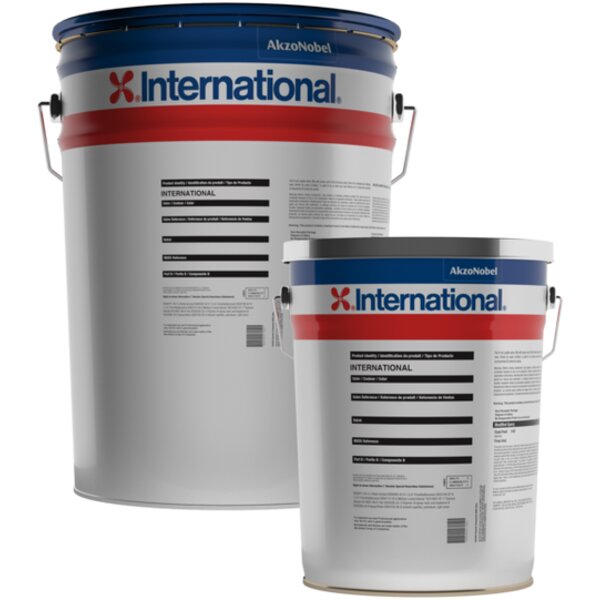
What it is and why choose it
INTERTHANE 3230HG PART A INDIVISIBLE KIT is the base component (Part A) of Interthane 3230HG, a two-component, high gloss, acrylic polyurethane primer/finish. When mixed with its curing agent (Part B), it provides a low VOC, high solids, fast curing coating pigmented with zinc phosphate for enhanced anti-corrosive performance and a durable, decorative finish.
It is specifically designed as part of the International 3200 product series for OEM environments where rapid drying, high production throughput and reliable corrosion protection are required. Typical substrates include correctly prepared steel, galvanised steel and stainless steel.
Main features
- Two-component acrylic polyurethane primer/finish with zinc phosphate pigmentation.
- High gloss finish, typically above 85 gloss units at 60° (in controlled OEM conditions).
- High volume solids (62% ± 2%) for good film build and coverage.
- Fast curing with quick handling times, even at relatively low stoving temperatures (around or below 40°C).
- Good adhesion to correctly prepared steel, galvanised steel and stainless steel.
- Lead chromate free formulation.
- Good colour and gloss retention for a long-lasting decorative appearance.
- Versatile film thickness, suitable for single or two-coat systems.
- Suitable for automated paint application and forced curing processes.
- Designed for light industrial steelwork in internal dry or low-corrosivity environments (ISO 12944 C1, C2 and C3).
Technical specifications
- Product type: Acrylic polyurethane primer/finish (Part A of a two-component system)
- Colour: Colours available on request
- Gloss level: 85+ gloss units at 60° angle (typical)
- Volume solids: 62% ± 2%
- Recommended dry film thickness (DFT): 60–100 microns (2.4–4 mils)
- Equivalent wet film thickness (WFT): 97–161 microns (3.9–6.4 mils)
- Theoretical coverage: 10.30 m²/litre at 60 microns DFT; 414 sq.ft/US gallon at 2.4 mils DFT (stated volume solids)
- Practical coverage: Allow appropriate loss factors
- Density (mixed product): 1.24 kg/l (10.3 lb/gal)
- VOC: 333 g/kg (EU Solvent Emissions Directive, Council Directive 2010/75/EU)
- Flash point (typical): Part A 34°C (93°F); Part B 50°C (122°F); Mixed 35°C (95°F)
- Mix ratio (by volume): 6 parts Base (Part A) : 1 part Curing Agent (Part B)
- Working pot life after mixing:
- 15°C (59°F): 7 hours
- 25°C (77°F): 4 hours
- 40°C (104°F): 2 hours
- Drying and overcoating (with itself):
- 15°C (59°F): Touch dry 2.5 hours; hard dry 10 hours; minimum overcoat 10 hours; maximum overcoat extended
- 25°C (77°F): Touch dry 90 minutes; hard dry 6 hours; minimum overcoat 6 hours; maximum overcoat extended
- 40°C (104°F): Touch dry 60 minutes; hard dry 3 hours; minimum overcoat 3 hours; maximum overcoat extended
- 60°C (140°F): Touch dry 50 minutes; hard dry 90 minutes; minimum overcoat 90 minutes; maximum overcoat extended
- Substrate temperature: At least 3°C (5°F) above the dew point
- Recommended substrate profile (steel): 40–60 microns (1.6–2.4 mils); 20–30 microns (0.8–1.2 mils) may be used for improved aesthetics
- Application methods: Airless spray, air assisted airless spray, conventional air spray (pressure pot), plural component airless spray, brush and roller (small areas)
- Typical achievable DFT by brush/roller: 50–75 microns (2.0–3.0 mils)
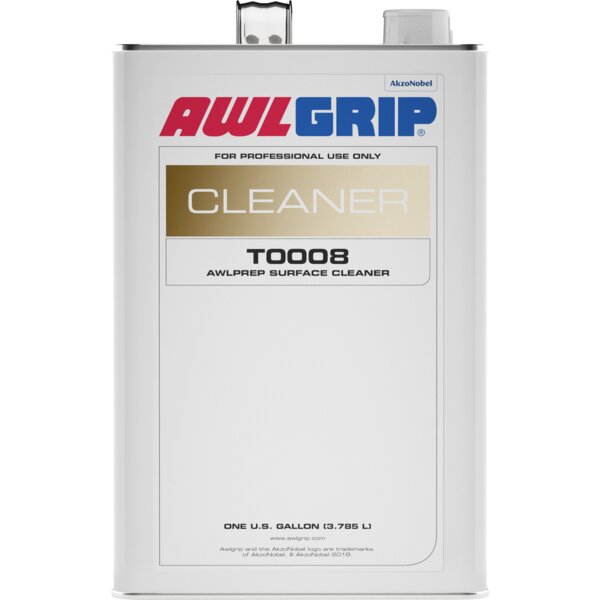
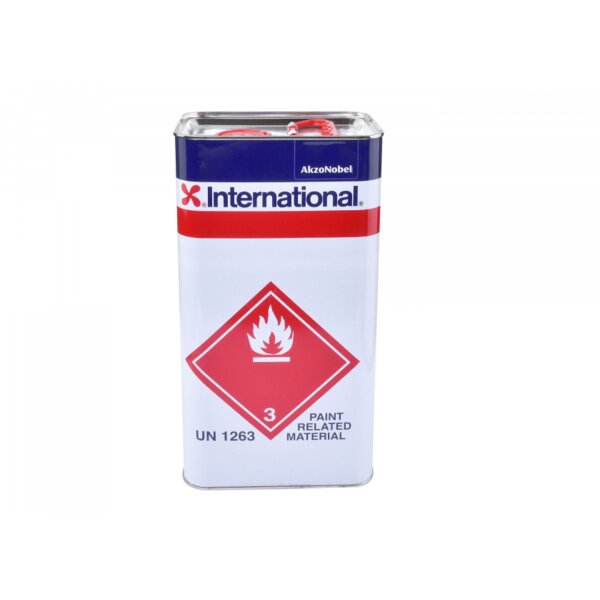
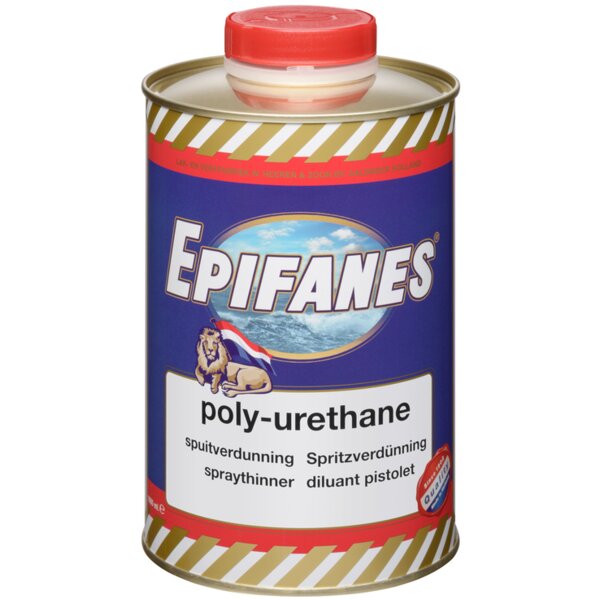
- Recommended thinner/cleaner: International GTA713 (do not thin more than allowed by local environmental legislation)
- Pack size (this kit, Part A): 20 litre unit – Part A 17.14 litre in a 20 litre can
- Typical shipping weight (Part A, 20 litre): 23.5 kg
- Shelf life: Minimum 12 months at 25°C (77°F), subject to re-inspection thereafter; store in dry, shaded conditions away from sources of heat and ignition
Applications and use cases
Typical industrial uses
- Construction and mining heavy machinery
- Agricultural equipment
- Railcars and other rail transportation vehicles
- General transportation vehicles
- Material handling and lifting equipment
- Pumps, valves and gear units
- Other small motors and machinery
- Light industrial steelwork in internal dry environments
- Exposed steelwork in low corrosivity environments (ISO 12944 C1, C2 and C3)
Suitable substrates
- Correctly prepared carbon steel (including abrasive blast cleaned or phosphate washed steel)
- Stainless steel, galvanised steel and aluminium (after suitable cleaning and surface profiling)
- Appropriately primed surfaces within the specified overcoating interval
Surface preparation overview
- Steel: Abrasive blast to a minimum of Sa2½ (ISO 8501-1:2007) or SSPC-SP6. Repair any surface defects revealed by blasting.
- Stainless, galvanised steel and aluminium: Remove dirt and oil by solvent or suitable detergent cleaning followed by thorough water rinsing, then sand or sweep blast to a standard similar to ISO 8501-1:2007 Sa1 or SSPC SP7 to create a surface profile.
- Primed surfaces: Ensure the primer is dry and clean; repair breakdown or damage and patch prime before applying Interthane 3230HG.
System compatibility
- Can be applied directly to abrasive blast cleaned steel.
- For improved anti-corrosive performance, the following primer is recommended: Intergard 3210.
- May be overcoated with:
- Interthane 3230G
- Interthane 3230HG
- Interthane 3230M
- Interthane 3230SG
FAQ
1. What type of coating system is Interthane 3230HG?
It is a two-component, acrylic polyurethane primer/finish designed to function as a single- or two-coat system for industrial steelwork and machinery.
2. On which substrates can it be applied?
It can be applied to correctly prepared steel, galvanised steel, stainless steel, aluminium and suitably primed surfaces, following the specified surface preparation procedures.
3. What film thickness is recommended?
The recommended dry film thickness is 60–100 microns (2.4–4 mils), corresponding to 97–161 microns (3.9–6.4 mils) wet.
4. Is Interthane 3230HG suitable for fast production lines?
Yes. It is specifically suited to rapid drying and fast handling, helping to maximise production throughput, particularly in automated application and forced curing processes.
5. What environments is it suitable for?
It is most suitable for light industrial steelwork in internal dry environments and exposed steelwork in low corrosivity environments corresponding to ISO 12944 C1, C2 and C3.
6. How should the product be mixed?
Mix one complete unit in the supplied proportions: 6 parts Base (Part A) to 1 part Curing Agent (Part B) by volume, using a power agitator for thorough mixing.
7. What is the pot life after mixing?
Pot life is approximately 7 hours at 15°C, 4 hours at 25°C and 2 hours at 40°C.
8. Which application methods are recommended?
Recommended methods are airless spray, air assisted airless spray, conventional air spray (pressure pot) and plural component airless spray. Brush and roller are suitable for small areas.
9. What thinner and cleaner should be used?
International GTA713 is recommended both as thinner (within local environmental limits) and as cleaner for equipment.
10. Does early exposure to water affect performance?
Premature exposure to ponding water may cause a permanent colour change; this is cosmetic only and does not affect the anti-corrosive protection.
Transport information
Consultar ficha técnica del fabricante.
Individual protection measures (Section 8)
- This product is intended for use only by professional applicators in industrial situations.
- All work must be carried out in compliance with relevant national Health, Safety and Environmental regulations.
- When welding or flame cutting on metal coated with this product, dust and fumes will be emitted; use appropriate personal protective equipment and ensure adequate local exhaust ventilation.
- For spray application, an air-fed hood must be worn because the product contains isocyanate.
*Contenido generado por IA