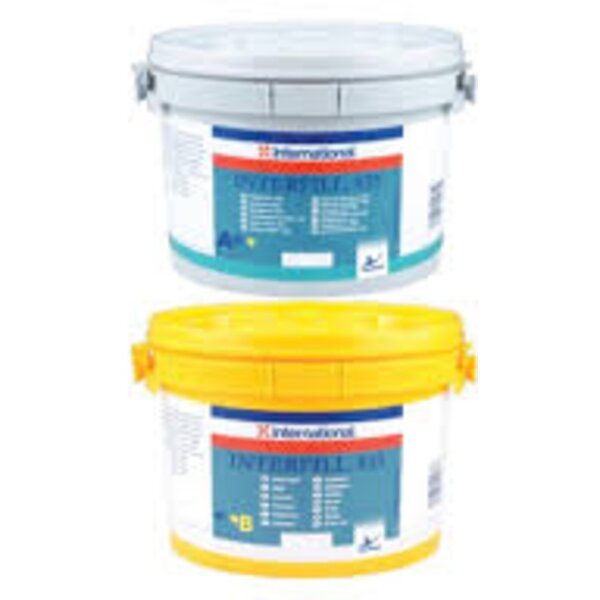
What WATERTITE is and why choose it
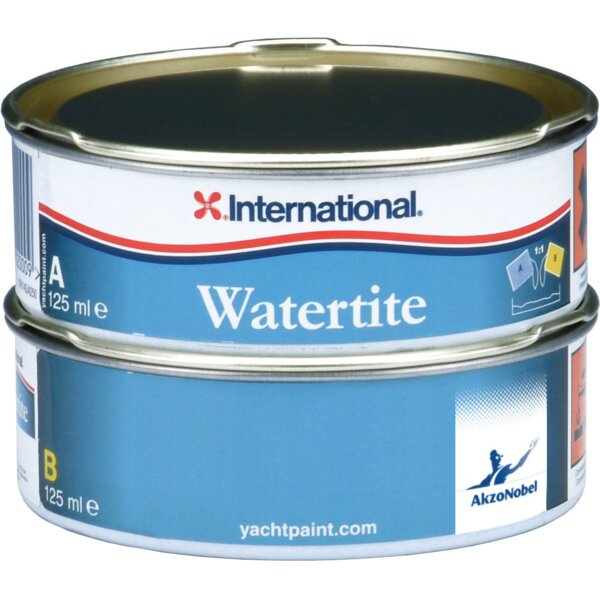
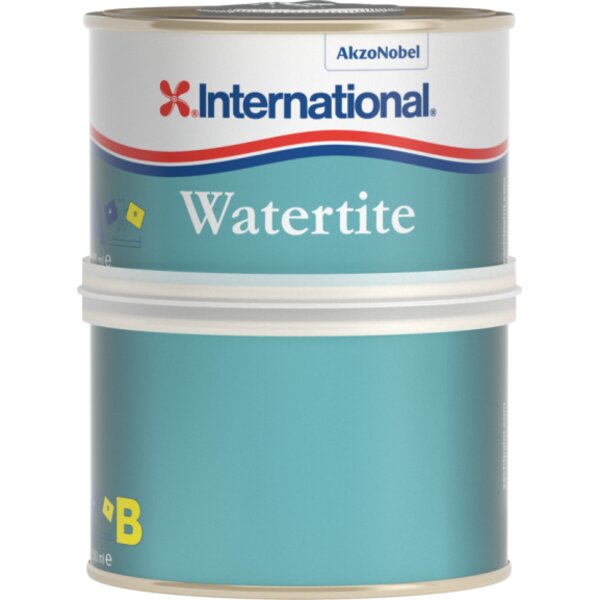
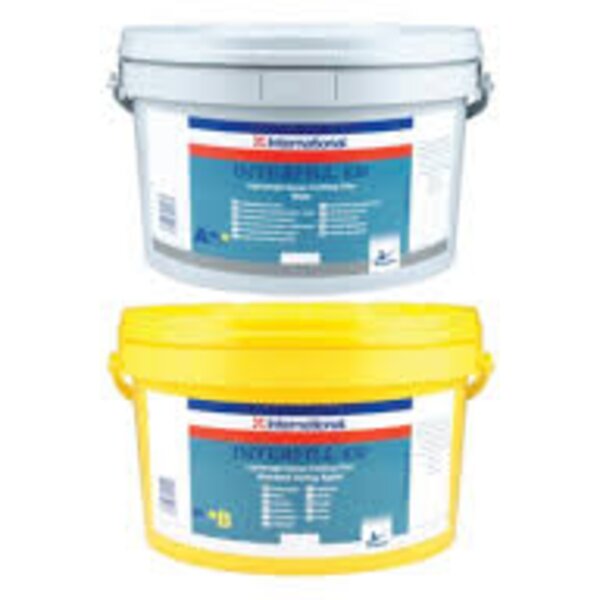
WATERTITE from International Náutica is a two-component, quick-drying epoxy filler designed for demanding marine and industrial repairs. It is suitable for GRP/GRP (fiberglass), metals and rigid wood constructions and can be used both above and below the waterline. Its non-shrinking, highly water-resistant formulation makes it particularly suitable for osmosis damage repairs and for fairing and levelling underwater hulls.
Thanks to its simple 1:1 mixing ratio and the ability to fill up to 20 mm in a single application without sagging, WATERTITE combines professional performance with easy, reliable use in the yard or workshop.
Main features
- Two-component epoxy filler for GRP, metals and rigid wood.
- Use above and below the waterline, ideal for hulls and underwater areas.
- Highly water-resistant and non-shrinking, recommended for osmosis damage repairs.
- High strength and adhesion on correctly prepared substrates and primers.
- Can be applied up to 20 mm thickness in one pass without sagging.
- Very fast drying: sandable from 1.5 to 12 hours depending on temperature (approx. 10–35°C).
- Simple 1:1 mixing ratio by volume for easy and accurate component measurement.
- Fine, smooth consistency that sands easily to a fair surface (where specified).
- Can be overcoated with International epoxy primers and undercoats such as Gelshield 200, Interprotect, One UP, Perfection Undercoat, Primocon, VC Tar2, Yacht Primer and additional WATERTITE.
- Low VOC (0 g/l as supplied).
Technical specifications
- Product type: Epoxy filler (two-component).
- Colour: Light Blue (code YAV137).
- Finish: Matt.
- Specific gravity: 1.14.
- Volume solids: 100%.
- Mix ratio: 1:1 by volume (as supplied).
- Base product code: YAV334.
- Curing agent (converter): YAA442.
- Typical shelf life: 2 years.
- VOC (as supplied): 0 g/l.
- Unit sizes: 250 ml and 1 L.
- Theoretical coverage: approx. 0.2 m²/L at 5000 microns WFT.
- Recommended DFT/WFT per coat: ≤ 20,000 microns.
- Number of coats: As required.
Drying and pot life (typical)
- Sandable:
- 10°C: 12 hours
- 15°C: 8 hours
- 25°C: 4.5 hours
- 35°C: 1.5 hours
- Pot life (mixed product):
- 10°C: 75 minutes
- 15°C: 45 minutes
- 25°C: 25 minutes
- 35°C: 10 minutes
Temperature and film thickness limits
- Application temperature (product): 10–35°C.
- Ambient temperature: 7–35°C.
- Substrate temperature: 7–35°C.
- Maximum thickness per application: 20 mm (2.0 cm). Do not exceed this thickness in a single layer.
- Do not use below: 7°C.
Applications and use cases
Typical substrates
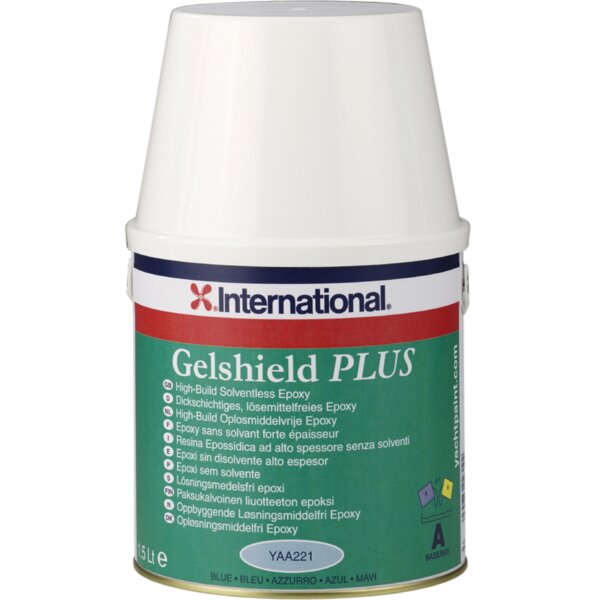
- GRP/epoxy laminates: including osmosis repair schemes (use Gelshield Plus then an epoxy primer before WATERTITE where specified).
- Metals: steel, aluminium, zinc/galvanised steel, lead (over appropriate International primers).
- Rigid wood and plywood (over suitable International primers).
- Previously painted surfaces in good or poor condition, after correct preparation.
Recommended priming (summary)
Always ensure the surface is clean, dry and correctly sanded before priming. WATERTITE can be applied over most International 1-pack and 2-pack primers, provided they are properly sanded (typically minimum P280) and fully cured.
- Previously painted surfaces above water: Wash with detergent, rinse with fresh water, allow to dry, sand with 220–280 grit, clean and pre-prime with the appropriate International primer.
- Previously painted surfaces below water: Remove fouling and contamination, including the leached antifouling layer. Use high-pressure fresh water (approx. 3000 psi / 207 bar) and/or scraping and wet sanding with approx. 80–120 grit. Do not dry sand. Seal incompatible or unknown antifouling with a suitable International barrier/sealer and re-prime as necessary.
- Bare wood/plywood: Sand smooth with 80–180 then 280 grit, remove sanding dust and allow solvents to evaporate before priming with a suitable International primer.
- Steel: Degrease; gritblast to Sa 2½ (near white metal) or mechanically grind with 24–36 grit to a clean, bright, well-roughened surface (anchor pattern 50–75 microns). Prime as soon as possible (within 8 hours) with the recommended International primer.
- Aluminium: Degrease; sand with 24–120 grit aluminium-compatible paper (coarser grades preferred). Prime within 8 hours with the recommended International primer.
- Zinc/galvanised steel: Degrease; sand with 60–120 grit, clean and prime within 8 hours with a recommended International primer.
- GRP/epoxy: Degrease; sand with 180–220 grit, clean and pre-prime with an International primer suitable for the system. For osmosis treatment, use Gelshield Plus before the first epoxy primer coat.
- Lead: Degrease; sand with 120 grit or power wire brush, clean and prime within 8 hours with a recommended International primer.
Application method
- Mixing: Combine the two components in a 1:1 volume ratio and mix thoroughly until a completely even colour is obtained.
- Application tools: Palette knife or spreader (spatula).
- Application: Remove all dust from the prepared, primed surface. Apply WATERTITE firmly with a spreading action, filling to slightly above the level of the surrounding area to allow for sanding back.
- Sanding: When hardened, sand smooth with 80–220 grit wet or dry paper. If the filler is left for more than 24 hours before overcoating, sand again with 80–220 grit to ensure good mechanical key.
- Large areas: Sand with paper fixed to a long board approximately twice the length of the repair to follow the hull curvature.
- Small areas: Sand using a hand sanding block.
- Thinning: Do not thin.
- Cleaning solvent: YTA061 International Epoxy Thinner No. 7.
Environmental and application conditions
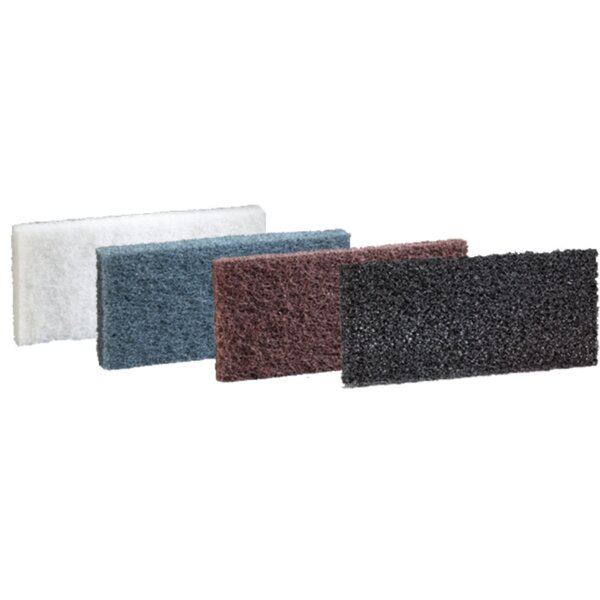
- Avoid cold, damp conditions; they can cause surface stickiness or a rigid film which should be removed with water and a 3M Scotchbrite pad or by sanding.
- Do not apply on undercured GRP laminates. Allow them to fully cure, then abrade before applying WATERTITE.
- WATERTITE continues to harden over time, so sanding is easier when done as soon as the product becomes sandable.
FAQ
1. On which materials can WATERTITE be used?
WATERTITE is suitable for use on GRP/epoxy, steel, aluminium, zinc/galvanised steel, lead, rigid wood/plywood and previously painted surfaces, provided they are correctly prepared and primed with compatible International primers.
2. Can I use WATERTITE below the waterline?
Yes. The product is specifically described for use above and below the waterline and is highly water-resistant, making it suitable for underwater hull and osmosis repairs when used within the complete International system.
3. What is the maximum thickness I can apply in one go?
You can apply WATERTITE up to a maximum of 20 mm (2.0 cm) thickness in a single application. Do not exceed this thickness.
4. How long do I have to work with the mixed filler?
Pot life ranges from about 75 minutes at 10°C to 10 minutes at 35°C. Always mix only the quantity you can apply within the stated pot life at your working temperature.
5. When can I sand the filler?
Approximate sanding times are 12 hours at 10°C, 8 hours at 15°C, 4.5 hours at 25°C and 1.5 hours at 35°C. If the filler cures for more than 24 hours, sand again with 80–220 grit to ensure good adhesion for subsequent coats.
6. Do I need to prime before using WATERTITE?
Yes. WATERTITE is designed to be applied over properly prepared International 1-pack and 2-pack primers, which must be fully cured and sanded (typically minimum P280). Substrate-specific priming schemes are given in the technical information.
7. Which products can I apply over WATERTITE?
After sanding, WATERTITE can be overcoated with various International products including Gelshield 200, Interprotect, One UP, Perfection Undercoat, Primocon, VC Tar2, Yacht Primer and further layers of WATERTITE, within the stated overcoating intervals.
8. How should I clean tools and equipment?
Use YTA061 International Epoxy Thinner No. 7 for cleaning tools and spills before the product has cured. Do not thin the product for application.
9. Are there temperature limitations for application and curing?
Yes. The product temperature should be between 10°C and 35°C, ambient between 7°C and 35°C, and substrate between 7°C and 35°C. Do not use WATERTITE below 7°C.
10. Is WATERTITE suitable for undercured GRP laminates?
No. WATERTITE will not adhere well to undercured GRP laminate. Allow the laminate to fully cure, then abrade it before applying the filler.
Section 14 – Transport information
WATERTITE is supplied as a two-part epoxy system. Transport classification applies to each component according to its safety data sheet:
- Part A (epoxy resin component):
- UN 3077 – Environmentally Hazardous Substance, Solid, N.O.S. (contains epoxy resins).
- Class: 9 (miscellaneous dangerous substances).
- Packing group: III.
- Marine pollutant: Yes.
- In small inner packagings ≤ 5 L or ≤ 5 kg, it may be shipped under limited conditions where allowed, provided general packaging provisions are met.
- Part B (curing agent component):
- UN 1759 – Corrosive Solid, N.O.S. (contains amines such as m-phenylenebis(methylamine) and 2,4,6-tris(dimethylaminomethyl)phenol).
- Class: 8 (corrosive substances).
- Packing group: II.
- Not classified as marine pollutant in the cited SDS.
General transport recommendations:
- Keep containers securely closed, upright and properly labelled during transport.
- Avoid extreme temperatures and direct sunlight.
- Ensure personnel transporting the product know what to do in case of accident or spillage, following the relevant safety data sheet.
Section 8 – Individual protection measures
The following information is extracted from the safety data sheets for WATERTITE Part A and Part B. Always refer to the full SDS before professional use.
Engineering controls and hygiene
- Provide good general ventilation; use local exhaust where dust, vapours or aerosols may be generated (mixing, application, sanding).
- Wash hands, forearms and face thoroughly after handling, before eating, drinking or smoking and at end of work.
- Remove contaminated clothing and protective equipment before entering eating areas; wash contaminated clothing before reuse.
- Ensure eye-wash stations and safety showers are available near the work area.
Eye and face protection
- Use safety eyewear to an approved standard to avoid exposure to splashes, mists or dust.
- Where splashing is likely, wear chemical splash goggles; if additional risk exists, use a face shield in combination with goggles.
Hand protection
- Wear chemical-resistant, impervious gloves compliant with EN 374 or equivalent.
- For prolonged or frequent contact, a protection class 6 glove (breakthrough time > 480 minutes) is recommended: Viton or nitrile, thickness ≥ 0.38 mm.
- For brief contact, at least protection class 2 (breakthrough time > 30 minutes) is recommended: nitrile gloves, thickness ≥ 0.12 mm.
- Inspect gloves regularly and replace them if damaged or showing signs of degradation.
Skin and body protection
- Wear protective clothing covering body, arms and legs; no skin should be left exposed when handling mixed product or components.
- Select protective garments and footwear based on task and risk assessment and have them approved by a safety specialist where required.
Respiratory protection
- Where adequate ventilation cannot be ensured, select a respirator that meets the appropriate standard or certification.
- For application and sanding of WATERTITE, a respirator conforming to EN140 with type A/P2 filter (or better) is recommended.
- Dry sanding, flame cutting or welding of cured films will generate dust and/or fumes; wet sanding/flatting is preferred. If exposure cannot be avoided by extraction, respiratory protection is required.
Environmental precautions during use
- Emissions from ventilation or process equipment should comply with environmental regulations; scrubbers or filters may be required.
- Avoid release of mixed or component materials into drains, soil or watercourses.
*Contenido generado por IA