What it is and why choose it
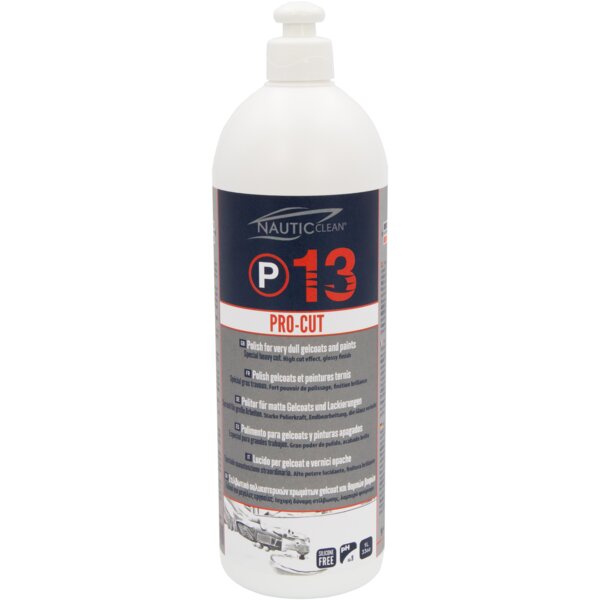
NAUTICCLEAN 13 POLISH PRO-CUT is a professional cutting compound based on new-generation abrasives with POLYGRAD micro-crystals. It is specifically developed for heavy-duty polishing of chalked, porous or severely weathered gelcoat finishes and very dull or aged paints. With high abrasive and polishing power, a silicone-free formula and a glossy finish, it is suitable for demanding professional and technical maintenance work.
Main features
- Professional cutting compound with POLYGRAD micro-crystal abrasives.
- Designed for roughing and restoring damaged, porous or heavily oxidised gelcoats and very dull paints.
- High cutting and polishing power (abrasivity and gloss indicated on product scale).
- Silicone-free formula.
- Glossy final finish.
- Can be applied manually or, for optimal results, with a polishing machine.
- Recommended to be followed by P12 PRO-MEDIUM and P11 PRO-ULTRA FINE for increased gloss and protection performance.
- Available pack sizes: 500 ml and 1 L.
Technical specifications
- Product type: Professional polishing compound (material de pulido).
- Technology: Abrasives with POLYGRAD micro-crystals.
- Physical state: Viscous.
- Colour: White.
- Odour: Aromatic.
- pH (20 °C): approximately 9.
- Density (20 °C): approximately 1.3.
- Dynamic viscosity (20 °C): approximately 30,000 mPas.
- Flash point: > 65 °C.
- Water solubility/miscibility: Partially miscible with water.
- Silicone content: Free from silicones.
- Surfactants: < 5% non-ionic surfactants.
- Preservatives: Contains methylisothiazolinone and benzisothiazolinone.
- Use categories: Preserving agent and polishing material.
- Article number: NCP13.
Applications and use cases
- Rough-cut polishing of detritioned and porous gelcoat finishes.
- Restoration of very dull, weathered or aged paint surfaces.
- Professional maintenance of nautical surfaces where high cutting power and glossy finish are required.
Directions for use
- Apply the product with a brush or directly with the polishing machine switched off.
- Work on clearly defined areas.
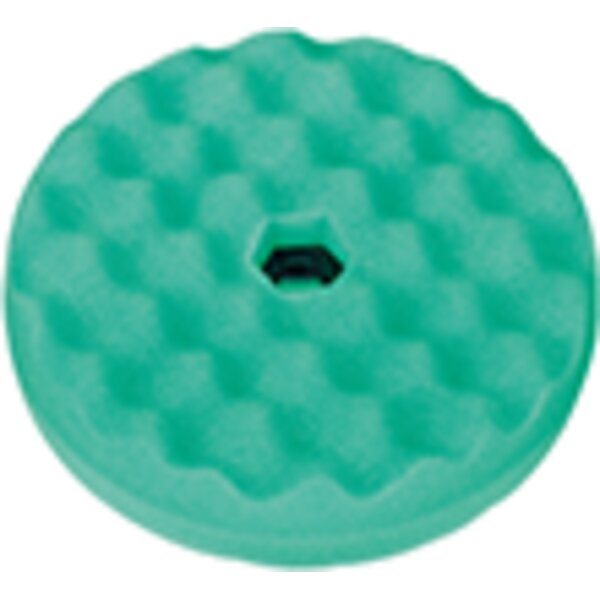
- Polish the surface with a polishing machine fitted with a hard foam pad until the desired result is achieved.
- Although it can be applied and finished by hand, the use of a machine polisher is recommended to obtain optimal results.
- For higher gloss and better protection performance, it is recommended to apply P12 PRO-MEDIUM followed by P11 PRO-ULTRA FINE after using PRO-CUT.
FAQ
1. What type of product is NAUTICCLEAN 13 POLISH PRO-CUT?
It is a professional polishing compound based on POLYGRAD micro-crystal abrasives, designed for heavy cutting and restoration of damaged gelcoats and very dull paints.
2. On which surfaces can it be used?
It is developed for roughing work on detritioned and porous gelcoat finishes and on very dull or aged paints.
3. Does it contain silicones?
No, the formula is silicone-free.
4. How should it be applied for best results?
Spread the product with a brush or with the polisher switched off, work in well-defined areas and polish with a machine equipped with a hard foam pad until the desired finish is reached.
5. Can it be used by hand?
Yes, it can be applied and finished manually, although the use of a polishing machine is recommended to obtain optimal results.
6. What finish does it leave on the surface?
Despite its high cutting power, it provides a glossy finish.
7. Which products are recommended after PRO-CUT?
The use of P12 PRO-MEDIUM followed by P11 PRO-ULTRA FINE is recommended to increase gloss and protection performance.
8. How should the product be stored?
Keep the container tightly closed in a ventilated place, protected from frost, heat, cold and direct UV radiation or light.
9. Is it classified as dangerous for transport?
No, it is not classified as dangerous for transport and has no assigned UN number or transport class.
Section 14: Transport information
- UN number (ADR, ADN, IMDG, IATA): not assigned (suppressed in the safety data sheet).
- UN proper shipping name (ADR, ADN, IMDG, IATA): not assigned.
- Transport hazard classes (ADR, ADN, IMDG, IATA): not classified; class suppressed.
- Packing group (ADR, IMDG, IATA): not assigned.
- Hazards for the environment: not applicable.
- Special precautions for user: not applicable.
- Bulk transport according to MARPOL Annex II and the IBC Code: not applicable.
Section 8: Personal protective measures
Exposure limits
- Glycerol: long-term occupational exposure limit 10 mg/m³.
General protection and hygiene measures
- Observe standard safety measures for handling chemical products.
Respiratory protection
- Not required under normal conditions of use.
Hand protection
- Use protective gloves made from material that is impermeable and resistant to the product.
- The selection of glove material must consider breakthrough time, permeability and degradation; consult and follow the glove manufacturer’s recommendations.
- Gloves should be checked before use, as resistance can vary between manufacturers and materials.
Eye protection
- Use safety goggles during product transfer.
Body protection
- Wear protective clothing.