What is the MIRKA 1230 L AFC 230V and why choose it
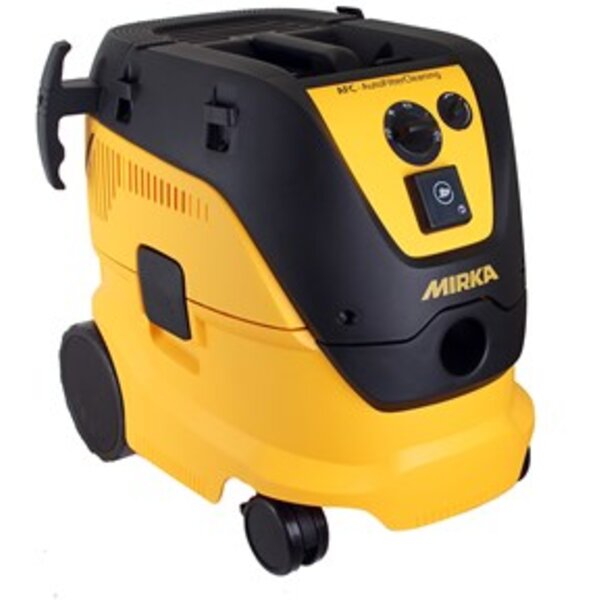
The MIRKA 1230 L AFC 230V is a professional wet and dry dust extractor from Mirka, designed for demanding sanding and cleaning applications in workshops, construction sites and industrial environments. It belongs to dust class L and is equipped with an Automatic Filter Cleaning (AFC) system, ensuring consistent suction performance and reduced maintenance downtime. Its 230 V power supply and robust design make it suitable for continuous professional use with Mirka electric and pneumatic tools, as well as general cleanup tasks.
Main features
- Automatic Filter Cleaning (AFC) that maintains optimal suction power by regularly cleaning the filter during operation.
- Dust class L, suitable for extracting low-hazard dusts in many woodworking, construction and renovation tasks.
- Wet and dry vacuuming capability, allowing the unit to handle both dry dust and non-flammable liquids (within the limits indicated in the official manual).
- 230 V input voltage, compatible with standard European power networks.
- High-performance motor (input power typically around 1200 W – value indicative, verify in the official datasheet) for strong suction and professional duty cycles.
- Automatic start/stop socket for power tools (feature commonly included in Mirka 1230 L AFC units; check the official datasheet to confirm on this specific variant).
- Compact and stable design with robust wheels and low center of gravity, suitable for workshop floors and construction sites.
- Designed to work with Mirka sanding systems (electric sanders, pneumatic sanders and polishing tools) to reduce airborne dust and improve surface finishing quality.
Technical specifications
Important: Some of the following values are typical for the MIRKA 1230 L AFC 230V model family but are not fully verified for this exact configuration. Always confirm against the official Mirka technical datasheet before critical use.
- Product type: Professional wet and dry dust extractor / vacuum.
- Model: MIRKA 1230 L AFC 230V.
- Brand: Mirka.
- Input voltage: 220–240 V, 50/60 Hz (not fully verified; check manufacturer data).
- Dust class: L (suitable for low-hazard dust).
- Filter cleaning system: Automatic Filter Cleaning (AFC).
- Operation mode: Wet and dry extraction (for non-flammable liquids and compatible materials as per manual).
- Intended use: Connection to power tools and general floor/area cleaning.
Applications and use cases
- Woodworking workshops: Dust extraction from sanders and other tools producing fine wood dust, helping to keep surfaces cleaner and improving working conditions.
- Automotive refinishing and body shops: Extraction of sanding dust from fillers, primers and paints when used with Mirka sanding systems, contributing to cleaner preparation and refinishing areas.
- Construction and renovation: Collection of general construction dust (within dust class L), plaster dust and similar materials during remodeling and finishing tasks.
- Surface preparation and finishing: Integrated into abrasive systems for wall, ceiling, floor and furniture preparation to minimise airborne dust and reduce clean-up times.
- General maintenance cleaning: Wet and dry cleaning of floors and work zones where a robust professional extractor is required (respecting the limitations and compatible liquids specified by the manufacturer).
FAQ – Frequently Asked Questions
-
Is the MIRKA 1230 L AFC 230V suitable for professional use?
Yes. The MIRKA 1230 L AFC 230V is designed as a professional dust extractor for workshops, industry and construction environments, with Automatic Filter Cleaning and dust class L performance. Always verify detailed limits and approvals in the official Mirka documentation.
-
Can it be used for both wet and dry vacuuming?
The model is generally specified as a wet and dry extractor, suitable for dry dust and certain non-flammable liquids. For safety, confirm permissible liquids, fill level and filter configuration in the official manual before use.
-
Does it include an automatic start/stop socket for power tools?
Mirka 1230 L AFC units typically feature an auto-start function that switches the extractor on and off with the connected electric tool. However, the exact configuration can vary by market, so this point should be verified in the official technical sheet.
-
What dust class does this extractor belong to?
The MIRKA 1230 L AFC 230V is classified as dust class L, which is intended for low-hazard dusts. If your application requires higher protection levels (for example dust class M or H), consult Mirka's alternative models.
-
Is the power input of 1200 W confirmed?
Mirka 1230 extractors are commonly referenced with a motor power around 1200 W, but this value may differ slightly between versions. Treat this as an indicative figure and confirm the exact wattage on the product label or in the official Mirka datasheet.
-
Can I connect Mirka electric and pneumatic sanders to this unit?
Yes. The MIRKA 1230 L AFC 230V is designed to work with Mirka sanding systems. For pneumatic tools, ensure your setup includes the proper air and extraction connections. For electric tools, use the compatible hose and, where available, the auto-start socket.
-
Is this dust extractor suitable for hazardous or explosive dusts?
No information is available here indicating suitability for explosive atmospheres or highly hazardous dusts. In the absence of explicit ATEX or higher dust class markings, it should be assumed that the unit is not intended for such environments.
-
Does the unit come with hoses and accessories?
Accessory configurations can differ by distributor and market. Some packages may include hoses or cleaning kits, while others may be supplied without a hose. Check the contents of the specific offer before purchase.
-
Is this description a substitute for the official Mirka documentation?
No. This description is a general, non-binding summary based on publicly available information and may not reflect all technical details or local variants. For exact specifications, operating limits and safety instructions, consult the official Mirka documentation for the MIRKA 1230 L AFC 230V.
Section 14 – Transport information
The following points are general, non-verified guidelines derived from typical characteristics of electric dust extractors and are not a replacement for official transport and safety information. For definitive instructions, the official Mirka safety and transport documentation must be consulted.
- Transport classification: The MIRKA 1230 L AFC 230V is an electric dust extractor and is normally not classified as a dangerous good for transport when shipped empty and clean, as it does not contain hazardous substances in its construction under standard conditions.
- Condition of the unit before transport: The dust container and internal components should be emptied and cleaned of dust and liquids before transport, especially if the unit has been used with materials that could be considered hazardous.
- Protection during transport: The unit should be secured to prevent tipping, shocks or movement. Use appropriate packaging or fastening systems in vehicles, and avoid placing heavy objects on top of the extractor.
- Transport of residues: If the extractor is transported containing collected dust or liquids, these residues may be subject to local regulations for the transport of waste or hazardous materials. Follow the applicable regulations and internal safety procedures.
- Storage conditions during transport: Avoid exposure to extreme temperatures, direct sun for prolonged periods, heavy rain or immersion. Protect electrical components, plugs and sockets from moisture and mechanical damage.
Section 8 – Individual protection measures
The information below is generic and not fully verified for this specific model. It is based on usual recommendations for working with dust extractors and power tools. Always adjust protective measures to the type and hazard level of the dust or liquids being collected, and follow your company's risk assessments and the official Mirka instructions.
- Respiratory protection: When working in dusty environments or with hazardous or nuisance dusts, use appropriate respiratory protection (for example, filtering masks with a protection level suitable for the dust type). The dust extractor helps reduce airborne dust but does not eliminate the need for personal respiratory protection where required.
- Eye and face protection: Use safety glasses or a face shield to protect against airborne particles, splashes or fragments released during sanding, grinding or cleaning operations.
- Hand protection: Wear work gloves suitable for handling equipment, hoses and collected materials, especially when dismantling or cleaning the container, filter or accessories.
- Skin and body protection: Depending on the task and type of dust, wear appropriate work clothing, protective overalls or aprons to avoid prolonged skin contact with dust or residues.
- Hearing protection: In noisy environments or when working near multiple machines, use certified hearing protection, especially if sound levels exceed local occupational limits.
- Foot protection: Safety footwear with slip-resistant sole is recommended to reduce the risk of slipping on dusty or wet floors and to protect against impacts from tools or materials.
- General safety measures: Ensure proper ventilation of the workplace, regular cleaning of floors and surfaces, and correct connection and maintenance of the dust extractor to minimise secondary exposure to collected dust.
*Contenido generado por IA