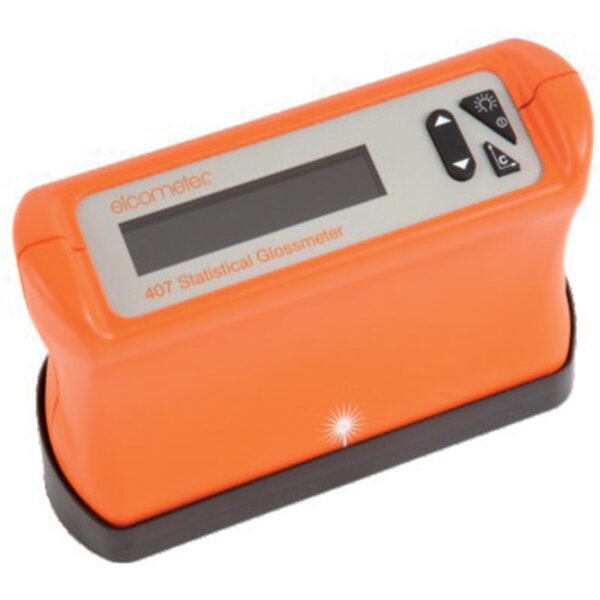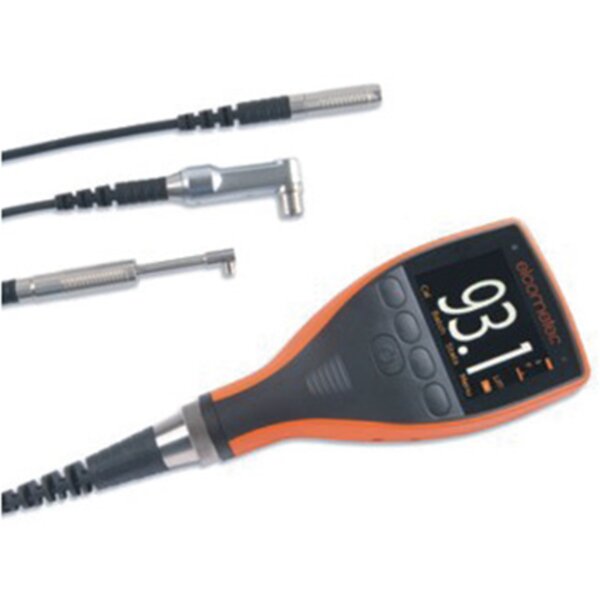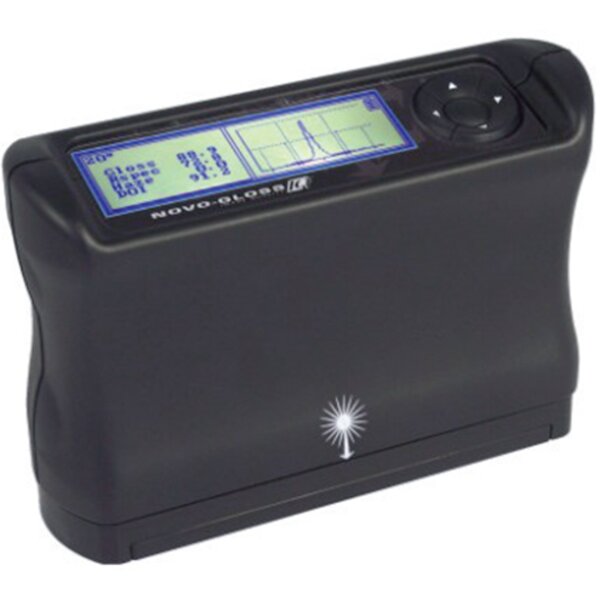
Elcometer DOI IMAGE SHARPNESS is an Elcometer product (exact type not verified) intended for assessing the sharpness or clarity of reflected images on a surface, likely as part of distinctness-of-image (DOI) appearance measurement (application not fully verified). Its main advantage appears to be providing a quantitative indication of image sharpness, but specific features and specifications are not verified and should be checked in the official Elcometer technical datasheet.
*Contenido generado por IA
| Presentation: | Unit |
| Presentation: | Unit |
The Elcometer DOI Image Sharpness function is a measurement capability integrated in Elcometer gloss and DOI meters (such as the Elcometer 408) that quantifies the Distinctness of Image (DOI), that is, how sharp and clear a reflected image appears on a coated or polished surface. Rather than relying only on gloss values, this function evaluates the sharpness of the reflection and makes it possible to distinguish between surfaces that may have similar gloss levels but very different visual quality due to texture, orange peel or waviness. This description is based on publicly available Elcometer documentation and may not cover all current models or firmware versions.
The following points describe, in general terms, how DOI image sharpness is handled in Elcometer gloss and DOI meters. Exact specifications (ranges, tolerances, angles, firmware features, standards) can vary by model and version and should be checked in the official Elcometer technical documentation for the specific instrument.
The DOI Image Sharpness function is designed for professional appearance control on coated and polished surfaces where the clarity of the reflected image is essential. Typical use cases include (list is indicative and not exhaustive):
DOI Image Sharpness is a measurement function associated with the Distinctness of Image parameter. It is typically integrated into Elcometer gloss and DOI meters (for example, the Elcometer 408 series). The exact availability of this function depends on the specific model and configuration, so it should be confirmed in the official instrument datasheet.
Gloss measures the amount of light reflected in a specular direction, but does not fully describe how sharp or clear the reflected image appears. Two surfaces can show similar gloss values yet look very different because of orange peel or texture. DOI Image Sharpness quantifies the clarity of the reflected image, making these visual differences measurable.
A higher DOI value indicates that the reflected image is sharper and less distorted. In practice, this corresponds to a smoother, more even coating surface with minimal orange peel or waviness, resulting in a higher perceived quality finish.
Publicly available information shows that gloss and DOI meters such as the Elcometer 408 family measure gloss, haze and distinctness of image. The precise list of current instruments, options and software features may change over time, so it is important to check the latest official Elcometer catalogue or datasheet for confirmation.
DOI and image sharpness for coating surfaces are usually related to international standards for distinctness-of-image and goniophotometric appearance measurement. However, the exact standards implemented and the measurement geometry depend on the particular Elcometer model. Always refer to the official technical documentation of the instrument to confirm standards compliance.
DOI provides an objective, repeatable numerical value that correlates well with visual perception of image clarity. In many quality systems it complements, rather than fully replaces, visual inspection: the meter is used to set limits and document quality, while visual checks verify appearance in the real application context.
DOI is mainly intended to describe the sharpness and clarity of reflected images, which is strongly influenced by surface texture and orange peel. Colour can still affect perceived quality, but DOI focuses on how clearly edges and details are reflected, not on chromatic properties. For complete appearance control, DOI is typically used alongside colour and gloss measurements.
In general, the surface should be clean, dry and representative of the coating in service. Any contamination such as dust, fingerprints or residues can affect DOI readings by artificially reducing image sharpness. For surfaces with strong curvature or very small parts, additional care may be needed to place the instrument correctly; specific guidance is given in the corresponding Elcometer user manual.
Low DOI values on a coating that still measures high gloss indicate that, although a large amount of light is reflected, the surface is textured enough to blur the reflected image. This usually points to issues such as orange peel, waviness, application defects or suboptimal curing conditions.
Because specifications can vary between instruments and may be updated over time, the most reliable source is always the official technical documentation and user manual provided by Elcometer for the specific gloss and DOI meter model you are using.
*Contenido generado por IA
| Ref. |
|---|
| K6015M001. |

Color: Gray
1 X $113.88